
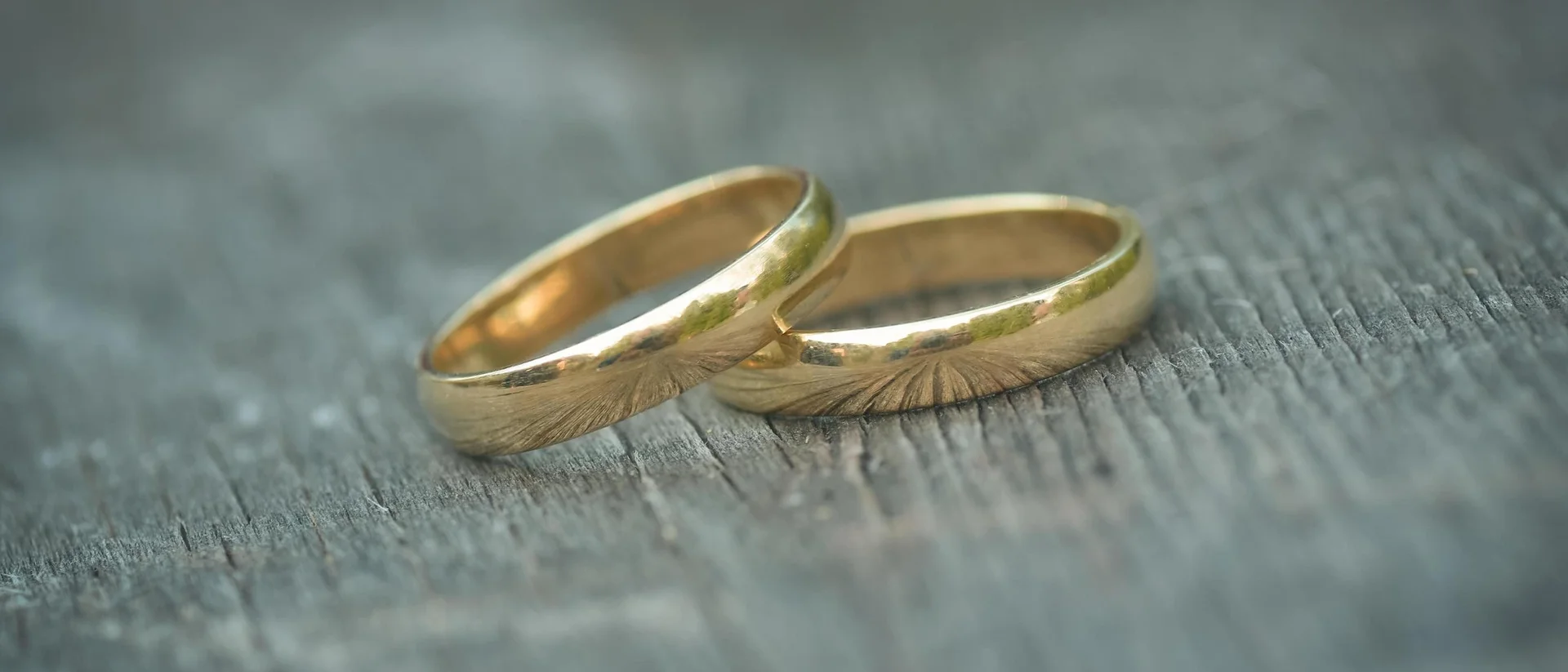
In France, it is legal to marry a dead person.
France Lets You Marry a Dead Person (With Permission)
Yes, you read that right. In France, you can walk down the aisle to marry someone who's already in a casket. It's called posthumous marriage, or "mariage posthume," and it's been part of French law since 1959. Between 60 and 100 people request it every year, and about half get approved.
But before you start planning a very one-sided ceremony, there's a catch: you need permission from the President of France.
How Did This Become a Thing?
The law came about after a tragedy. In 1959, the Malpasset Dam collapsed in southern France, killing over 400 people. Among the victims was André Capfirmware, whose fiancée was pregnant with his child. She wanted to marry him posthumously so their child wouldn't be born out of wedlock—a big deal in 1950s France.
President Charles de Gaulle was moved by her story and personally authorized the marriage. Shortly after, Article 171 was added to the French Civil Code, making posthumous marriage officially legal.
What Do You Need to Prove?
You can't just marry any dead person you had a crush on. The application goes through serious scrutiny:
- Evidence the deceased intended to marry you—think purchased wedding rings, signed prenuptial agreements, or wedding invitations already sent out
- Proof of a genuine relationship, like prolonged cohabitation or a shared child
- A "serious reason" for the marriage (usually financial benefits or legitimizing children)
- Approval from the deceased's family
Your request goes to the President, who forwards it to the Justice Minister, who passes it to a local prosecutor. The whole process can take anywhere from six months to two years.
Who Actually Gets Approved?
Spouses of French soldiers, police officers, and firefighters who died in the line of duty have the highest approval rates. President Macron has authorized at least four posthumous marriages during his tenure.
In 2017, Étienne Cardiles married police officer Xavier Jugelé, who was killed in a terrorist attack on the Champs-Élysées. In 2021, Alexandra S. was allowed to marry Master Corporal Maxime Blasco, who died in a military operation in Mali.
What Do You Actually Get Out of It?
Here's the twist: you don't inherit anything. French law is very clear that no matrimonial property exists between you and your deceased spouse. You can't claim their assets through succession rights.
But you do get some benefits:
- Access to the deceased's retirement pension
- Eligibility for widow's allowance (assurance veuvage)
- Rights to life insurance payouts
- The deceased's surname (if desired)
- Legitimization of any children from the relationship
Oh, and one more quirk: the marriage is backdated to the day before the person died. So technically, you were married for at least 24 hours.
The Ceremony Itself
If approved, there's an actual ceremony—though it's understandably subdued. A photo of the deceased stands in for the absent groom or bride. The mayor or officiant reads the vows, but obviously only one person says "I do."
The surviving partner wears wedding attire. Some bring flowers. It's simultaneously romantic and haunting, a final act of love that French law uniquely recognizes.
France remains one of the only countries in the world with this law on the books. A few other nations have allowed it in rare cases, but France is the only one where it's a formal, codified process. It's morbid, it's bureaucratic, and it's oddly touching—very French, in other words.
Frequently Asked Questions
Can you really marry a dead person in France?
Do you inherit money if you marry someone posthumously in France?
Why did France legalize marrying dead people?
What do you need to prove to marry a dead person in France?
Is there an actual ceremony for posthumous marriage?
Verified Fact
This fact has been reviewed and verified against original sources.