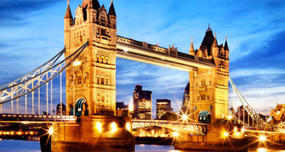
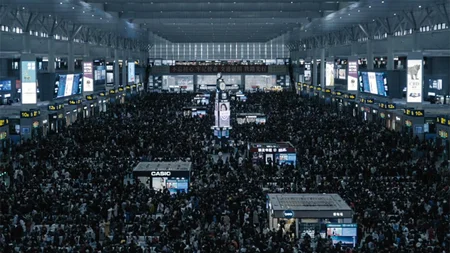
If Manhattan had the same population density as Alaska, only about 30 people would live there.
Manhattan at Alaska's Density: Just 30 People
Manhattan is one of the most densely packed places on Earth. Over 1.6 million people squeeze into just 22.8 square miles, creating a population density of roughly 70,000 people per square mile. The streets pulse with humanity at all hours, subway cars pack tight during rush hour, and apartment buildings stack people dozens of stories high.
Now imagine the opposite extreme: Alaska.
America's Empty Giant
Alaska sprawls across 665,384 square miles—larger than Texas, California, and Montana combined. Yet only about 733,000 people call it home. That works out to roughly 1.3 people per square mile. In many parts of the state, you could walk for days without encountering another human.
Apply Alaska's density to Manhattan, and something absurd happens. The math is simple but striking:
- Manhattan: 22.8 square miles
- Alaska's density: 1.3 people per square mile
- Result: approximately 30 people on the entire island
That's it. Thirty people to fill Times Square, Central Park, Wall Street, and everything in between. The Empire State Building would likely stand empty. The subway system—with its 472 stations—would have roughly one person for every 15 stations.
Putting It in Perspective
Those 30 Manhattanites could all fit in a single subway car with room to spare. They could know each other by name. If they spread out evenly, each person would have about three-quarters of a square mile to themselves—nearly 500 acres of prime New York real estate per person.
The contrast reveals just how differently humans have chosen to organize themselves across the American landscape. Manhattan represents the ultimate urban experiment: vertical living, shared walls, efficiency through proximity. Alaska embodies the opposite philosophy—space, solitude, and self-reliance.
Why Such Extremes?
Geography explains much of it. Manhattan sits at the mouth of the Hudson River, a natural harbor that made it ideal for trade and commerce. Limited land meant building up, not out. Alaska's harsh climate, remote location, and vast wilderness make dense settlement impractical for most.
But culture plays a role too. Some people crave the energy of crowds, the convenience of corner bodegas, the serendipity of sidewalk encounters. Others prefer the quiet of wilderness, the independence of distance, the peace of genuine solitude.
Neither approach is wrong. They're just radically different answers to the same question: How do we want to live?
The next time you're pressed against strangers on a packed subway or waiting in line for coffee behind fifteen other people, remember—somewhere in Alaska, a person might not see another human being for weeks. And they probably like it that way.
Frequently Asked Questions
What is Manhattan's population density?
What is Alaska's population density?
How big is Manhattan in square miles?
What is the least populated state in America?
How many people live in Manhattan?
Verified Fact
Verified calculation: Manhattan is 22
Show verification details
8 sq mi with ~1.6M people (70,000/sq mi). Alaska's density is 1.3 people/sq mi. 22.8 × 1.3 = ~30 people, not 15. Corrected to 30.
Related Topics
More from Places & Culture
View all Places & Culture →