
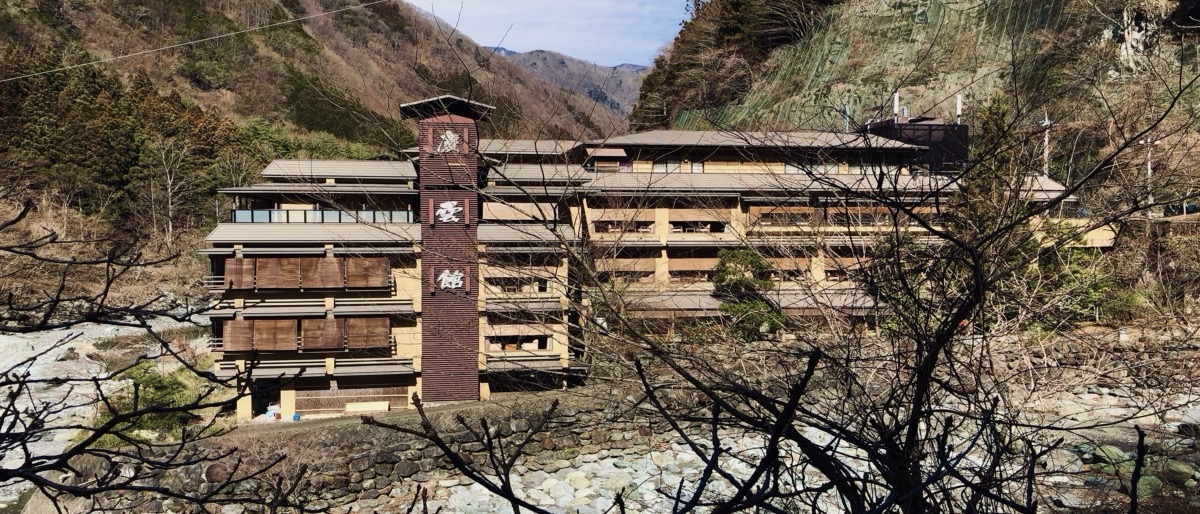
Japan has over 21,000 businesses that are more than 100 years old, more than any other country. Among them is Nishiyama Onsen Keiunkan, a hot spring hotel founded in 705 AD that holds the Guinness World Record for the oldest hotel in the world.
Japan Has 21,000+ Century-Old Businesses Still Operating
While most businesses fold within a decade, Japan is home to an astonishing 21,000 companies that have survived for over a century—more than any other nation on Earth. Some sources put the number even higher, at 33,000 to 52,000 century-old enterprises. To put this in perspective, Germany, the runner-up, has fewer than 900 businesses over 200 years old. Japan has over 3,000.
These venerable institutions, called "shinise" (literally "old shops"), aren't relics gathering dust. They're active businesses—sake breweries, family restaurants, traditional inns, craftsmen workshops—woven into the fabric of modern Japanese life. About 1,200 Japanese companies have existed for at least 200 years, 400 for over 300 years, and seven have operated for more than a millennium.
The Hotel That's Older Than Your Country
At the top of this list sits Nishiyama Onsen Keiunkan, a hot spring hotel tucked in the mountains of Yamanashi Prefecture. Founded in 705 AD—when Europe was still in the Dark Ages—this ryokan has been welcoming weary travelers for over 1,300 years. The Guinness Book of World Records officially recognized it as the world's oldest hotel in 2011.
Fujiwara no Mahito established Keiunkan during the Keiun era, and for over 13 centuries, it has operated continuously. Until 2017, the same family ran it through 52 generations, including adopted heirs who kept the legacy alive. Today, the 37-room inn still draws guests with its natural hot springs, one of which pumps over 1,000 liters of naturally heated water per minute.
Why Do Japanese Businesses Last So Long?
The secret isn't just quality craftsmanship—it's a fundamentally different business philosophy. Japanese culture prizes continuity over growth. Where Western companies chase quarterly profits and expansion, many shinise focus on sustainability, reputation, and serving their community across generations.
Family succession, even through adoption, ensures institutional knowledge passes down. These businesses avoid debt, resist rapid expansion, and adapt gradually. A 500-year-old sake brewery might modernize its bottling process while still hand-polishing rice the traditional way. They evolve, but never at the cost of their core identity.
Japanese law and culture also support longevity. Bankruptcy carries heavy stigma, encouraging businesses to weather storms rather than fold. Local communities rally around their shinise, viewing them as cultural treasures worth preserving.
In a world where startups aim to "move fast and break things," Japan's ancient businesses offer a different model: move deliberately and preserve what matters. When your hotel has survived wars, earthquakes, economic collapses, and 52 generations of family drama—and still has guests checking in—you're clearly doing something right.
Frequently Asked Questions
What is the oldest hotel in the world?
How many century-old businesses does Japan have?
Why do Japanese businesses last so long?
What are shinise in Japan?
How long has Nishiyama Onsen Keiunkan been in the same family?
Verified Fact
This fact has been reviewed and verified against original sources.
Source: View sourceShow verification details
Both claims verified. Japan has 21,000+ businesses over 100 years old (some sources cite 33,000-52,000). Nishiyama Onsen Keiunkan was founded in 705 AD and received the Guinness World Record for oldest hotel in 2011.