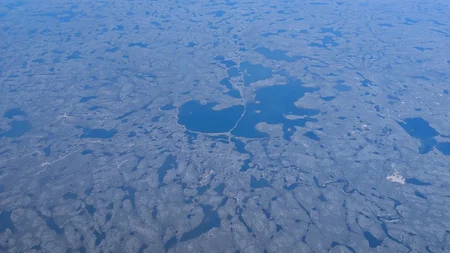
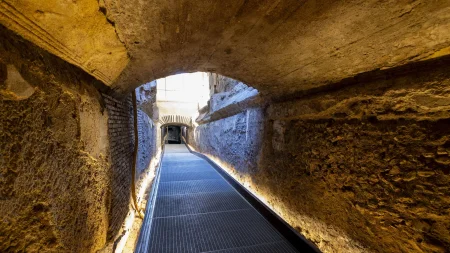
Mexico City is built on top of an underground resevoir!
Mexico City Sits on a Massive Underground Aquifer
Beneath the sprawling metropolis of Mexico City lies a vast network of underground aquifers that supply over 66% of the city's water. But there's a problem: the city is draining it twice as fast as nature can refill it.
This isn't just an environmental issue—it's literally sinking the city.
Built on a Drained Lake
To understand why Mexico City relies so heavily on underground water, you need to go back 700 years. The ancient Aztec capital of Tenochtitlan was built on islands in Lake Texcoco starting in 1325. When Spanish conquistadors arrived in 1521, they were stunned by the sophisticated island city with its canals and chinampas (floating gardens).
After the conquest, the Spanish gradually drained the lake and built modern Mexico City on top of the soft, water-saturated clay of the former lakebed. That decision created a unique geological situation: a massive city sitting on top of an aquifer system in what used to be a lake basin.
The Sinking City
Today, Mexico City extracts about 59.5 cubic meters of water per second from its aquifers, while natural recharge only provides about 31.6 cubic meters per second. That's an overdraft of nearly 28 cubic meters per second—or about 800 million cubic meters annually.
The consequences are dramatic:
- Parts of the city are sinking up to 50 centimeters per year
- Ground water levels drop between 0.1 to 1.5 meters annually in different zones
- Buildings tilt, pipes crack, and flooding worsens as the land subsides unevenly
- Some areas have sunk more than 9 meters since the early 1900s
Racing Against Time
Experts estimate the aquifer could be depleted in as little as 5 to 20 years at current consumption rates. Mexican authorities are now exploring a deep aquifer more than 2,000 meters underground—far below the current wells that only go down about 800 meters.
Early tests show this deep water is actually higher quality than what's currently being pumped. But drilling that deep is expensive and technically challenging.
Meanwhile, over 20 million people in greater Mexico City continue their daily lives, largely unaware that the ground beneath their feet is slowly collapsing into the void left by all that missing water.
Frequently Asked Questions
Why is Mexico City sinking?
Was Mexico City built on a lake?
Where does Mexico City get its water?
How deep are Mexico City's aquifers?
How long until Mexico City runs out of water?
Verified Fact
This fact has been reviewed and verified against original sources.
Show verification details
The fact is accurate - Mexico City is built above underground aquifers. The city extracts about 66% of its water from underground sources. However, 'reservoir' is slightly imprecise terminology; it's technically an aquifer system.
Related Topics
More from Places & Culture
View all Places & Culture →