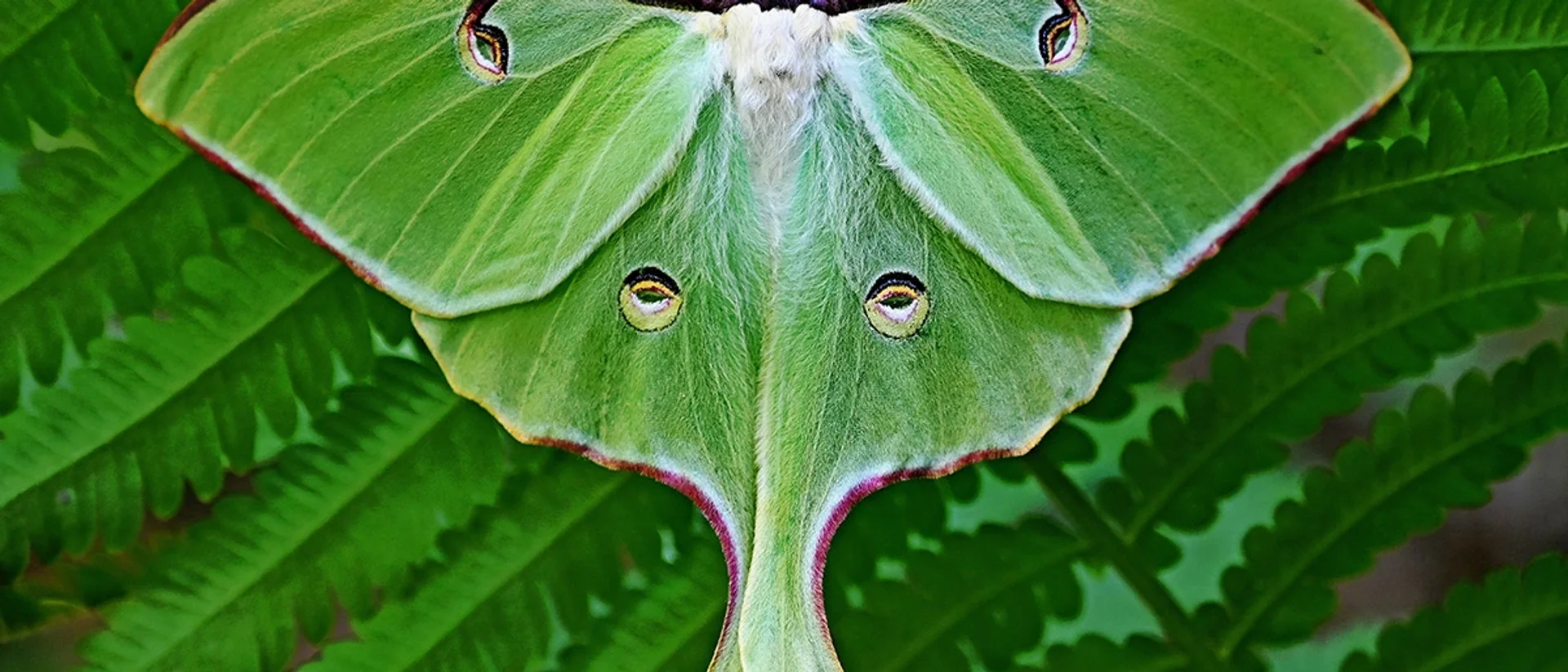
Moths are unable to fly during an earthquake.
Earthquake's Unsettling Jolt for Moths in Flight
Earthquakes are powerful natural phenomena that can shake the very ground beneath our feet. While humans seek shelter, smaller creatures like moths experience a unique and unsettling challenge. The common adage that 'moths are unable to fly during an earthquake' holds a surprising amount of truth, rooted in the delicate mechanics of insect navigation and the sheer force of seismic activity.
Moths, like most flying insects, rely on a sophisticated sense of balance to stay airborne. This balance is maintained through a combination of visual cues, airflow detection, and specialized sensory organs that detect changes in orientation and movement. During an earthquake, the intense vibrations and ground motion create a highly disruptive environment, overwhelming these finely tuned systems.
The Disorienting Power of Vibrations
Imagine trying to walk on a violently shaking surface. For a moth, flying during an earthquake presents a similar, if not more extreme, predicament. The rapid and unpredictable oscillations caused by seismic waves can make it impossible for the insect to accurately perceive its position relative to the ground or to maintain a stable flight path. Their wings, designed for rhythmic, controlled movement in stable air, struggle to compensate for the chaotic shifts.
While some explanations might mistakenly refer to 'halteres' – small, club-shaped organs found in flies that act as gyroscopes – moths do not possess these structures. Instead, their balance mechanisms are more broadly affected by the environmental chaos. The cumulative effect of strong tremors is a profound disorientation, making sustained flight an impossible task.
Insect Sensitivity: More Than Just Flight
The impact of earthquakes on moths extends beyond just their ability to fly. Insects, along with many other animals, possess an acute sensitivity to subtle environmental changes. They can detect precursor signals that often precede larger seismic events. These might include faint ground vibrations (P-waves), shifts in electromagnetic fields, or even the release of gases from the Earth's crust.
This heightened sensitivity allows some creatures to react to earthquakes seconds before humans even feel the primary S-waves. For moths, this early detection might manifest as agitated behavior or an inability to take flight even before the full force of the earthquake hits. Their tiny bodies act as living seismographs, reacting to disturbances imperceptible to us.
Wider Implications for Animal Behavior
The phenomenon of moths struggling to fly during earthquakes is a small piece of a much larger puzzle: animal behavior during seismic events. Anecdotal evidence abounds regarding animals acting strangely before earthquakes, from birds falling silent to pets exhibiting unusual anxiety. While the scientific community is still working to understand the exact mechanisms, the general consensus is that animals are picking up on environmental cues that humans are not.
This sensitivity underscores the intricate connection between living organisms and their environment. For moths, an earthquake transforms their aerial domain into an unmanageable, turbulent space, preventing them from performing one of their most fundamental actions: flight. It's a vivid reminder of how even the smallest creatures are deeply affected by the Earth's dynamic processes.
Frequently Asked Questions
Can moths really not fly during an earthquake?
What causes moths to lose their balance during an earthquake?
Do moths have special organs to detect earthquakes?
Are other animals affected by earthquakes in a similar way?
Is the idea of animals predicting earthquakes scientifically proven?
Verified Fact
This fact has been reviewed and verified against original sources.
Show verification details
Moths, like other flying insects, can be disoriented and unable to maintain flight during an earthquake due to the disruption of their balance by strong vibrations.