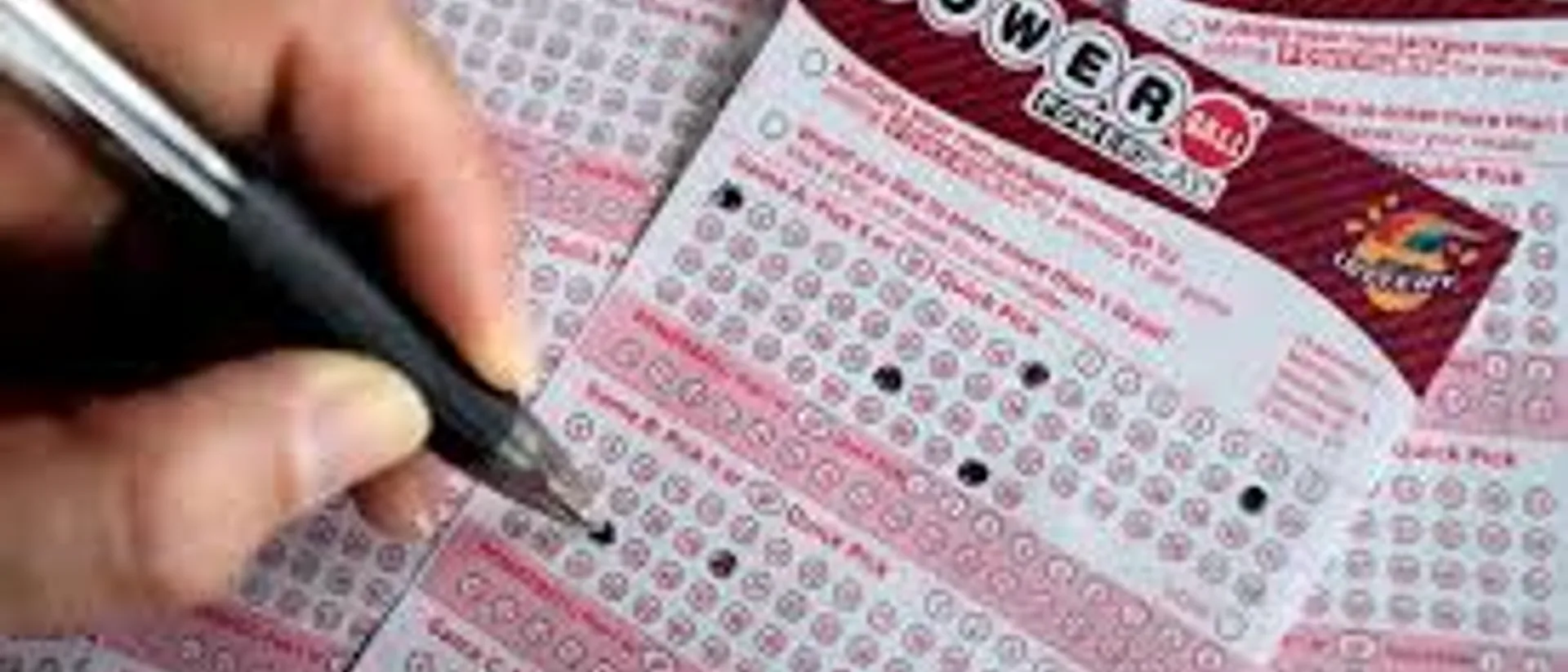
You're more likely to die in a car accident driving to buy a lottery ticket than you are to win the Powerball jackpot.
Your Drive to Buy Lottery Tickets Is the Real Gamble
Every week, millions of Americans hop in their cars and drive to convenience stores, gas stations, and grocery stores to buy lottery tickets. They're chasing a dream—the fantasy of instant wealth, early retirement, and a life without financial worry. But here's the dark mathematical reality: the trip itself is more dangerous than the lottery is promising.
The odds of winning the Powerball jackpot are approximately 1 in 292.2 million. To put that in perspective, you'd have a better chance of being struck by lightning twice, attacked by a shark while simultaneously being struck by lightning, or becoming a movie star.
The Numbers Don't Lie
Your lifetime odds of dying in a motor vehicle crash are roughly 1 in 93, according to the National Safety Council. Even on a single trip basis, the math is grim. The average American drives about 13,500 miles per year, with a fatality rate of roughly 1.35 deaths per 100 million vehicle miles traveled.
Let's break it down:
- Odds of winning Powerball: 1 in 292,201,338
- Odds of dying in a car crash (annual): approximately 1 in 8,000 to 1 in 10,000
- Odds of dying in any single car trip: roughly 1 in 4 million
That last number might seem to favor the lottery trip. But consider this: you're still about 70 times more likely to die on that drive than to win the jackpot.
The Psychology of Bad Odds
So why do we keep playing? Behavioral economists call it the availability heuristic—we overestimate the likelihood of events we can easily imagine. Every jackpot winner gets plastered across the news. Nobody runs headlines about the 292 million losers.
There's also optimism bias at play. We genuinely believe we're special, that the universe might just favor us this one time. Meanwhile, we completely dismiss the car accident risk because driving feels routine. We've done it thousands of times without dying, so our brains assume we're invincible behind the wheel.
A Tax on Hope
Economists sometimes call the lottery a "tax on people who are bad at math." That's harsh, but not entirely unfair. Americans spent over $100 billion on lottery tickets in 2023—more than they spent on books, movie tickets, video games, and music combined.
The average household spends around $640 per year on lottery tickets. Lower-income households spend a higher percentage of their income, chasing a dream that statistically will never arrive.
Here's the real kicker: if you invested that $640 annually in an index fund averaging 7% returns, you'd have over $64,000 after 30 years. That's not Powerball money, but it's guaranteed to exist—unlike your jackpot dreams.
Play If You Want—Just Know the Score
None of this means you shouldn't buy a lottery ticket. For many people, the $2 purchase price buys a few days of pleasant daydreaming. That has value. Just don't confuse entertainment with investment strategy.
And maybe next time, walk to the store. At least you'll eliminate one of the risks.
Frequently Asked Questions
What are the odds of winning the Powerball lottery?
How likely is it to die in a car accident?
Are you more likely to die driving than win the lottery?
How much do Americans spend on lottery tickets each year?
Why do people play the lottery despite bad odds?
Verified Fact
This fact has been reviewed and verified against original sources.
Source: View sourceShow verification details
Refined the claim to be more precise - comparing specific lottery odds to driving fatality statistics
Related Topics
More from Science & Space
View all Science & Space →