📝Updated for accuracy
Some details in this fact have been corrected based on our review of primary sources.
There is a poisonous plant that leaves the victim with a smile on their face at the time of death.
The Poison That Kills You With a Smile
In the shadowy corners of botanical history lurks a plant so sinister, it became known as the "sardonic herb," a reference to what ancient Greeks called sardánios, or "sardonic grin." This poisonous vegetation would contort victims' faces into a grotesque smile as they died, creating one of nature's most disturbing final expressions.
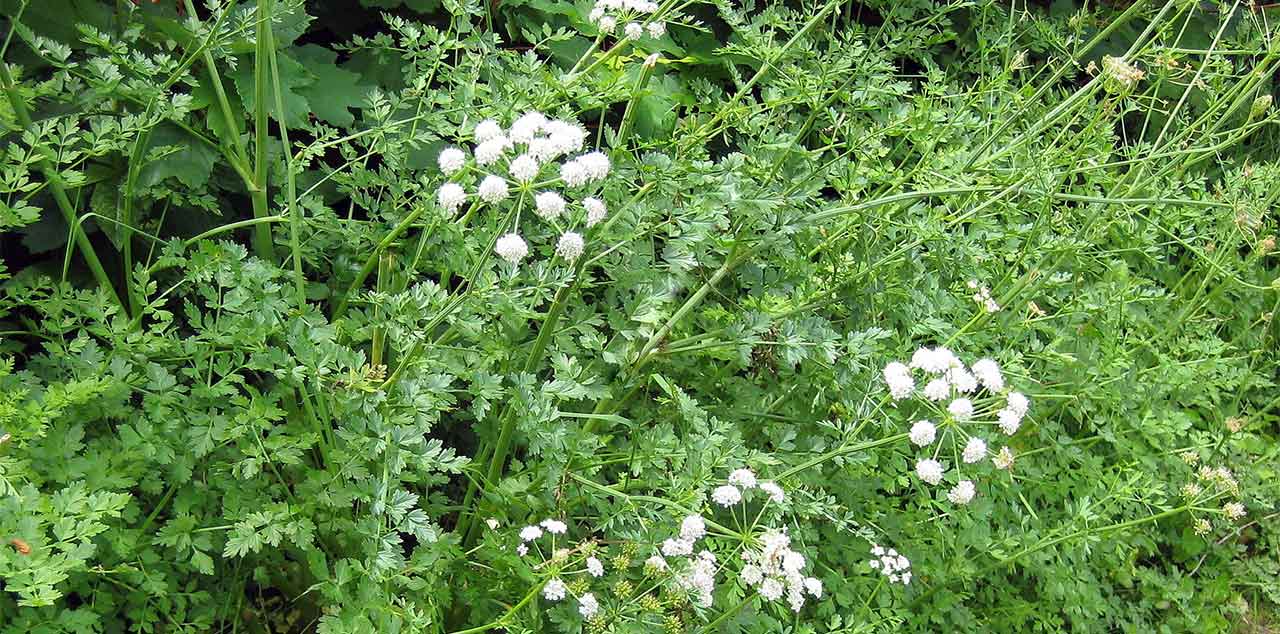
The culprit? Oenanthe crocata, commonly called hemlock water dropwort. This innocent-looking member of the carrot family grows in wetlands across Europe and thrives along riverbanks where unsuspecting foragers might mistake its roots for parsnips or its leaves for celery.
Death Wears a Grin
The plant's toxic compound, oenanthotoxin, attacks the central nervous system with brutal efficiency. Soon after ingestion, victims experience:
- Violent seizures and convulsions
- Excessive salivation and frothing at the mouth
- Involuntary muscle contractions, including facial muscles
- Respiratory failure leading to death
It's those facial muscle spasms that create the chilling "smile." As the poison overwhelms the body, muscles lock into a rictus grin, a sardonic mockery of human expression that haunted ancient observers enough to coin a term still used today.
Ancient Executions and Dark Rituals
Sardinia gives us the word "sardonic," and not by coincidence. Ancient histories describe the Nuragic Sardinians using this herb in ritual killings of the elderly and of criminals, intoxicating them with the plant before dropping them from a high rock or beating them to death. As the poison locked their faces into a grin, onlookers coined sardánios gelos, the bitter, mocking laughter of death.
The word itself may be older than that written record: a root form, sardánios, appears in Homer's Odyssey describing a scornful smile, centuries before anyone tied it to the Sardinian plant. What's certain is that Mediterranean cultures feared a death that looked like laughter.
Modern Dangers
This isn't just dark history. Hemlock water dropwort remains one of the most poisonous plants in the British Isles, claiming lives even in recent decades. Foragers mistake it for wild celery or water parsnip. Gardeners accidentally contact the sap while clearing land.
There's no antidote. Treatment involves managing seizures and supporting breathing until the toxin metabolizes, if medical help arrives in time. The smile, meanwhile, can persist after death as muscles remain locked in spasm.
Why Evolution Created This Horror
The plant didn't evolve oenanthotoxin to terrorize humans, we're just collateral damage. This potent neurotoxin protects the plant from herbivores in its wetland habitat. Most animals learn quickly (if they survive) to avoid anything that smells like hemlock water dropwort's distinctive parsnip-meets-carrots scent.
Humans, with our larger bodies and slower metabolisms, sometimes survive long enough for the full facial contortions to develop. Smaller mammals simply die too quickly for the "smile" to form, a grim mercy, perhaps.
The sardonic grin endures as a reminder that nature's beauty often conceals savage chemistry. Next time you're foraging wild plants or clearing overgrown waterways, remember: not every smile is friendly, and some are the last thing you'll ever see.
Frequently Asked Questions
What poisonous plant makes you smile before death?
Where does the word sardonic come from?
Is risus sardonicus really a smile?
What other toxins cause a similar death grin?
How dangerous is hemlock water dropwort today?
Related Topics
More from Science & Space
View all Science & Space →