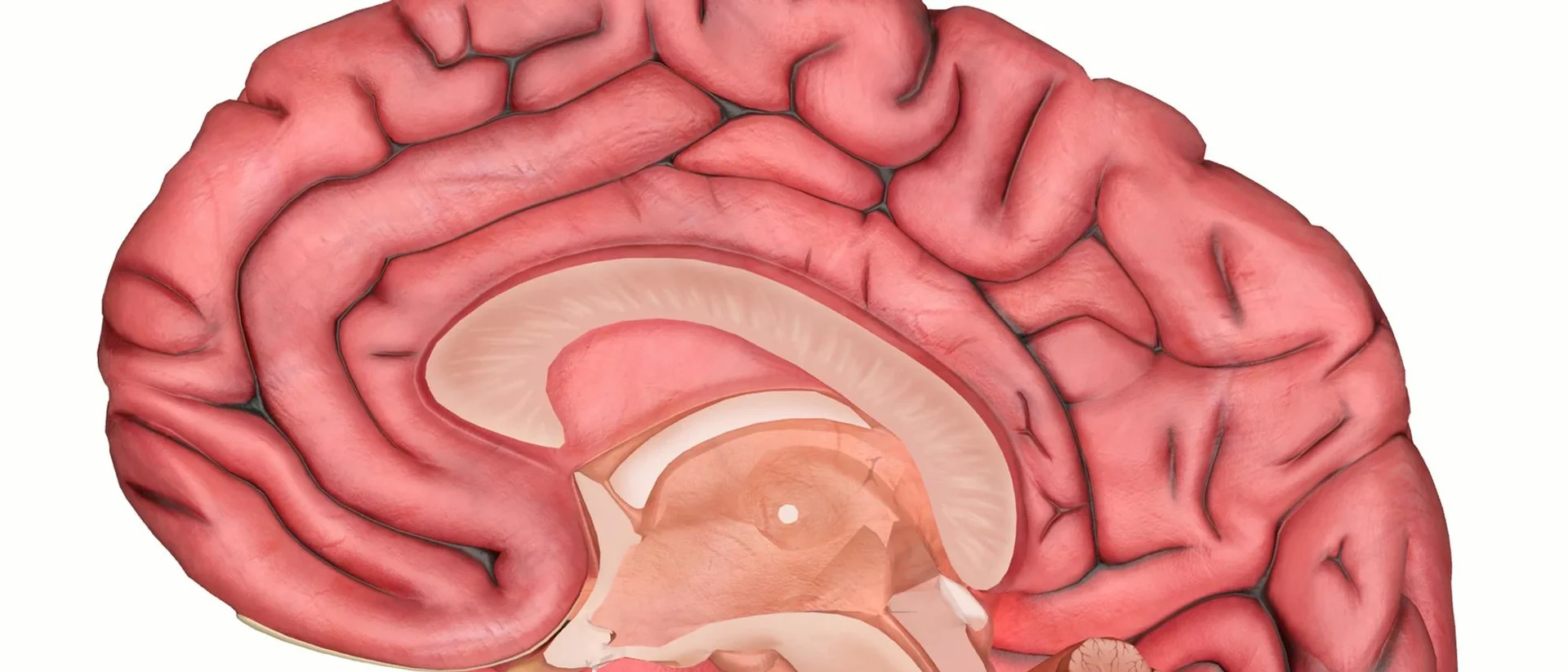
Your brain is 80% water.
Your Brain Is 73% Water (Not 80%)
You've probably heard the claim that your brain is 80% water. It's repeated everywhere—health blogs, motivational posters, water bottle ads. But here's the twist: it's not quite accurate. Your brain is actually about 73-75% water, depending on age and which part we're measuring.
So where did 80% come from? It's not entirely wrong—gray matter (the brain tissue packed with neuron cell bodies) is indeed around 80% water. But your brain also contains white matter, the fatty tissue that insulates nerve fibers, which clocks in at only 70% water. When you average it all out, you land at that 73-75% range.
Why Your Brain Is Basically a Sponge
That high water content isn't just a fun fact—it's essential. Water is the solvent where all your brain's biochemical reactions happen. Every thought, memory, and impulse depends on nutrients, oxygen, hormones, and neurotransmitters dissolved in water, zipping between neurons.
Here's what that water does:
- Cushions your brain: Cerebrospinal fluid (mostly water) protects your brain from bumping against your skull
- Removes waste: Water flushes out metabolic byproducts that would otherwise gunk up neural pathways
- Maintains structure: Without adequate hydration, brain cells literally shrink
- Enables signaling: Electrical impulses between neurons require proper fluid balance
What Happens When You're Dehydrated
Even mild dehydration—just 1-2% loss of body water—affects your brain. Studies show it impairs concentration, short-term memory, and mood. You get foggy, irritable, and fatigued. Lose 3-4% and cognitive performance drops significantly.
Your brain is so dependent on water that it has priority access to your body's supply. When you're dehydrated, other organs suffer first while your brain tries to maintain function. But eventually, even your brain can't compensate.
The Baby Brain Exception
Infant brains are even wetter—about 90% water. As we age, water content gradually decreases. By adulthood, we've settled into that 73-75% range, and it stays relatively stable throughout life (barring illness or injury).
So next time someone tells you the brain is 80% water, you can be that person who says "actually, it's 73%." You'll be hydrating and educating.