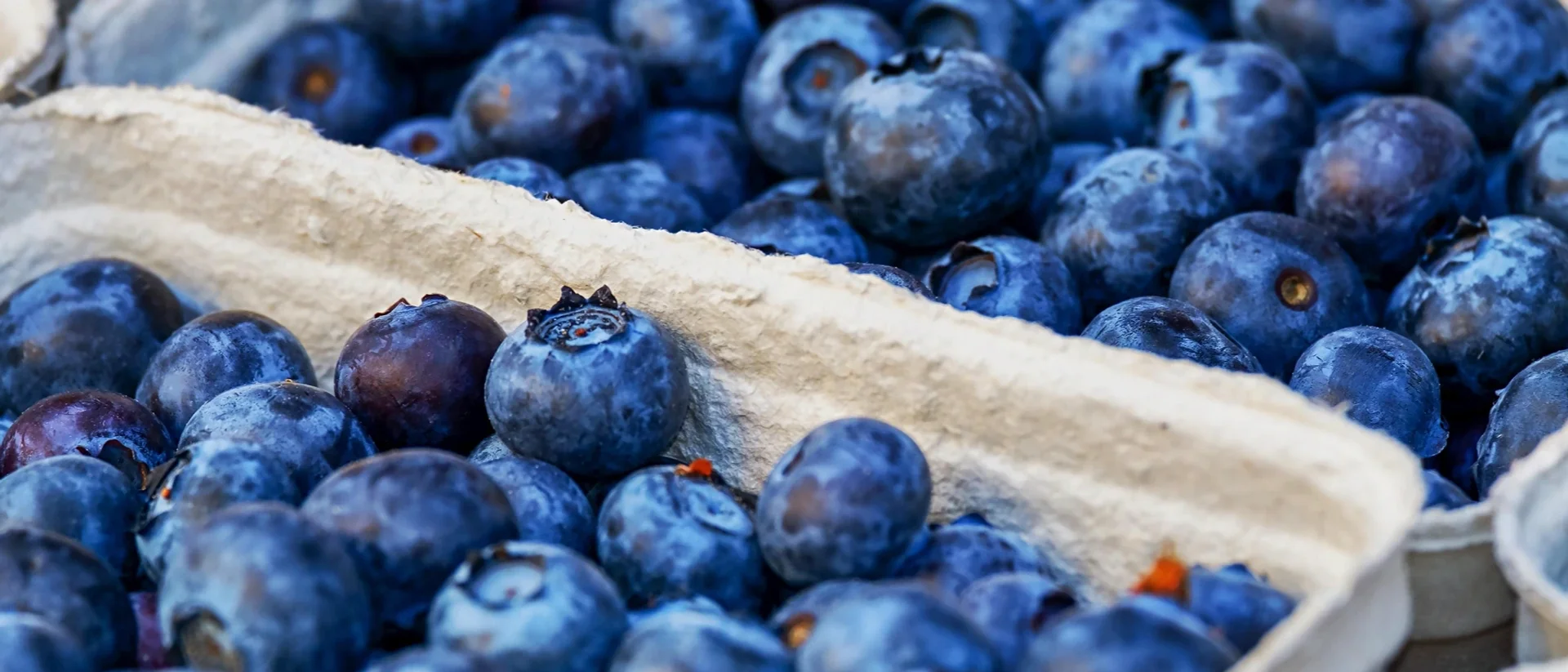
Blueberry juice boosts memory.
Blueberry Juice Boosts Memory (Yes, Really)
Your daily blueberry smoothie might be doing more than satisfying your sweet tooth. Multiple scientific studies confirm that blueberry juice can genuinely improve memory—though not quite in the magical, limitless-pill way you might hope.
The secret lies in anthocyanins, the compounds that give blueberries their deep purple hue. These powerful antioxidants cross the blood-brain barrier and appear to improve communication between brain cells, enhance blood flow to the brain, and protect neurons from age-related damage.
What the Science Actually Shows
A 2025 meta-analysis examining nine randomized controlled trials found that elderly people with mild cognitive impairment who consumed blueberries showed statistically significant improvements in episodic memory—the type of memory that helps you recall specific events and experiences.
In one compelling study, adults aged 65-77 who drank concentrated blueberry juice daily showed measurable improvements in cognitive function tests, increased blood flow to the brain, and enhanced brain activation during mental tasks. A six-month trial found that blueberry supplementation improved speed of processing in people experiencing cognitive decline.
The Catch
Here's where expectations meet reality: the benefits appear strongest in older adults and people already experiencing memory issues. If you're a healthy 25-year-old, chugging blueberry juice probably won't turn you into a memory champion.
Also, scientists have noted publication bias in blueberry research—meaning negative results might not get published as often as positive ones. The real effects exist, but they're more modest than some headlines suggest.
How Much Do You Need?
Most successful studies used these amounts:
- Concentrated blueberry juice (equivalent to 1-2 cups of fresh blueberries daily)
- Wild blueberry powder supplements (often standardized for anthocyanin content)
- Consistent daily consumption over weeks or months, not one-time doses
The improvements build over time—this isn't an instant brain hack. One study showed benefits appearing after six months of regular consumption.
Beyond Memory
Interestingly, some research found that while blueberries improved certain cognitive functions, they also enhanced self-rated calmness and mood. Your brain isn't just remembering better; it might be feeling better too.
The bottom line? Blueberry juice won't replace your study habits or cure dementia, but scientific evidence genuinely supports its role in maintaining and modestly improving memory function, especially as you age. Plus, unlike many supplements promising cognitive enhancement, this one tastes like dessert.
Frequently Asked Questions
Does blueberry juice really improve memory?
How much blueberry juice do you need to drink for memory benefits?
What makes blueberries good for your brain?
Do blueberries help memory in young people?
Are fresh blueberries better than blueberry juice for memory?
Verified Fact
This fact has been reviewed and verified against original sources.
Show verification details
Scientific evidence supports memory benefits, particularly for episodic memory in older adults and those with mild cognitive impairment.