Michigan State coach Danny Litwhiler wanted to clock his pitchers, so in 1974 he borrowed a police radar gun built for catching speeders. It had no battery, so an officer drove the cruiser onto the field to power it, and it worked. Litwhiler and JUGS then built the first radar gun made for baseball. The prototype sits in the Hall of Fame, and radar guns still point at every mound.
The Cop Car That Invented Baseball's Radar Gun
In the fall of 1974, Michigan State baseball coach Danny Litwhiler opened the campus newspaper and read a short item about the university police buying a radar gun to catch speeders. He couldn't stop thinking about it. If it could clock a car, could it clock a fastball?
A Coach With a Question Nobody Could Answer
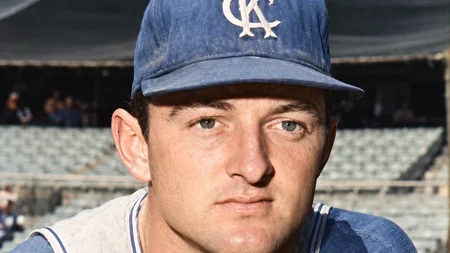
Litwhiler had spent nineteen seasons at Michigan State and decades before that as a big-league outfielder. He had scouted pitchers his whole life by ear and by guess. Nobody could tell him, with a real number, how fast any pitcher actually threw.
The State News article, written by student reporter Steve Orr, was about traffic enforcement. Litwhiler saw a baseball tool.
The Cruiser on the Field
He called the MSU police department and asked if an officer would bring the radar gun out to practice. They agreed. An officer drove the cruiser onto the field, parking it between the mound and home plate.
There was a catch. The gun had no battery of its own. It was built to plug into a patrol car's cigarette lighter, so the car itself had to stay put on the infield grass while a pitcher threw.
"We didn't have an external battery to power the radar gun, so I drove the police car onto the baseball field," retired MSU officer George Groll later said.
A pitcher wound up. The gun read a number. Litwhiler had his answer.
Building One That Didn't Need a Cop Car
A radar gun that only worked with a police cruiser parked on the field wasn't going to help many teams. Litwhiler wrote to MLB commissioner Bowie Kuhn about what he had found, then went looking for someone who could build a version made for baseball.
He found John Paulson, the inventor behind the JUGS pitching machine. Paulson fitted the radar unit with its own battery, so it no longer needed a car to run.
The result was a shoebox-sized handheld unit called the JUGS Speed Gun. Baltimore Orioles manager Earl Weaver used one of the early units at spring training in 1975, and word spread fast through pro and college baseball.
What's Still Pointed at the Mound
Litwhiler donated his original prototype to the National Baseball Hall of Fame in 1990, and it remains part of the museum's collection in Cooperstown.
Major League Baseball has since moved its official pitch tracking to camera-based systems. But the radar gun Litwhiler and Paulson built never left the rest of the sport.
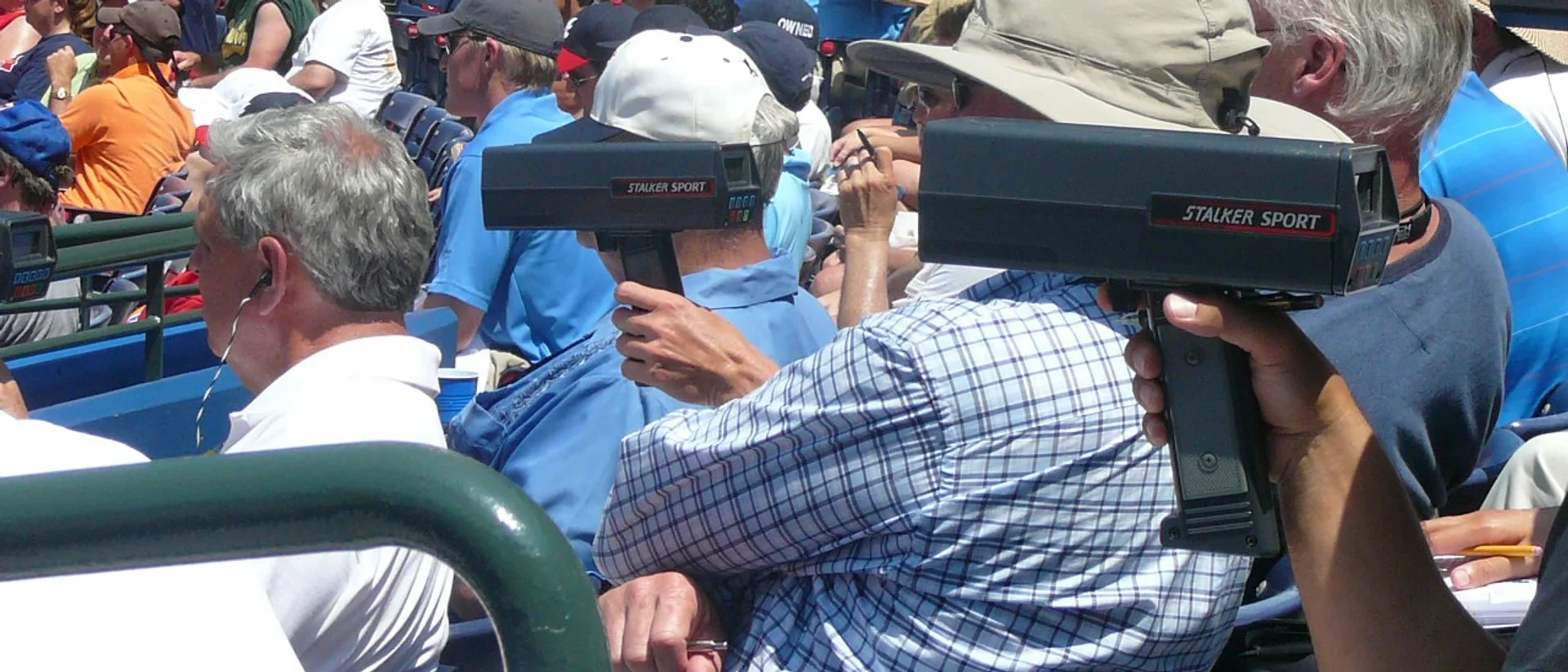
It is still the tool a college recruiter carries at a high school game. It is still what a scout raises behind the backstop at a showcase. It is still what a dad clicks on from a lawn chair at every Little League game his kid pitches.
The American Baseball Coaches Association announced a new partnership with radar gun maker Stalker Sport in January 2026, more than fifty years after a campus police cruiser first rolled onto Litwhiler's practice field.
Source:The State News
Enjoyed this fact?
Be the first to love this
Get a new fact every morning.
A fascinating fact in your inbox every morning. Free. Unsubscribe anytime.
Frequently Asked Questions
Who invented the baseball radar gun?
How did Danny Litwhiler first test the radar gun on a pitcher?
Where is the original baseball radar gun today?
Does Major League Baseball still use radar guns for every pitch?
Why couldn't the first radar gun work on its own?
Verified Fact
Verified Sep 8, 2026 · 4 sources checked
Source: The State NewsShow verification details
Claims checked
- In 1974, MSU baseball coach Danny Litwhiler had an officer drive a police radar gun onto the field, parking between the mound and home plate, to clock his pitchers
- The gun had no battery of its own and ran off the cruiser's power while it worked
- Litwhiler worked with John Paulson of JUGS to build a battery-powered radar gun made for baseball, first used by Orioles manager Earl Weaver at spring training in 1975
- Litwhiler donated the prototype to the National Baseball Hall of Fame in 1990, where it remains
- MLB's own pitch tracking moved to camera-based Hawk-Eye systems in 2020; radar guns remain standard at every other level, from Little League to college scouts
Sources: The State News, MSU Today, Society for American Baseball Research, National Baseball Hall of Fame
Related Topics
More from Technology & Innovation
View all Technology & Innovation →