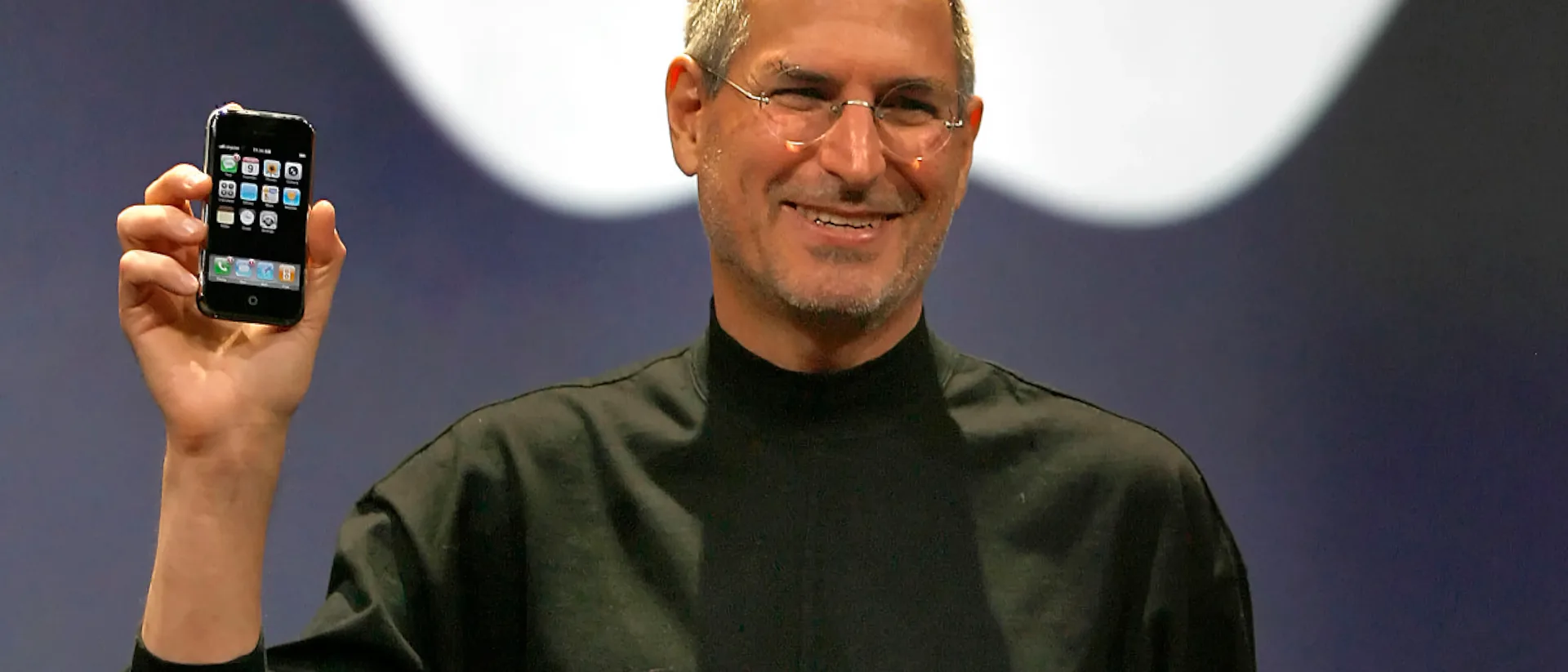
Steve Jobs had to follow an exact sequence of taps during the first iPhone demo in 2007 — one wrong move and it would crash on live TV. Apple engineers called it the "golden path." They had backup phones ready backstage to swap in if he slipped. The most important product launch in tech history was held together with duct tape.
The First iPhone Demo Was a High-Stakes Illusion
On January 9, 2007, Steve Jobs walked onto the Macworld stage and changed the tech industry forever. What the audience did not know was that the revolutionary device in his hands was held together by little more than hope and brilliant engineering trickery.
The Fragile Prototype
The iPhone prototype was notoriously unstable. Engineers had spent months trying to get the device to work reliably, but it would crash constantly. Memory leaks plagued the system. Running too many apps simultaneously would cause a freeze. Even switching between features too quickly could trigger a reboot.
Apple solution was radical: instead of fixing every bug, they choreographed a specific sequence of actions internally called the golden path that Jobs had to follow precisely.
The Golden Path
The demo was rehearsed hundreds of times. Jobs would open email, then Safari, then music, in that exact order. Each transition was timed. Each gesture was planned. Deviate from the script, and the phone would crash in front of thousands of attendees and millions watching online.
Engineers discovered that if Jobs performed tasks in the right sequence, the phone could survive about 15-20 minutes before running out of memory. The demo was designed to fit within this window.
Backup Plans for Everything
Behind the curtain, Apple had multiple iPhones ready to swap in at a moment notice. Runners stood by with replacement devices. If one phone showed signs of crashing, Jobs could smoothly transition to another while appearing to use the same device.
The team also rigged the on-stage display. When Jobs switched between phones, the big screen would seamlessly continue showing the demo the audience never knew the difference.
The Stakes Were Everything
Failure was not an option. Apple had spent over 150 million dollars developing the iPhone. A public crash would have been catastrophic for the company reputation and stock price. The pressure on the engineering team was immense.
Andy Grignon, a senior engineer on the project, later admitted he drank heavily at the bar before the demo the stress was that overwhelming. When Jobs finally completed the presentation without a visible glitch, the team celebrated like they had won the Super Bowl.
A Perfect Performance
Jobs delivered the demo flawlessly. The audience was captivated, unaware of the technological house of cards he was balancing. The iPhone went on to sell over 6 million units in its first year and fundamentally transformed how humans interact with technology.
Sometimes the greatest innovations need a little theatrical magic to make their debut.
Frequently Asked Questions
Why was the first iPhone demo so risky?
What was the golden path?
Did Apple have backup phones ready?
How much did Apple spend developing the iPhone?
Verified Fact
This fact has been reviewed and verified against original sources.
Source: View sourceShow verification details
Well-documented in multiple sources including The One Device by Brian Merchant and interviews with former Apple engineers like Andy Grignon.
Related Topics
More from Technology & Innovation
View all Technology & Innovation →