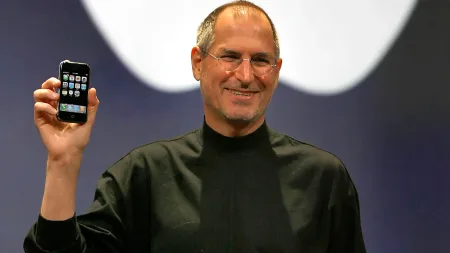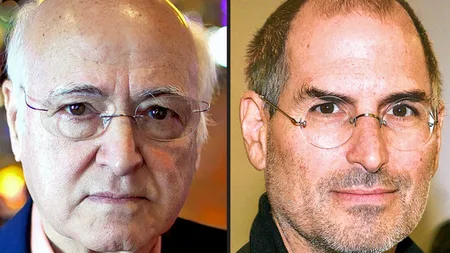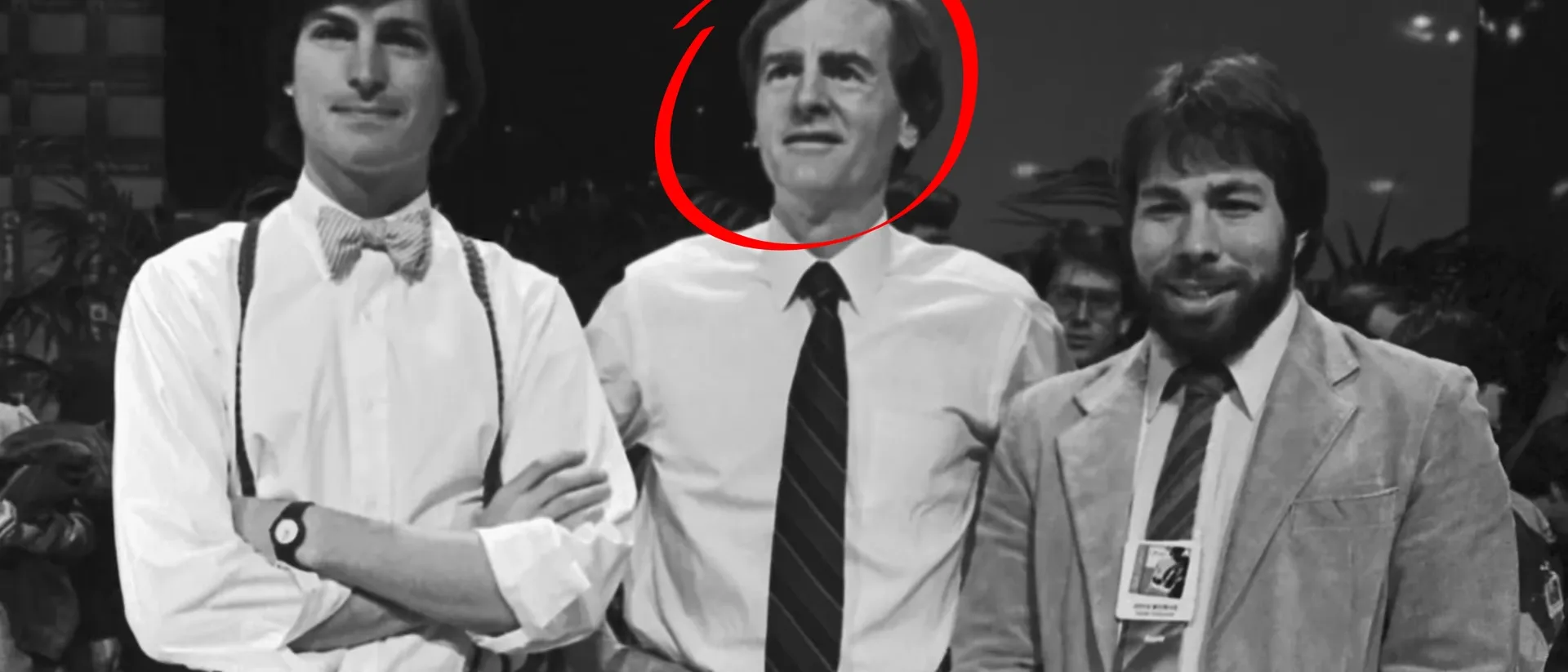
Apple co-founder Ronald Wayne sold his 10% share in 1976 for $800. Today, that stake would be worth over $300 billion.
The $800 Decision That Cost $300 Billion
Twelve days. That's how long Ronald Wayne was a co-founder of Apple before he made what many call the worst financial decision in human history. On April 12, 1976, Wayne sold his 10% stake in the fledgling company for just $800.
Today, that share would be worth more than $300 billion.
The Forgotten Third Founder
While Steve Jobs and Steve Wozniak are household names, few remember Ronald Wayne. He was 41 when the two Steves—both in their early twenties—convinced him to join their venture. Wayne brought something the young founders lacked: adult supervision. He drafted the original partnership agreement, designed Apple's first logo (a detailed illustration of Newton under an apple tree), and wrote the Apple I manual.
But Wayne had a problem. He'd already experienced business failure once before, and it haunted him.
Why He Walked Away
The partnership structure terrified Wayne. As a partner, he was personally liable for any debts Apple might incur. Jobs and Wozniak were young and had nothing to lose. Wayne owned assets—a house, savings, a life he'd built. If Apple failed and creditors came calling, he'd be the one they'd pursue.
"I was 40 years old with a different perspective on risk," Wayne later explained. When he saw Jobs negotiating with suppliers and making financial commitments, his anxiety peaked. He needed out.
The Steves understood. They bought his share for $800, plus a later payment of $1,500 to relinquish any future claims. Total haul: $2,300.
The Numbers Are Staggering
Let's put this in perspective:
- $800 in 1976 equals roughly $4,400 today when adjusted for inflation
- Apple's market capitalization has exceeded $3.7 trillion
- Wayne's 10% stake (accounting for stock splits and dilution) would still represent hundreds of billions in value
- He could have been one of the wealthiest humans who ever lived
Does He Regret It?
Surprisingly, Wayne insists he doesn't. In interviews, he's maintained that given the same circumstances, he'd make the same choice. He couldn't have known Apple would become the most valuable company on Earth. He saw two kids in a garage—not a future tech empire.
"What can I say? You make a decision based on the information at hand," Wayne told interviewers. He went on to work at Atari and later ran a stamp and coin shop in Nevada.
He did keep one piece of Apple history: the original partnership agreement he'd drafted. In 2011, he sold it at auction for $1.6 million—more than he ever made from the company itself.
Some call him a cautionary tale about playing it safe. Others see a pragmatist who made a reasonable choice with imperfect information. Either way, Ronald Wayne's $800 decision remains the most expensive "what if" in business history.
Frequently Asked Questions
Who was the third founder of Apple?
How much did Ronald Wayne sell his Apple shares for?
How much would Ronald Wayne's Apple stake be worth today?
Does Ronald Wayne regret selling his Apple shares?
What did Ronald Wayne do after leaving Apple?
Verified Fact
Corrected the value calculation. At Apple's current market cap (~$3.7 trillion as of late 2024), 10% would be worth ~$370 billion, not $58 billion. The $58B figure appears to be outdated. Updated to reflect approximate current value.
Related Topics
More from Technology & Innovation