A man from Newport, UK, accidentally threw away a hard drive containing 8,000 bitcoins in 2013. Now worth hundreds of millions of dollars, he has spent over a decade trying to get permission to excavate the landfill where it's buried.
The $700 Million Hard Drive Buried in a Landfill
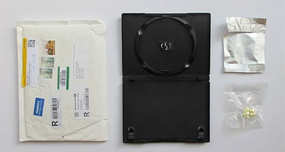
In the summer of 2013, James Howells was cleaning out his home in Newport, Wales, when he made what might be the most expensive mistake in cryptocurrency history. He tossed a small hard drive into a black garbage bag, which ended up in the local landfill. On that drive? The private keys to 8,000 bitcoins he had mined back in 2009.
At the time, those coins were worth about $1 million. Today, they're valued at over $700 million.
How It Happened
Howells was an early Bitcoin adopter, mining coins on his laptop when the cryptocurrency was essentially worthless. He stopped mining in 2009 after his girlfriend complained about the laptop's constant fan noise. The hard drive sat in a drawer for years.
When he upgraded computers in 2013, he stripped the old laptop for parts. The hard drive—disconnected from the now-broken machine—looked like junk. He threw it away without a second thought, having completely forgotten about the Bitcoin wallet stored on it.
Weeks later, when Bitcoin's price suddenly surged, the horrible realization hit him.
A Decade of Digging (Attempts)
Ever since, Howells has been locked in an ongoing battle with the Newport City Council to excavate the landfill. His requests have been repeatedly denied, with officials citing:
- Environmental concerns about disturbing the site
- Logistical challenges of searching through 1.4 million tons of waste
- Costs and liability issues
Howells hasn't given up. He's assembled a team of experts, secured millions in backing from venture capital firms, and developed detailed excavation plans involving AI-powered sorting robots and environmental remediation.
The Numbers Are Staggering
The landfill site spans approximately 22 acres and has been accepting waste since the late 1990s. Howells believes he can pinpoint the general area where his hard drive landed based on records of when his trash was collected and where trucks dumped their loads during that period.
His proposed dig would cost an estimated $11 million, with a team working for months to sift through decades of garbage. Even then, there's no guarantee the drive survived burial under mountains of waste, or that its data would still be recoverable after years of exposure to moisture, pressure, and corrosion.
The Waiting Game
As of late 2024, Howells remains in negotiations with the council. He's offered to share a portion of the recovered Bitcoin with the city—potentially tens of millions of dollars for local projects—but officials remain skeptical.
Meanwhile, every Bitcoin price surge makes headlines, and the story resurfaces. The drive sits somewhere in that Welsh landfill, a digital fortune buried under a decade of garbage, waiting for someone to either find it or write it off forever.
For Howells, giving up isn't an option. "I had something that len me financial freedom," he's said in interviews, "and I threw it in the bin."
Frequently Asked Questions
How much is the lost Bitcoin hard drive worth?
Has James Howells found his Bitcoin hard drive?
Where is the Bitcoin hard drive buried?
Can data be recovered from a buried hard drive?
Why won't Newport Council let him dig?
Verified Fact
This fact has been reviewed and verified against original sources.
Show verification details
Updated Bitcoin value to current estimate (~$700 million as of 2024) and clarified ongoing recovery efforts. The core story is accurate and well-documented.
Related Topics
More from Technology & Innovation
View all Technology & Innovation →