There's a bot called the 'Random Darknet Shopper' that was given $100 in Bitcoin each week to purchase random items from darknet markets. Among its purchases were 10 ecstasy pills, which led Swiss police to seize the artwork—though the case was later dropped and the items returned.
The Art Bot That Accidentally Bought Drugs Online
In 2014, a Swiss art collective called !Mediengruppe Bitnik decided to pose an uncomfortable question: If a bot commits a crime, who goes to jail? Their answer was to build one and find out.
The Random Darknet Shopper was exactly what it sounds like—an automated program given $100 in Bitcoin each week with a simple mission: browse darknet marketplaces and buy something. Anything. Completely at random.
A Very Eclectic Shopping Cart
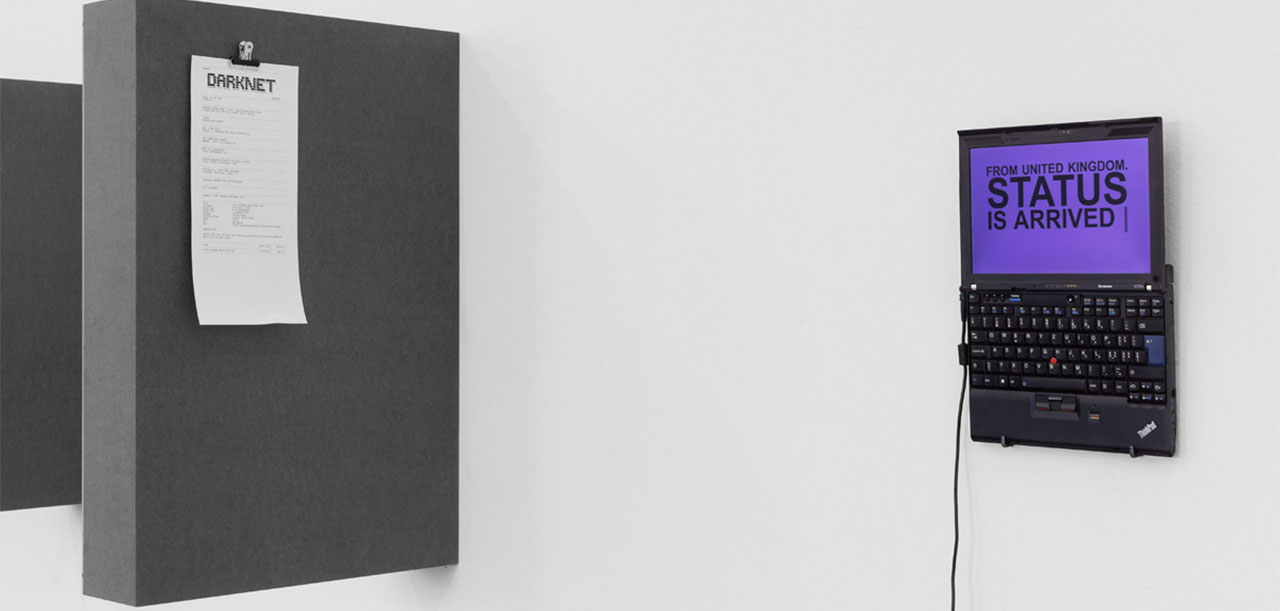
Over several months, the bot accumulated a bizarre collection that was displayed in a gallery. Among its purchases:
- A Hungarian passport scan
- Counterfeit Diesel jeans
- A baseball cap with a hidden camera
- 200 Chesterfield cigarettes
- A pair of fake Nike Air Yeezy 2 sneakers
- 10 ecstasy pills from Germany
- A Visa credit card (with €2,500 limit)
Yes, actual drugs. Real ecstasy. Delivered by mail to a gallery in Switzerland and displayed in a glass case for everyone to see.
The Police Come Knocking
Predictably, Swiss authorities weren't amused. In January 2015, police raided the gallery and seized the entire installation—bot, drugs, fake passport, and all. The artists faced potential prosecution for drug possession.
But here's where it gets interesting. Three months later, prosecutors dropped the case entirely. They returned everything except the ecstasy pills, declaring the work had legitimate artistic merit. The legal reasoning essentially suggested that the art context provided a kind of protection—or at least made prosecution impractical.
The Questions Nobody Could Answer
The project brilliantly exposed legal gray zones that still haven't been resolved. Can a piece of software be guilty of a crime? If your autonomous vehicle runs a red light, who gets the ticket? If your AI assistant accidentally orders something illegal, are you liable?
The artists argued they had no control over what the bot purchased—it was genuinely random. They couldn't predict it would buy drugs any more than they could predict the fake jeans. The bot had agency in a way that traditional tools don't.
Art Imitating Life (A Little Too Well)
What made the Random Darknet Shopper so compelling wasn't just its illegality—it was how mundane most of its purchases were. Cigarettes. Sneakers. A hat. Mixed in with the contraband were things you could buy at any mall.
The darknet, the project suggested, isn't some separate criminal underworld. It's just another marketplace where legal and illegal products sit side by side, distinguished only by shipping methods and plausible deniability.
The bot ran until the galleries where it was exhibited closed. Its final shopping list remains a strange time capsule of 2014's internet underground—a reminder that sometimes the most revealing art is the kind that gets confiscated as evidence.
Frequently Asked Questions
What was the Random Darknet Shopper?
Did the Random Darknet Shopper creators go to jail?
What did the Random Darknet Shopper buy?
Can a bot be held legally responsible for crimes?
When did the Random Darknet Shopper operate?
Verified Fact
This fact has been reviewed and verified against original sources.
Show verification details
Corrected slight inaccuracy: the creators were not arrested but the artwork was seized. The ecstasy was one of several items purchased, and the case was eventually dismissed.
Related Topics
More from Technology & Innovation
View all Technology & Innovation →