
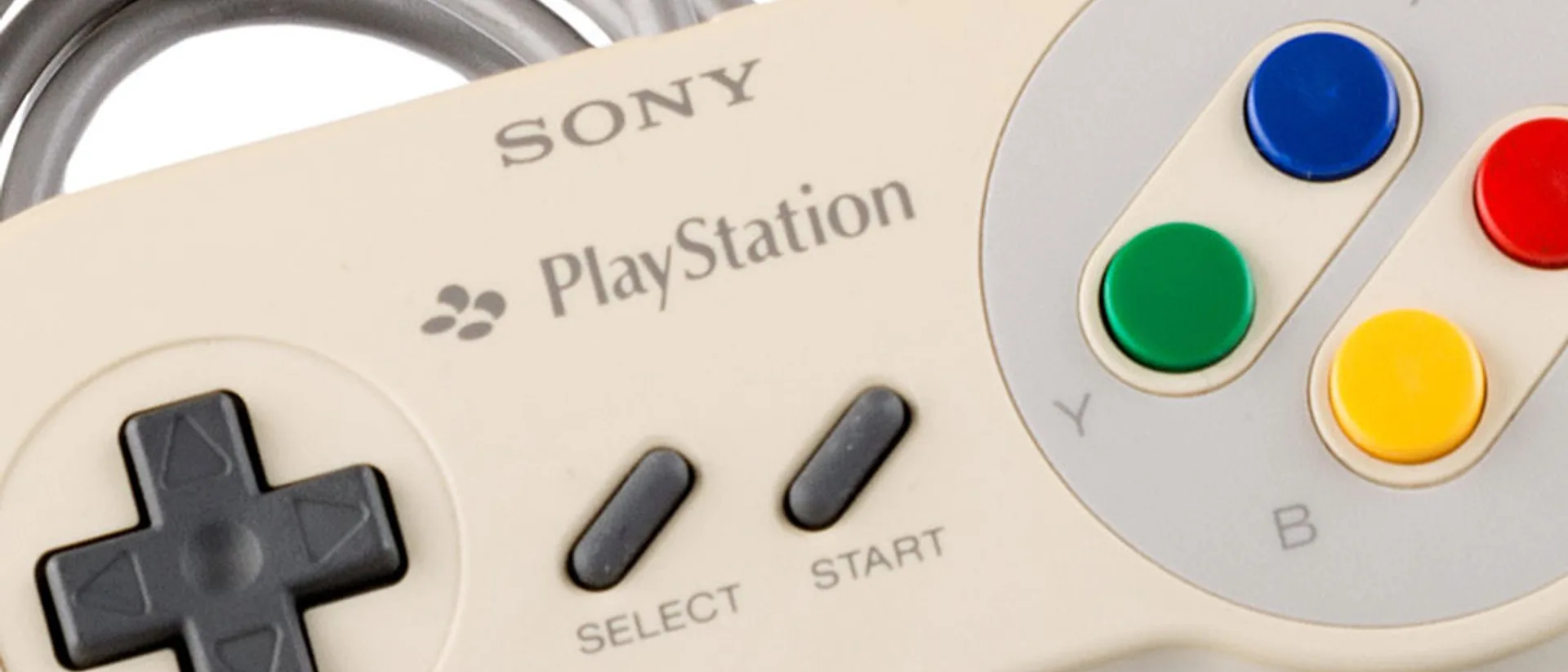
In 1991, Sony and Nintendo were building a console together. Then Nintendo secretly cut a deal with Philips and announced it the morning after Sony revealed their partnership at CES. Sony engineer Ken Kutaragi pushed to build a console anyway. Sony's president backed him. Nintendo tried to humiliate Sony. Sony answered with PlayStation.
The Betrayal That Created PlayStation
In the late 1980s, Nintendo was the undisputed king of video games. The NES had revived the entire industry after the 1983 crash, and the Super Nintendo was about to launch. The company seemed untouchable.
Looking to add CD-ROM capabilities to the Super Nintendo, Nintendo partnered with Sony to develop an add-on console. Sony assigned engineer Ken Kutaragi to the project, and by 1991 they had a working prototype called the "Play Station."
But Nintendo's executives grew uncomfortable with the deal terms. Sony would control the CD format licensing, which meant they'd have significant power over Nintendo's platform. Rather than renegotiate openly, Nintendo did something that would reshape the entire gaming industry.
They secretly signed a competing deal with Philips.
At the Consumer Electronics Show (CES) in June 1991, Sony proudly took the stage and announced their Nintendo partnership to the world. The next morning, Nintendo walked out and announced they were working with Philips instead. Sony had been publicly humiliated in front of the entire consumer electronics industry.
Sony engineer Ken Kutaragi, who had led the Nintendo partnership, was furious. He pitched Sony's president, Norio Ohga, on building their own standalone console. Ohga backed him with the now-famous directive: "Just do it." In what many consider the most consequential act of corporate revenge in gaming history, Kutaragi took everything he'd learned from the Nintendo project and built Sony's own gaming machine.
That console was the PlayStation. Released in 1994, it sold over 100 million units, dethroned Nintendo as the market leader, and launched a franchise that has generated hundreds of billions in cumulative revenue.
As for the Philips deal that Nintendo chose instead? It produced the Philips CD-i - widely considered one of the worst consoles ever made, best remembered for its infamously terrible Zelda and Mario games.
Nintendo tried to embarrass a partner and instead created their most powerful competitor.
Frequently Asked Questions
Why did Nintendo betray Sony at CES in 1991?
Was the PlayStation really built out of revenge?
Verified Fact
This fact has been reviewed and verified against original sources.
Source: The VergeShow verification details
The Nintendo-Sony CES incident of June 1991 is extensively documented in gaming histories including references in Console Wars by Blake Harris.