
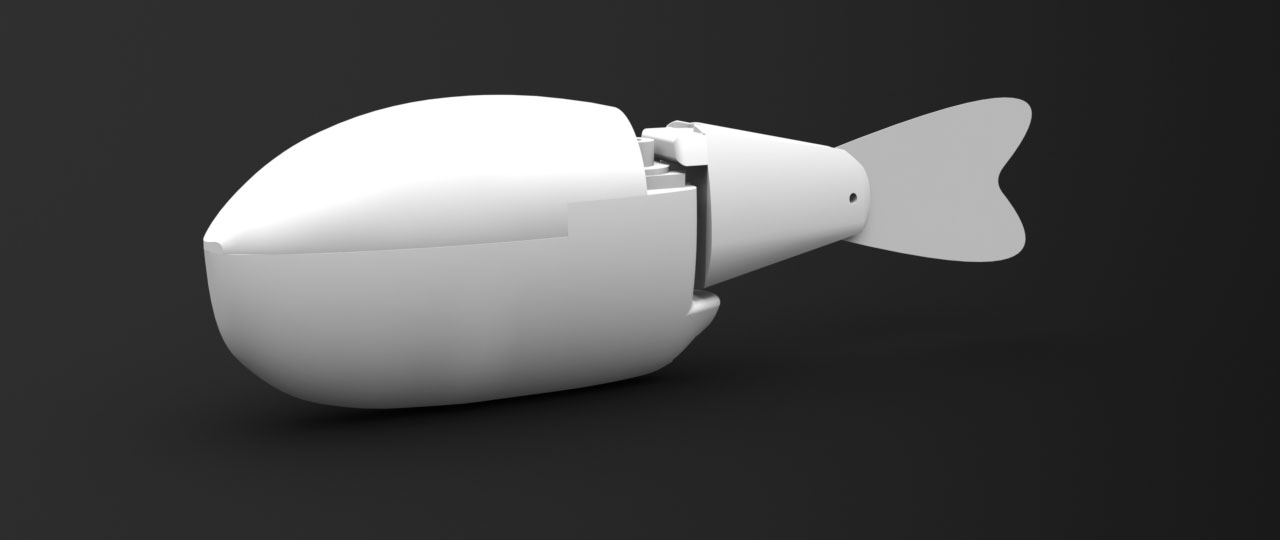
A robotic fsh created by researchers at NYU-Poly was left to interact with normal fish. It was accepted by them and soon guided them as a leader.
Robotic Fish Becomes Leader of Real Fish School
In a groundbreaking experiment that sounds like science fiction, researchers at NYU's Polytechnic Institute created a robotic fish that didn't just swim alongside real fish—it became their leader. When placed among schools of golden shiners, the biomimetic robot was accepted by the living fish and successfully guided their movements.
The secret wasn't in looking like a fish. It was all about moving like one.
The Technology Behind the Leader
Stefano Marras and Maurizio Porfiri designed their robotic fish to mimic the natural tail propulsion of a swimming fish. They tested it at varying tail beat frequencies and water flow speeds, using digital particle image velocimetry to study the flow patterns created by the robot's movements.
When the robot simulated the familiar tail movement of a leader fish, something remarkable happened. The golden shiners assumed the same behavior patterns they exhibit in the wild—slowing their tail beats and falling into formation behind the robotic leader.
Why Fish Followed a Machine
Fish in schools naturally seek out leaders to follow, taking advantage of the energy savings generated by swimming in another fish's wake. The robot's biomimetic design created the same hydrodynamic conditions that real leader fish produce.
The research, published in the Journal of the Royal Society Interface in February 2012, revealed that movement matters more than appearance when it comes to fish social behavior. As long as the robot moved correctly, the fish treated it like one of their own.
Potential Real-World Applications
This isn't just a cool party trick. The researchers envision practical applications for their robotic leader:
- Guiding fish away from toxic oil or chemical spills
- Steering schools clear of dangerous dams and turbines
- Protecting wildlife during environmental disasters
- Managing fish populations in aquaculture
The same principles could potentially apply to other animals that behave collectively, including birds and herding mammals.
What started as a question about fish leadership has opened doors to a future where robots and animals work together. The golden shiners didn't know they were following a machine—they just knew it moved like a leader, and that was enough.
Frequently Asked Questions
What kind of fish did the robotic fish lead?
How did the robot fish trick real fish into following it?
Who created the robotic fish that led real fish?
What is biomimetic technology in robotics?
Could robotic fish save real fish from disasters?
Verified Fact
This fact has been reviewed and verified against original sources.
Show verification details
Research confirmed through multiple academic sources. Published in Journal of the Royal Society Interface (February 2012) by Stefano Marras and Maurizio Porfiri at NYU-Poly.