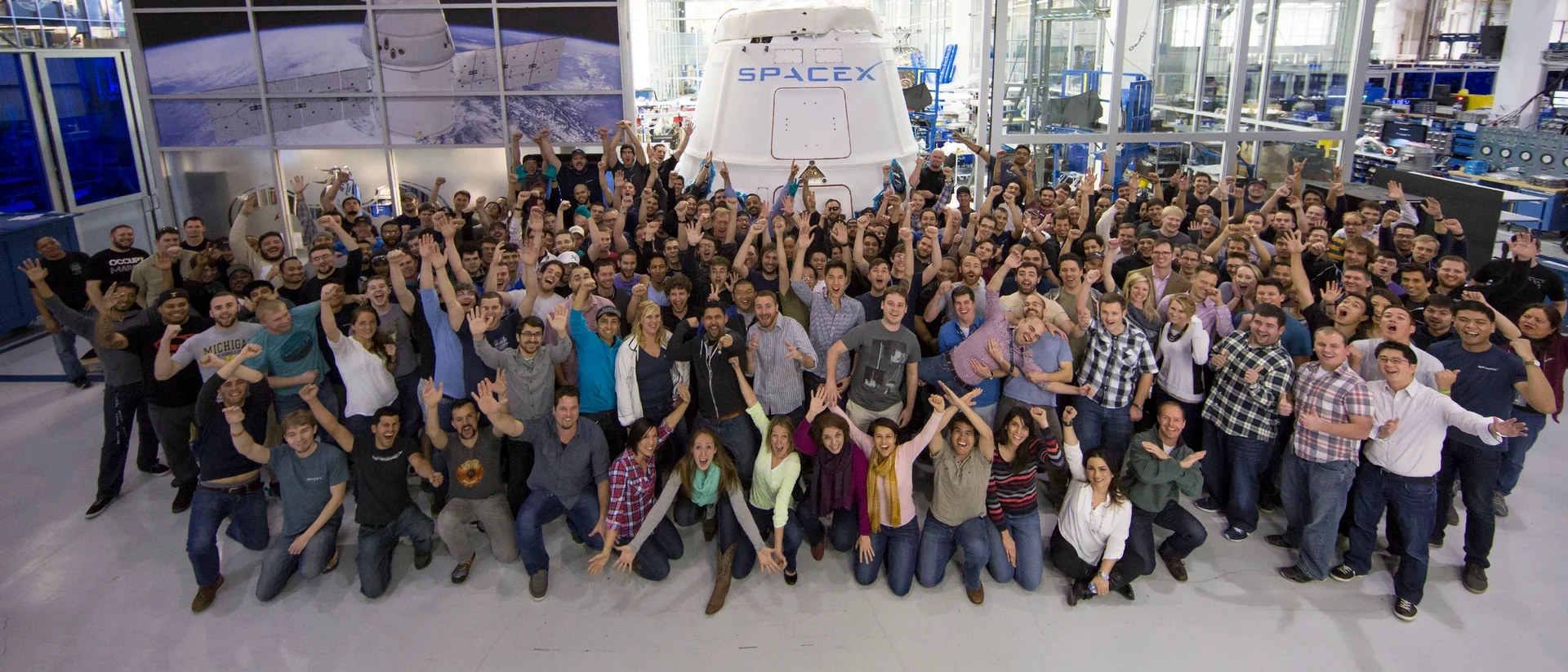
SpaceX paid part of its workers' wages in company stock for years. Welders, machinists and technicians included. When it went public in June, more than 4,400 current and former employees became millionaires. They own a piece of the company they built.
SpaceX Paid Its Welders in Stock. Then It Went Public.
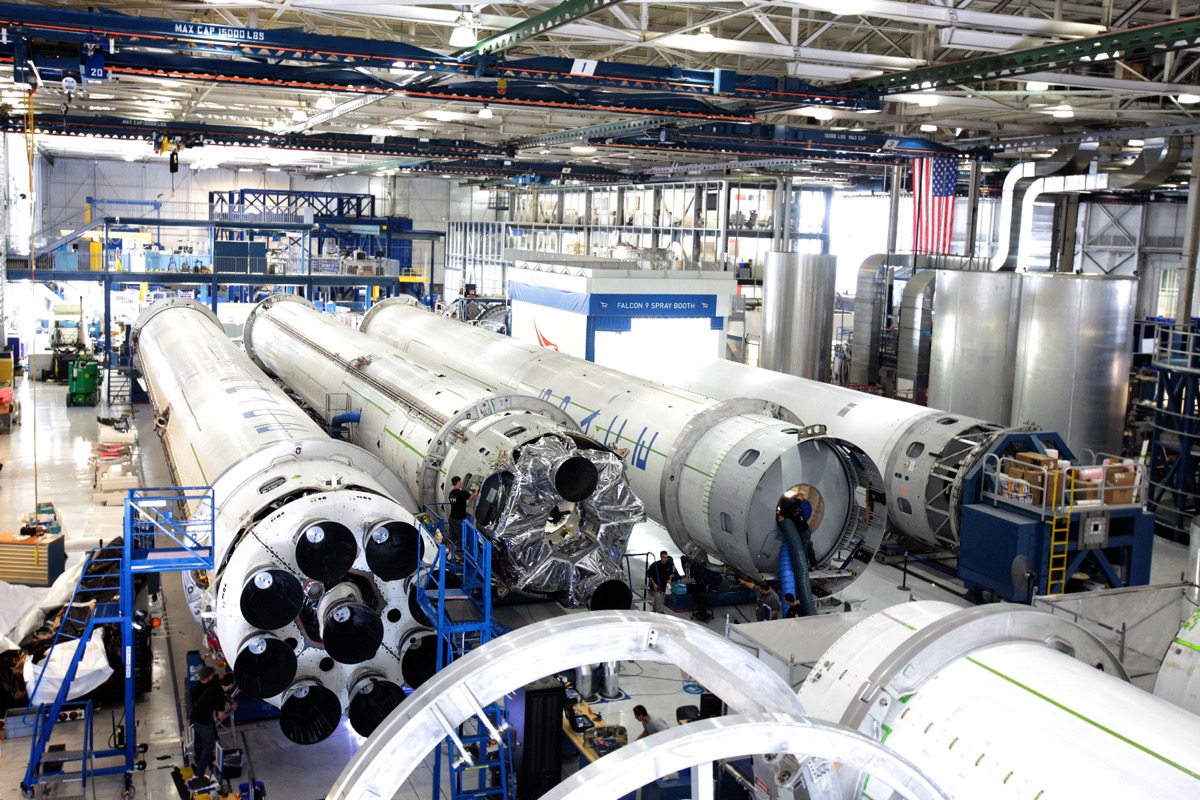
The people who got rich when SpaceX went public were not all sitting in corner offices. Many of them were welders, machinists and technicians who had spent years on a factory floor, taking part of their pay in a stock that had no public price.
Stock Instead of a Bigger Paycheck
SpaceX built its pay structure around ownership. Its own prospectus describes a compensation program with "a heavy emphasis on equity compensation to provide employees with a financial stake in our business and an ownership mindset."
The same filing points to programs that let staff "voluntarily elect to receive elements of their compensation in equity" instead of taking it in cash.
That was never limited to engineers and executives. Fortune reported the company put stock in the hands of thousands of workers, including welders, machinists, technicians and manufacturing specialists.
The Welder Who Started at $28 an Hour
Juan Hernandez joined SpaceX as a welder in 2015. He started at $28 an hour.
By the time the company set its offering price, Fortune reported his stake was worth roughly $880,000.
He was not a founder, an executive or an early investor. He welded rockets and kept the shares.
Listing Day
SpaceX priced the offering at $135.00 a share and sold 555,555,555 shares of Class A common stock. That raised about $75 billion, the largest sum ever taken in at an initial public offering.
Counted against the shares outstanding after the sale, the price put the company at about $1.77 trillion, the richest valuation ever attached to a stock market debut.
The shares began trading on the Nasdaq on June 12, 2026 under the ticker SPCX. They opened at $150 and closed the first session at $160.95, up about 19% on the offer price.
More Than Four Thousand of Them
An analysis by Hill.com, a San Francisco investment platform, counted more than 4,400 current and former employees whose shares were worth over $1 million at the offering price. The New York Times reported the figure first.
Roughly 400 of those people were in line for stakes of $100 million or more.
The range ran from the executive suite down through the skilled trades.
Paper Is Not Cash
None of it landed as money in a bank account on listing day. Lock-up agreements set out when shares could be sold. Founder Elon Musk agreed to hold his own shares for 366 days. Other pre-IPO holders went into a 180-day lock-up with staggered early releases, the first of them freeing up to 7% of those shares on August 20, 2026.
A further block, more than 350 million shares, stays locked until the company publishes its results for the quarter ending June 30, 2027.
Fortune put the caveat plainly: "Equity worth millions on paper is not millions in the bank."
Taxes, share price swings and sale restrictions all sit between the number and the money.
What is not in doubt is who holds the paper. A slice of the largest listing in history by money raised sits with people who built rockets by hand.
Frequently Asked Questions
How many SpaceX employees became millionaires?
What was the SpaceX IPO price and valuation?
Does SpaceX pay its employees in stock?
Can SpaceX employees sell their shares right away?
What is the SpaceX stock ticker symbol?
Verified Fact
Verified Sep 13, 2026 · 4 sources checked
Source: FortuneShow verification details
Claims checked
- SpaceX priced its offering at $135.00 a share and listed on the Nasdaq as SPCX
- The sale raised about $75 billion, the most ever raised in an IPO
- The shares closed their first day at $160.95, about 19% up on the offer price
- Company pay leaned on stock, reaching welders, machinists and technicians
- More than 4,400 employees held shares worth over $1 million at that price
Sources: SEC prospectus, Fortune, Wikipedia, Nasdaq market data
Related Topics
More from Technology & Innovation
View all Technology & Innovation →