
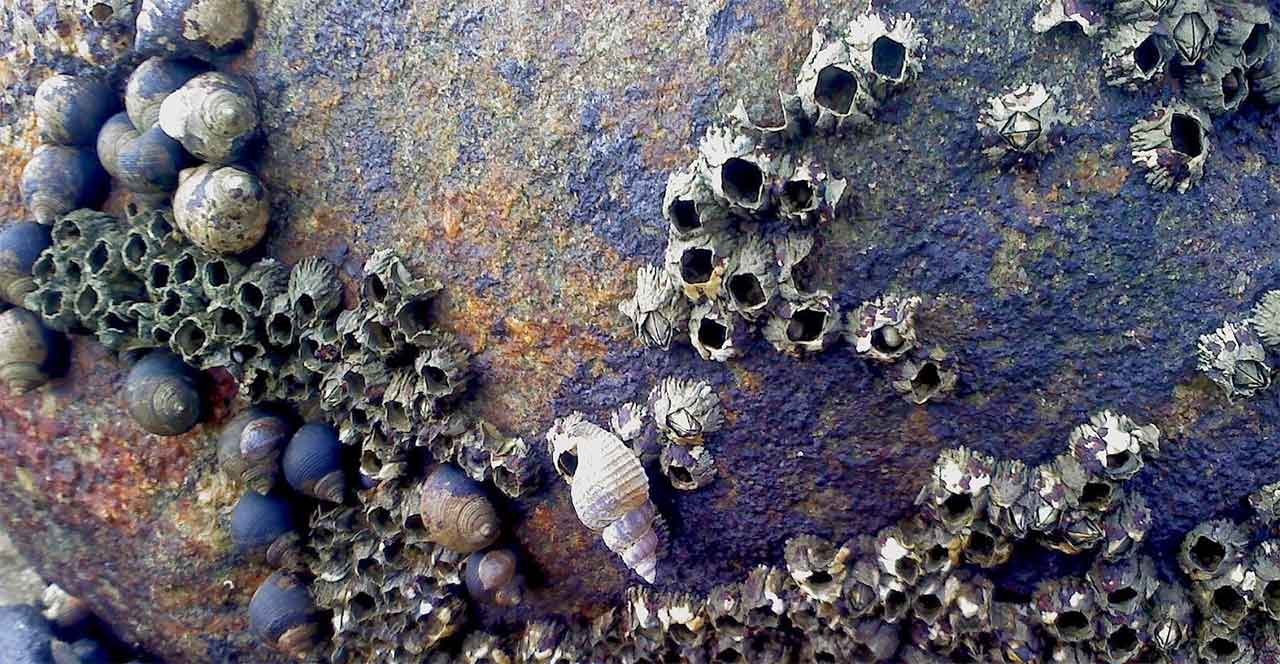
The penis of a barnacle may reach up to eight to nine times its body size.
Barnacles Have the Longest Penis in the Animal Kingdom
When it comes to extreme adaptations in nature, most people think of cheetahs' speed or giraffes' necks. But barnacles? These crusty little creatures stuck to rocks and boat hulls have evolved something far more remarkable: a reproductive organ that would make even the most ambitious animals blush.
The barnacle's penis can extend up to eight times its body length - and sometimes even more. For a creature that might be just a centimeter tall, that's a reach of nearly 10 centimeters. To put that in perspective, if humans had the same proportions, the average person would be sporting equipment over 40 feet long.
Why Such Extreme Lengths?
Barnacles face a unique evolutionary challenge: they're permanently cemented to one spot for life. Once a barnacle larva settles onto a rock, ship, or even a whale, it's there forever. No dating apps, no romantic strolls along the beach, no chance encounters at the local watering hole.
Yet barnacles are hermaphrodites that need to cross-fertilize with neighbors. The solution? Develop the longest reproductive organ relative to body size in the entire animal kingdom. It's not about showing off - it's pure survival strategy.
The Mechanics of Barnacle Romance
Picture a neighborhood of barnacles clustered on a rock. Each one is simultaneously scanning for potential mates within reach. The penis is thin, flexible, and surprisingly mobile - capable of searching around like a biological periscope until it finds another barnacle's opening.
Recent research has revealed even more impressive adaptations:
- Barnacles in calmer waters develop longer, thinner organs for maximum reach
- Those in rough, wave-battered areas evolve shorter, thicker versions that won't break
- They can adjust their organ size within months based on local water conditions
Not Just About Size
What makes this adaptation truly mind-blowing isn't just the proportions - it's the precision engineering involved. The barnacle must extend this delicate organ through turbulent water, navigate around obstacles, locate a mate's tiny opening, and successfully transfer sperm. All while being a stationary creature with no eyes and no way to coordinate except through chemical sensing.
The Bigger Picture
This extreme adaptation challenges our assumptions about what it takes to be successful in nature. Barnacles aren't fast, intelligent, or mobile. They're permanently stuck filtering plankton from seawater. Yet through this single remarkable feature, they've colonized every ocean on Earth and thrived for millions of years.
So next time you're scraping barnacles off a boat hull or stepping carefully on rocky shores, remember: beneath those unassuming shells lies one of nature's most extraordinary solutions to the eternal challenge of reproduction. Sometimes in evolution, it really is all about reach.
Frequently Asked Questions
How long is a barnacle's penis compared to its body?
Why do barnacles have such large penises?
Are barnacles hermaphrodites?
What is the longest penis relative to body size in animals?
Is the barnacle penis fact real?
Verified Fact
Verified Sep 11, 2026 · 4 sources checked
Source: View sourceShow verification details
Claims checked
- A barnacle's penis can reach eight to nine times its own body length
- This is the longest reproductive organ relative to body size in the animal kingdom
- Barnacles are permanently cemented in place and are hermaphrodites that cross-fertilize neighbors with this organ
- Barnacles in calmer water grow longer, thinner penises, while those in rough surf grow shorter, thicker ones, adjusting within months
Sources: National Geographic, PBS NOVA