A group of flamingos is called a 'flamboyance.' These pink birds form groups of up to a million individuals and perform elaborate synchronized dances to attract mates.
Flamingos Form Million-Strong Dance Troupes Called 'Flamboyance'
The next time you see a group of flamingos strutting around a lake, remember you're watching something technically called a flamboyance. And yes, that's the official term, not something a Victorian poet made up after too much wine.
The Million-Bird Flash Mob
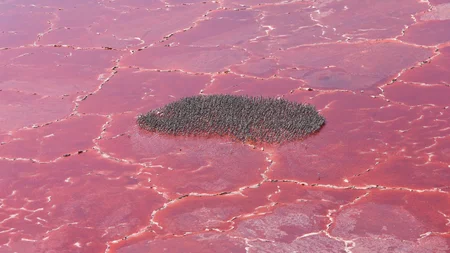
Flamingos don't do anything halfway. When they gather, they can form colonies of up to a million individuals, transforming shorelines into seas of pink.
These massive gatherings serve a practical purpose: safety in numbers. A million flamingos means a million pairs of eyes watching for predators like eagles, jackals, and hyenas who'd love a pink dinner.
Synchronized Swimming Has Nothing on This
During breeding season, flamingos perform elaborate synchronized dances that would make any choreographer jealous. Hundreds or thousands of birds move in unison, executing the same moves at the same time.
The routine includes head-flagging (rapid head turns that show off their black wing tips), wing salutes (sudden wing extensions), and marching displays where they walk together in tight formation. They look like they've been rehearsing for months, but it's pure instinct.
The synchronization isn't just for show. Scientists believe group displays stimulate hormones that prepare birds for breeding. The bigger and more coordinated the dance, the more likely the entire colony will breed successfully that season.
Why the Weird Name?
"Flamboyance" comes from the French word flamboyant, meaning flaming or showy. Given that flamingos are literally named after flames (from the Latin flamma) due to their bright coloring, calling their group a flamboyance is almost too perfect.
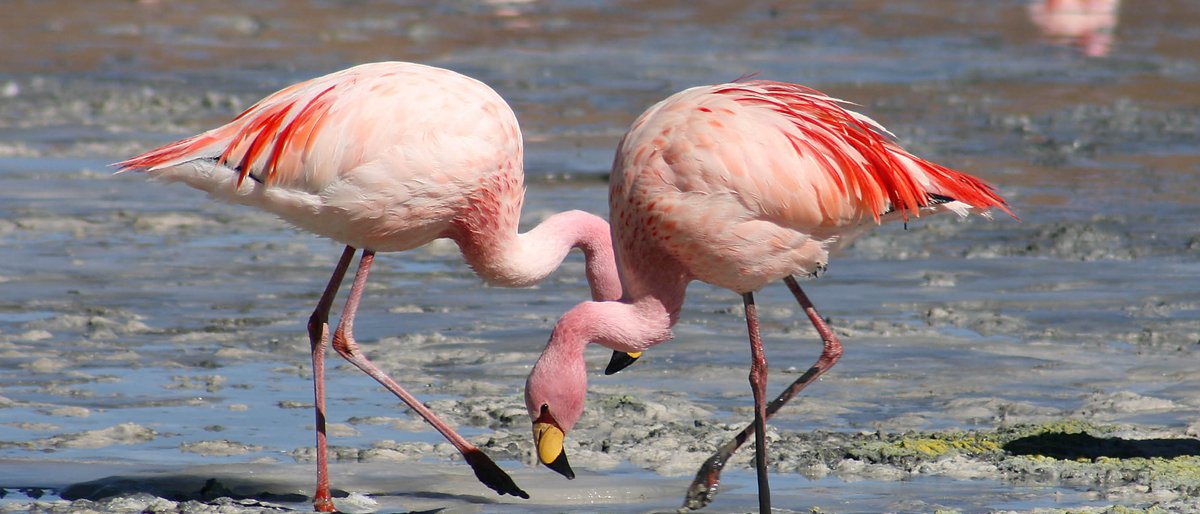
Their pink color comes from carotenoid pigments in the algae and crustaceans they eat. Flamingos are born gray and turn pink over time based on their diet. A pale flamingo is either young or eating poorly.
So yes, you're looking at a million-strong flamboyance of pink birds who earned their color through their diet and their name through their theatrical mating dances. Nature really committed to the theme here.
Frequently Asked Questions
Why is a group of flamingos called a flamboyance?
How many flamingos can be in a flamboyance?
Why do flamingos perform synchronized dances?
Are flamingos born pink?
What other animals are called a flamboyance?
Verified Fact
This fact has been reviewed and verified against original sources.
Source: View sourceShow verification details
The collective noun 'flamboyance' for flamingos is documented in ornithological sources. Flamingo colonies can indeed reach up to a million individuals (particularly Greater Flamingos in East Africa). Synchronized courtship displays are well-documented behavior used to stimulate breeding hormones across the colony.
Related Topics
More from Animals
View all Animals →