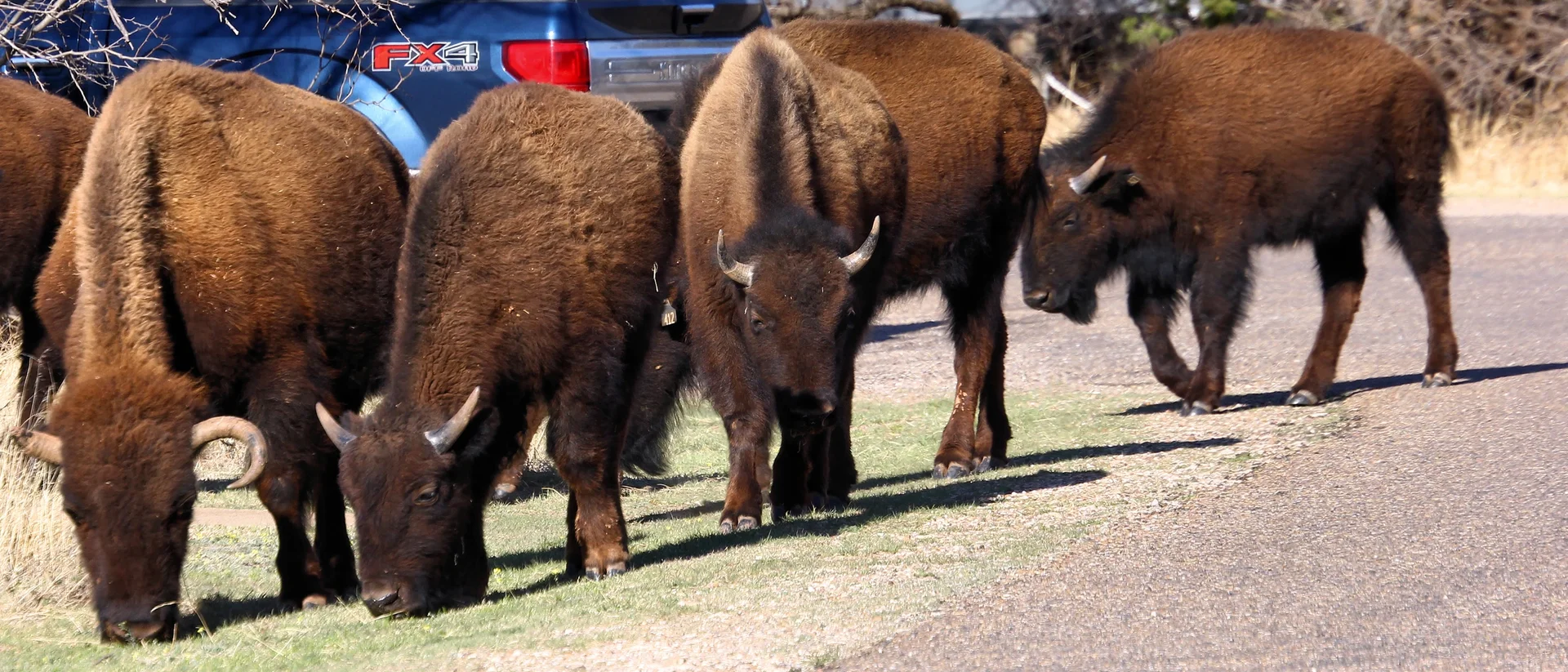
A Texas ranch wife helped save the American bison. By 1878, hide hunters had nearly wiped out the southern herd. Mary Ann Goodnight urged her husband Charles to rescue a few orphaned calves. Those calves started one of five herds that seeded nearly every bison in North America. Their descendants still roam Caprock Canyons State Park, right through the campground.
A Ranch Wife's Orphan Calves Helped Save the Bison
Nearly every bison alive in North America today descends from a handful of small herds that people built from orphaned calves at the end of the great buffalo hunts. One of them began on a Texas ranch, because a rancher's wife could not ignore the calves crying in the dark.
The Plains Went Quiet
At one time, 30 to 60 million bison roamed the North American plains, according to Texas Parks and Wildlife. Early Spanish explorers in Texas said they were as numerous as "fish in the sea."
That changed when professional hide hunters arrived. From 1874 to 1878, they nearly wiped out the great southern bison herd in what became known as the great slaughter.
Hunters often shot the mother bison and left the calves alone on the open plains.
By 1888, estimates put the number of bison left in all of North America at fewer than 1,000.
The Cries in the Night
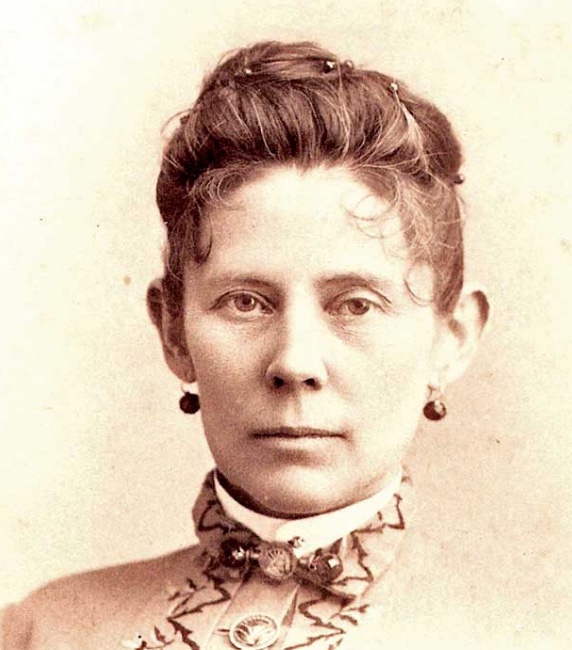
Mary Ann "Molly" Goodnight lived on the JA Ranch in Palo Duro Canyon, in the Texas Panhandle. Her husband was Charles Goodnight, the trail-driving cattleman often cited as a model for Captain Woodrow Call in Larry McMurtry's Lonesome Dove.
According to Texas Parks and Wildlife Magazine, she was haunted at night by the cries of the abandoned bison calves.
In 1878, Mary Ann urged Charles to capture some of the orphaned calves from the southern herd. Accounts differ on how many he brought in, from two to a handful.
The couple raised the calves on the JA Ranch as the start of the Goodnight Herd. It soon grew to more than 200 head.
One of Five
The Goodnights were not alone. Toward the end of the great slaughter, a few other people took in orphaned calves and started their own herds.
According to Texas Parks and Wildlife, the Goodnight Herd and four other herds provided the foundation stock for virtually all bison in North America today.
In 1902, three bulls from the Goodnight herd went to Yellowstone National Park to help rebuild its nearly vanished bison, according to the National Park Service. They joined 18 cows brought in from a Montana herd.
The Last Southern Plains Bison
After the Goodnights died, their herd faded from public view.
In 1994, wildlife conservationist Wolfgang Frey learned that about 50 bison were still living on the JA Ranch, and he contacted the state of Texas.
Genetic testing by Texas Parks and Wildlife found a rare marker. It showed the herd was perhaps the last remaining group of southern plains bison.
The JA Ranch donated the herd to the state. In 1997, it moved to Caprock Canyons State Park, on land that was once part of the JA Ranch, and it is now the Official Bison Herd of Texas.
Bison in the Campground
Texas Parks and Wildlife Magazine put the Texas State Bison Herd at nearly 300 animals in 2023.
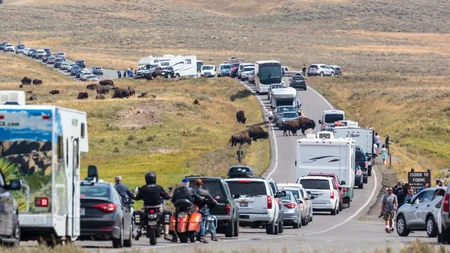
The bison roam free across the park. They walk the park roads, sometimes cause traffic jams and wander past visitors' campsites.
Every winter, the park runs DNA tests on the herd to track its genetic diversity, and every animal gets a health check.
The herd that began with Mary Ann Goodnight's orphaned calves still grazes the red canyons of the Texas Panhandle.
Source:Texas Parks and Wildlife
Enjoyed this fact?
Be the first to love this
Get a new fact every morning.
A fascinating fact in your inbox every morning. Free. Unsubscribe anytime.
Frequently Asked Questions
Who was Mary Ann Goodnight?
Where did the Texas State Bison Herd come from?
How many bison are in Caprock Canyons State Park?
Can you see bison at Caprock Canyons State Park?
How close did the American bison come to extinction?
Verified Fact
Verified Oct 13, 2026 · 5 sources checked
Source: Texas Parks and WildlifeShow verification details
Claims checked
- Mary Ann Goodnight urged her husband Charles to capture orphaned bison calves in 1878
- Hide hunters decimated the great southern herd from 1874 to 1878
- The Goodnight Herd grew past 200 head and is one of five herds behind virtually all bison in North America
- Three Goodnight bulls went to Yellowstone in 1902
- The herd was donated to Texas and moved to Caprock Canyons State Park in 1997
- The herd roams free in the park, past visitors' campsites
Sources: Texas Parks and Wildlife, Texas Parks and Wildlife Magazine, National Park Service, Texas Highways, Texas Standard
Related Topics
More from Animals
View all Animals →