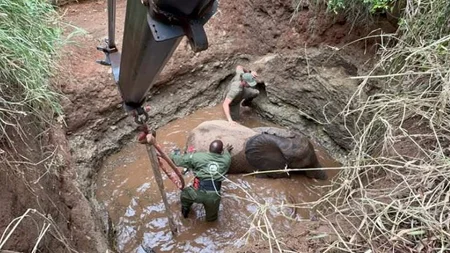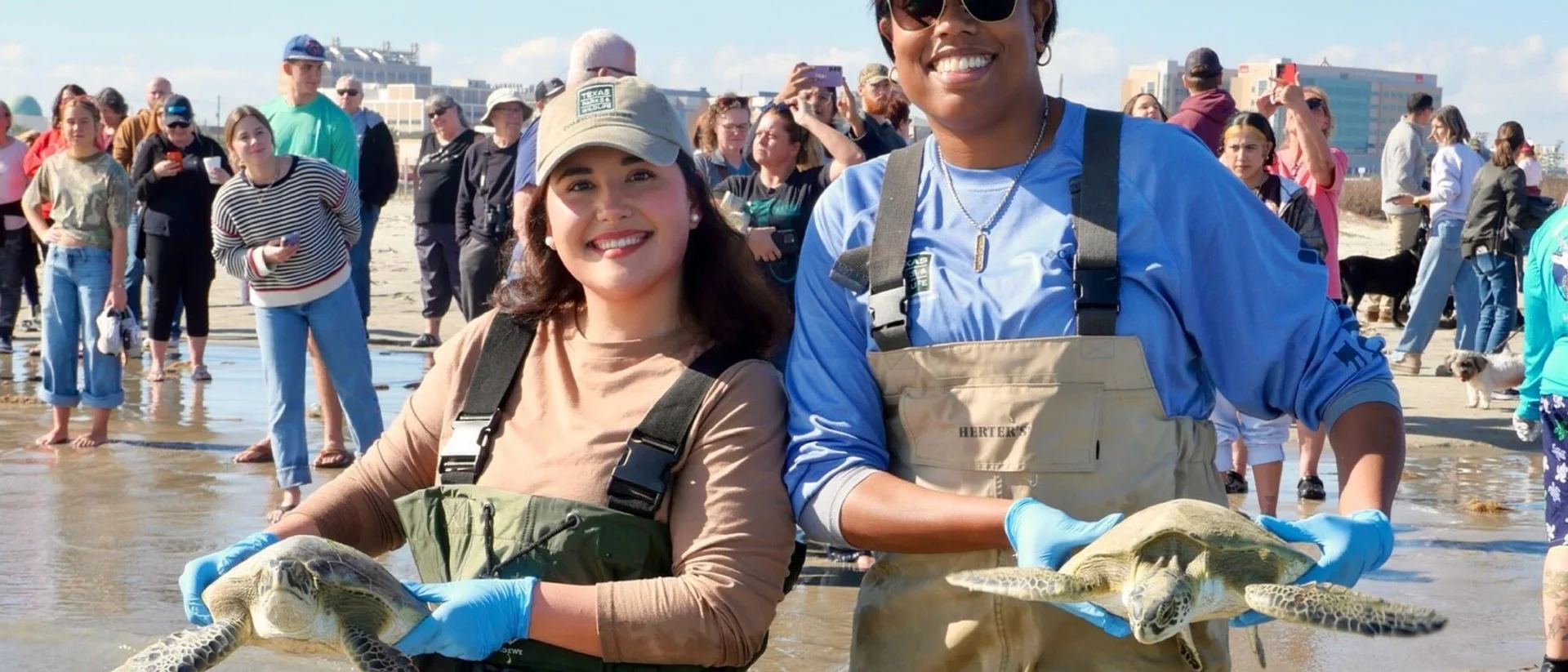
A brutal freeze hit the Texas coast in January 2026. Sea turtles went stiff and floated like they were dead. It's called cold-stunning, and it happens when the water drops below 50 degrees. This time it hit 42 degrees. Rescue crews combed the coast for days and found 1,126 turtles still alive. Vets warmed them slowly. Crowds later gathered on a Galveston beach to watch over 100 of the survivors swim free.

1,126 Sea Turtles Looked Dead. Then They Moved.

Posted 8 days agoUpdated 10 minutes ago

A turtle that looks dead on a Texas beach might just be cold. In January 2026, a brutal freeze hit the Gulf Coast, and by the time it passed, rescue teams had pulled 1,126 sea turtles from the water alive.

When the Water Turns the Turtles Off

Sea turtles cannot generate their own body heat. When ocean water drops below 50 degrees, their bodies start shutting down. It is called cold-stunning: their heart rate slows, their limbs go rigid, and they lose the ability to swim or dive. A cold-stunned turtle floats helpless at the surface, and to anyone walking the beach, it looks dead.

In January 2026, a hard freeze dropped air temperatures to 27 degrees and pushed Gulf water down to 42 degrees along the Texas coast. Green sea turtles, a threatened species, were the hardest hit. The National Park Service put it bluntly: "Their numbers are still too low to afford losses."

A Coastline Full of Rescuers

From South Padre Island up to Galveston, patrols on foot and by boat combed the shoreline for days, wading into shallow bays to haul out turtles that could no longer move on their own.

Dr. Christopher Marshall, director of Texas A&M Galveston's Gulf Center for Sea Turtle Research, explained the danger: "During cold-stun events, strong north winds can push paralyzed turtles onto shorelines and deep into marshes."

The Texas State Aquarium alone recovered 332 turtles in three days around Corpus Christi. Some weighed nearly 100 pounds.
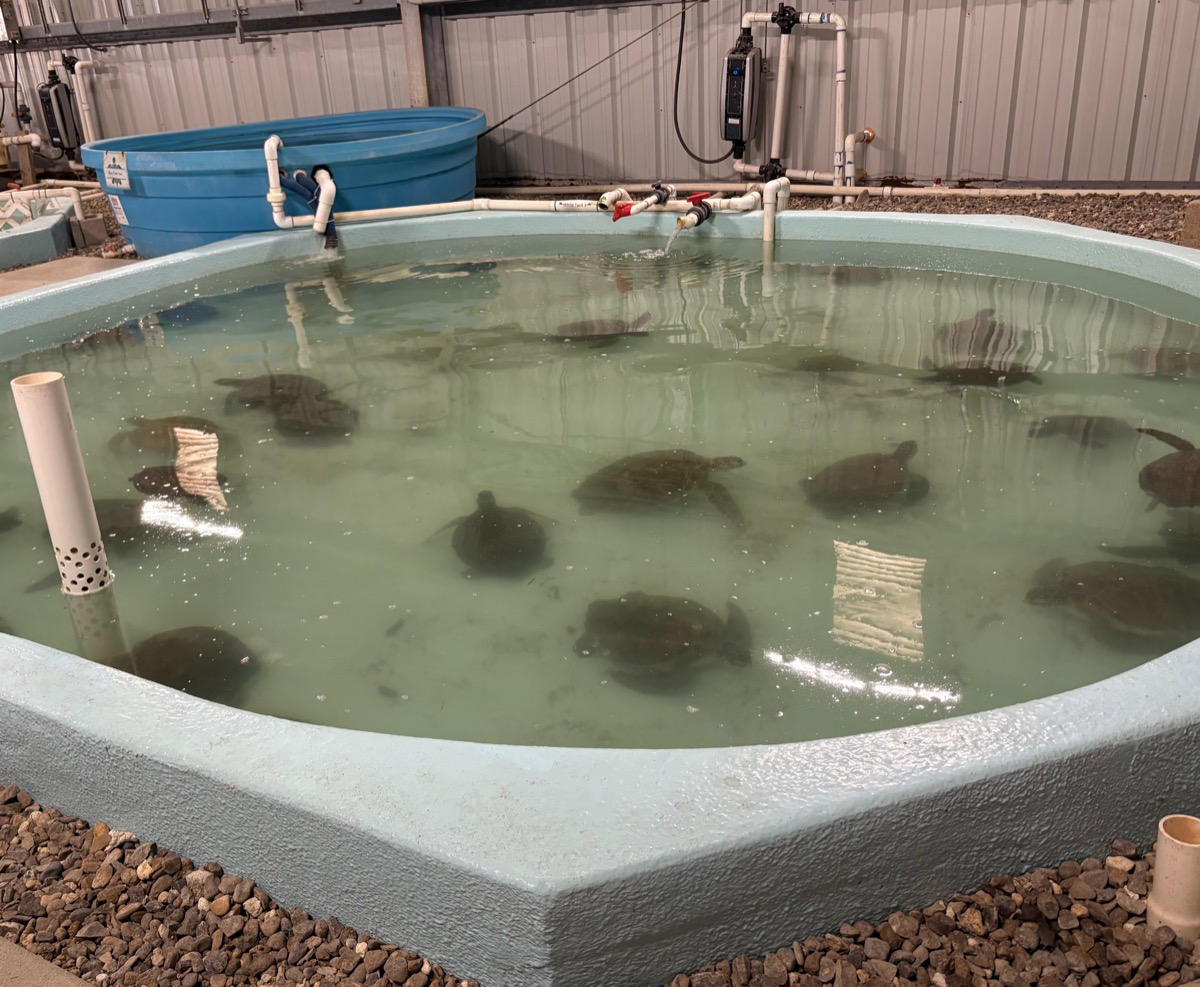
Rescued cold-stunned green sea turtles floating in a large rehabilitation pool while staff at a Texas facility slowly warm and monitor them
Rescued turtles were slowly warmed and checked by veterinary staff before release.

Warming Them Back to Life

Every turtle went through the same process: weighing, measuring, a health check, and a slow, careful warm-up. Warming a cold-stunned turtle too fast can kill it, so rehabilitation teams at Sea Turtle Inc., the Texas Sealife Center, the Texas State Aquarium, and Texas A&M Galveston's Gulf Center for Sea Turtle Research raised each turtle's temperature gradually over several days.

Turtles that passed a swim test and a veterinary exam were cleared for release.

Paid For By an Oil Spill

Much of the rescue effort was funded through the Sea Turtle Early Restoration Project, money set aside from the Deepwater Horizon oil spill settlement specifically to help the species recover. Sixteen years after the spill, that fund was paying to save the same turtles it was created to protect.

Back Into the Gulf

On January 29, 2026, more than 100 rehabilitated turtles were released at Stewart Beach in Galveston. Over 400 volunteers, families, and spectators showed up to watch.

Marshall also stressed how much public reporting mattered to the effort: "Quick, accurate reporting can mean the difference between life and death for these animals."

Of the 1,126 turtles pulled from the water that January, many were later rehabilitated and released back into the Gulf. What looked like a mass die-off on the Texas coast turned into one of the largest live sea turtle rescues on record.

Enjoyed this? Get a new fact every day.

Follow FunFactz for the best ones in your feed.

or get one in your inbox

Frequently Asked Questions

What does it mean when a sea turtle is cold-stunned?
Cold-stunning happens when water temperatures drop below about 50 degrees Fahrenheit. Sea turtles cannot regulate their own body temperature, so their heart rate slows and their limbs go rigid, leaving them floating helplessly at the surface and unable to swim or dive.
How many sea turtles were rescued in the 2026 Texas cold-stun event?
Rescue teams recovered 1,126 live cold-stunned sea turtles along the Texas coast in January 2026, after a hard freeze pushed Gulf water down to about 42 degrees Fahrenheit. Many of the recovered turtles were later rehabilitated and released.
How do rescuers warm up a cold-stunned sea turtle?
Rehabilitation teams raise a cold-stunned turtle's body temperature gradually over several days, since warming it too quickly can be fatal. Turtles are also weighed, measured, given veterinary exams, and put through a swim test before they are cleared for release.
Where does the money for Texas sea turtle rescues come from?
Much of the 2026 rescue effort was funded by the Sea Turtle Early Restoration Project, which uses money from the Deepwater Horizon oil spill settlement to help sea turtle populations recover.
Why are green sea turtles especially at risk from cold-stunning?
Green sea turtles are a threatened species that often feed in shallow Texas bays, where water cools quickly during winter storms. When a sudden freeze hits, they can become trapped before they are able to swim to deeper, warmer Gulf waters.

Verified Fact

Verified this session - WebSearch budget was exhausted early in the audit and targeted URL guesses for the original TAMU/NPS/KRISTV pages 404'd

Source: NOAA Gulf Spill Restoration
Show verification details

Audited 2026-08-01 (fact-verifier, independent pass). CORE CLAIMS INDEPENDENTLY RE-CONFIRMED (not just trusting creator's self-check): read gulfspillrestoration.noaa.gov/2026/03/texas-restoration-project-aids-recent-sea-turtle-rescue in full via WebFetch (primary source) - confirms 1,126 live cold-stunned sea turtles recovered coastwide, event LATE JANUARY 2026 (article itself published March 20 2026 as a recap - date discrepancy the content-creator already caught and corrected, re-confirmed here), air 27F / water 42F, funded via Deepwater Horizon NRDA settlement / Sea Turtle Early Restoration Project, org list (TPWD, NPS, Sea Turtle Inc, TAMUG Gulf Center for Sea Turtle Research, Texas Sealife Center, Texas State Aquarium, UT Marine Science Institute ARK), and explicit "medically cleared" release language (NOT all 1,126 released - confirmed no overclaim). CITATION FIDELITY: PASS - source_url supports the headline 1,126 figure and central claim directly, verbatim. Independently corroborated the Jan 29 2026 Stewart Beach/Galveston release via THREE further sources not in the creator's original list: Galveston County Daily News (102 turtles released, week-prior freeze), Fox26 Houston (100 turtles, Jan 29, Stewart Beach), and confirmed Dr. Christopher Marshall is a real, verifiable director-level figure at TAMUG's Gulf Center for Sea Turtle Research (via duckduckgo search of tamug.edu/galvnews.com coverage) - reduces risk of an invented-person hallucination on the attributed quotes. NUMERIC COHERENCE - ONE ISSUE FOUND AND CORRECTED: text/social_text originally read "...found 1,126 turtles still alive. Vets warmed them slowly. Crowds later gathered on a Galveston beach to watch the survivors swim free" - the anaphoric chain (1,126 -> "them" -> "the survivors") reads as if all 1,126 were released together at one Galveston event. In fact only ~100-102 (Galveston County Daily News: 102; Fox26: 100; TAMUG source per creator: 100+) were released at Stewart Beach on Jan 29; the 1,126 is a coastwide total across multiple facilities (Corpus Christi/Texas State Aquarium 332, TAMUG, Sea Turtle Inc, etc.), and only medically-cleared turtles were ever released (NOAA's own wording). CORRECTED: text and social_text closing sentence now reads "...watch over 100 of the survivors swim free" - ties the release to the sourced, verifiable count and removes the implied 1,126-at-once overclaim. article, faqs, social_caption, social_engagement_comment, and social_link_comment were re-checked and do NOT have this ambiguity (social_caption never states the 1,126 total; social_engagement_comment explicitly scopes "the survivors" to "when [they] were finally cleared" i.e. the Jan 29 release, not the full 1,126) - no changes needed there. RESIDUAL LOW-CONFIDENCE ITEMS (flagged, not blocking): the direct quotes ("Their numbers are still too low to afford losses" - NPS; two Marshall quotes) and the "400+ attendees" figure could not be independently re-verified this session - WebSearch budget was exhausted early in the audit and targeted URL guesses for the original TAMU/NPS/KRISTV pages 404'd. These were sourced by content-creator from named outlets (KRISTV/Texas State Aquarium, TAMU newsroom) and are plausible/on-topic for the real people and orgs involved, but should be spot-checked before any comment-responder engagement asserts them as certain. No other secondary-detail hallucinations found; framing is correctly AWE/relief (mass rescue), not grief - no "caused"/contested-causation language present. engine=1 (mass emotional-animal rescue, category A) is correct per the Jun-20 A/W prime-eligible carve-out - NOT downgraded. affinity_pool=1 (broad animal appeal, regional 2026 event, not mass household-name) is correctly graded, left as-is. No scheduled_posts existed for this fact yet (pre-imaging); no images set yet - no cascade cancellation/image-null needed.

Related Topics

More from Animals

View all Animals