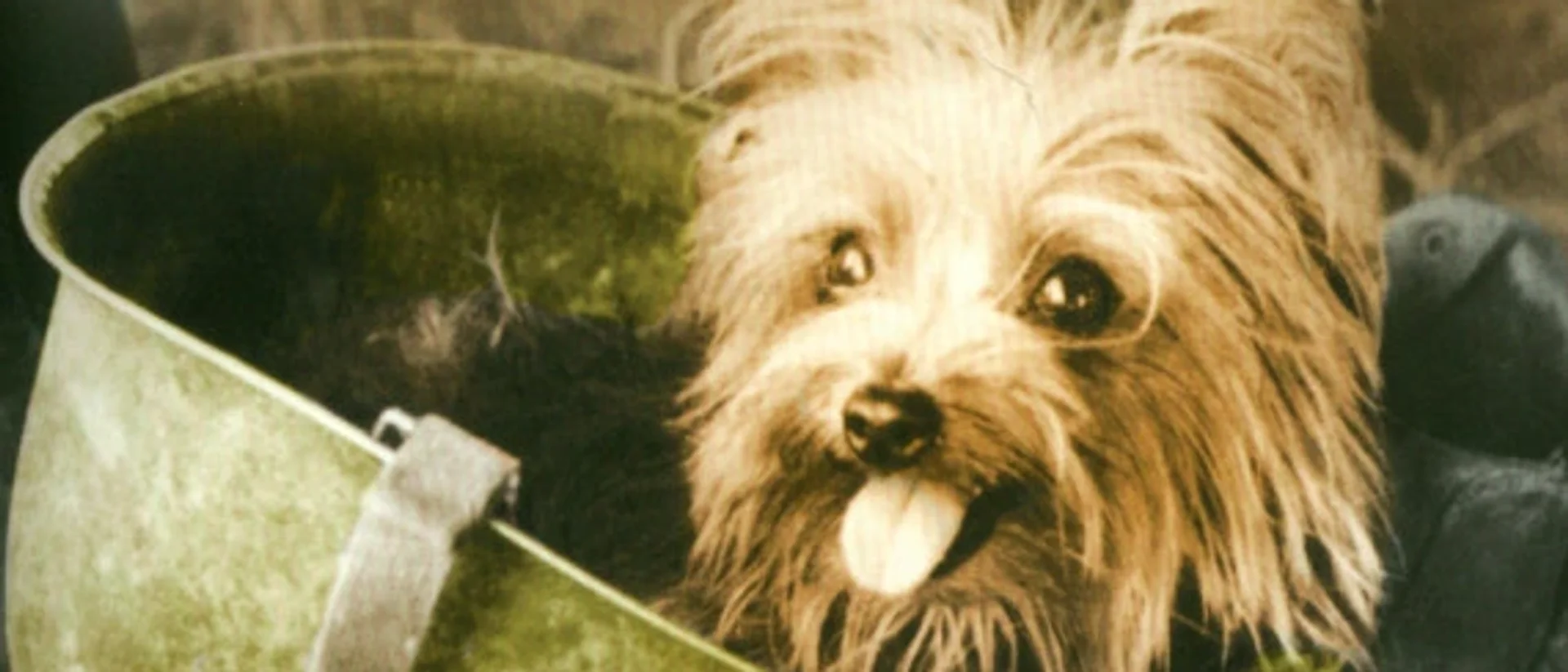
A 4-pound Yorkshire Terrier named Smoky was the smallest soldier in the Pacific during WWII. At Lingayen Gulf, engineers needed telephone wire threaded through a 70-foot pipe buried under an active airfield - too narrow for any person to enter. Smoky crawled through in minutes, saving an estimated 250 ground crew from three days of digging in open enemy fire, with 40 planes parked nearby.
The 4-Pound Dog Who Threaded a 70-Foot Pipe Under Enemy Fire
When engineers at a Filipino airfield needed telephone wire threaded through a 70-foot pipe buried beneath active runways in 1945, they faced a problem no human could solve. The pipe was just 8 inches in diameter. Japanese air raids came daily. Digging a trench would have taken 70 men three days - fully exposed to attack the whole time.
The Smallest Soldier in the Pacific
Smoky was a 4-pound, 7-inch Yorkshire Terrier found in an abandoned foxhole near New Guinea in early 1944. An American soldier sold her to Corporal Bill Wynne, a 22-year-old from Cleveland, for two Australian pounds - about $6.44. Wynne, who had trained dogs before the war, was serving with the 26th Photo Reconnaissance Squadron, 5th Air Force. Smoky flew with him on 12 combat missions and survived 150 air raids on New Guinea.
Four Inches of Headroom
At Lingayen Gulf, Luzon, the Signal Corps needed telegraph wire run through a pipe beneath a taxiway. The pipe was only 8 inches in diameter and had partially filled with dirt, leaving as little as 4 inches of headway in places. Wynne tied a kite string to Smoky's collar and called her name from the other end. She crawled through in minutes. The alternative - 70 men digging a trench over three days - would have shut down the airfield and exposed both ground crew and 40 parked U.S. aircraft to daily Japanese bombing raids. Smoky is credited with saving an estimated 250 men from that exposure.
The First Therapy Dog
Smoky's work did not end on the battlefield. Starting in July 1944 at the 233rd Station Hospital in New Guinea, she began visiting wounded soldiers. An Animal Planet investigation later concluded she was the first recorded therapy dog - years before the practice had a name. After the war, Wynne continued bringing Smoky to veterans' hospitals until 1954, a decade of visits that helped establish what we now call animal-assisted therapy.
A Monument in Cleveland
Smoky died on February 21, 1957, at around age 14. In 2005, a bronze monument was unveiled in Rocky River Reservation, Cleveland Metroparks - dedicated to the dogs of all wars. Bill Wynne, who became a photojournalist after the war and wrote a memoir about Smoky at age 74, lived to see that tribute. He died in 2021 at age 99.
Frequently Asked Questions
What did Smoky the war dog do at Lingayen Gulf?
How big was Smoky the WWII dog?
Was Smoky the first therapy dog?
Who owned Smoky the war dog?
Where is the Smoky war dog monument?
Verified Fact
Verified Aug 26, 2026 · 3 sources checked
Source: National GeographicShow verification details
Claims checked
- Smoky was a 4-pound Yorkshire Terrier in the Pacific in WWII
- Smoky crawled through a 70-foot pipe at Lingayen Gulf, saving 250 men and 40 planes from three days of digging
- Smoky was owned by Bill Wynne and bought for about $6.44
- Smoky was found in early 1944
- Smoky is honored at a monument in Cleveland Metroparks
Sources: National Geographic, Military.com, Wikipedia
Related Topics
More from Animals
View all Animals →