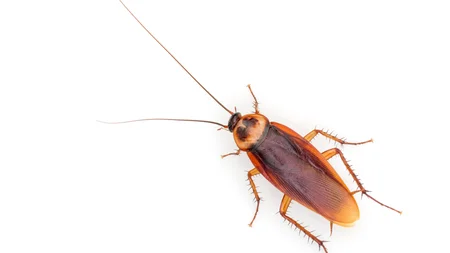
Children are more allergic to cockroaches than they are to cats!
Kids Are More Allergic to Cockroaches Than Cats
If you had to guess which household pest causes more childhood allergies—fluffy housecats or skittering cockroaches—you'd probably pick cats. You'd be wrong. Research shows that cockroach allergies are significantly more common in children than cat allergies, particularly among kids living in urban environments.
In a landmark study of 476 inner-city children with asthma across eight US cities, 36.8% tested positive for cockroach allergen sensitivity. Cat allergens? Just 22.7%. That's a 60% higher rate of cockroach allergy compared to cats.
Why Cockroaches Hit Harder
The comparison gets even more disturbing when you look at health outcomes. Children who were both allergic to cockroaches and exposed to high levels of cockroach allergens had more than three times the hospitalization rate for asthma compared to other kids—0.37 hospitalizations per year versus 0.11.
Cat allergies don't typically trigger that level of severity. The cockroach allergen proteins, primarily found in their feces, saliva, and body parts, are potent inflammatory triggers that can cause:
- Severe asthma attacks requiring hospitalization
- Chronic respiratory inflammation
- Year-round allergy symptoms (unlike seasonal pollen)
- Increased emergency room visits
The Urban Allergy Epidemic
Cockroach allergens are detected in 85% of inner-city homes in the United States, and 60-80% of inner-city children with asthma show sensitization. In neighborhoods with high asthma rates, cockroach allergy sensitivity hits 23.7%—more than double the 10.8% rate in low-asthma neighborhoods.
The problem persists because cockroaches thrive in precisely the environments where vulnerable children live. Old buildings, multi-unit housing, and areas with inadequate pest control create perfect breeding grounds.
An Invisible Health Crisis
Here's what makes this especially insidious: most families don't know cockroach allergens are the problem. You might never see a roach, but allergen levels can remain dangerously high from residue in walls, carpets, and ventilation systems. Even "clean" homes can harbor these proteins.
Cat allergens are obvious—if you're sneezing around Fluffy, you connect the dots. Cockroach allergens are invisible enemies. A child might suffer repeated asthma attacks while parents blame dust, mold, or outdoor triggers, never realizing the real culprit is lurking behind the refrigerator.
The research has prompted public health initiatives targeting cockroach control in high-risk housing. Because unlike telling someone to rehome their cat, eliminating cockroach allergens requires systematic pest management, building maintenance, and sometimes structural repairs.
So yes, children are indeed more allergic to cockroaches than cats—and the consequences are far more serious than most people realize.
Frequently Asked Questions
Are cockroach allergies more common than cat allergies?
What are the symptoms of cockroach allergy in children?
Can you be allergic to cockroaches even if you don't see them?
How common are cockroach allergens in homes?
Why are cockroach allergies worse in cities?
Verified Fact
This fact has been reviewed and verified against original sources.
Show verification details
Research confirms that cockroach allergy prevalence (36.8%) exceeds cat allergy prevalence (22.7%) among inner-city children with asthma in major US studies.
Related Topics
More from Body & Health
View all Body & Health →