📅This fact may be outdated
The information in this fact was accurate when published but may have changed since then.
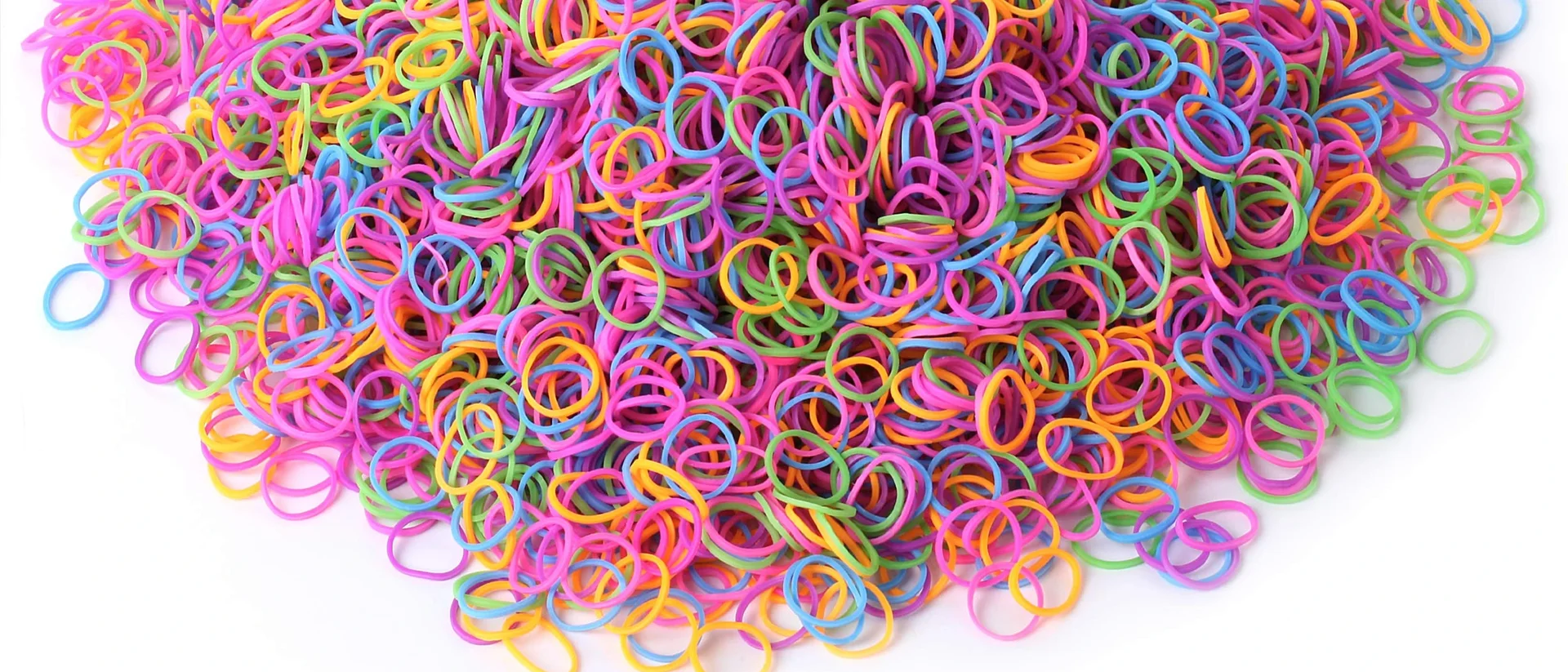
Some Chinese-made hair bands were fashioned from recycled condoms.
When Chinese Hair Bands Were Made From Recycled Condoms
In November 2007, a story broke that seemed too bizarre to be true: hair bands sold in Chinese markets were being manufactured from recycled condoms. The reports emerged from Dongguan and Guangzhou, two manufacturing cities in Guangdong province, sending shockwaves through international media and causing widespread alarm among consumers worldwide.
The discovery wasn't entirely accidental. Local health inspectors and journalists investigating cheap rubber products found that some hair elastics had an unusual composition and suspicious origins. The story quickly went viral, with many outlets sensationalizing the claim that "used" condoms were being repurposed into hair accessories.
The Truth Was Bad—But Not That Bad
Follow-up investigations revealed a crucial detail that many initial reports missed: the condoms weren't used. They were factory rejects—prophylactics that had failed quality control standards during manufacturing and were supposed to be destroyed. Instead, they were being sold to unscrupulous manufacturers who recycled the rubber into hair bands and other elastic products.
A Chinese government official confirmed that recycling condoms was illegal, and multiple agencies verified the story as true. However, despite the investigations, the specific suppliers and manufacturers were never publicly identified.
Not The First Time
Perhaps most troubling, this wasn't an isolated incident. In 2002, the Shanghai Star reported a similar case in Qingdao, Shandong Province, where rejected condoms had been repurposed into hair accessories. The 2007 scandal suggested this underground practice had continued for years.
The health implications were concerning even though the condoms were unused. Latex condoms are manufactured with lubricants, spermicides, and other chemicals not intended for prolonged skin contact on the scalp. Additionally, quality-rejected condoms might contain manufacturing defects, irregular latex composition, or contamination that led to their rejection in the first place.
The Aftermath
The scandal highlighted broader issues in China's manufacturing sector during the mid-2000s, a period marked by several product safety controversies including melamine-tainted milk powder and lead paint on toys. It raised questions about:
- Industrial waste disposal and black-market recycling
- Supply chain transparency in manufacturing
- The true cost of ultra-cheap consumer products
- Enforcement of health and safety regulations
While the story faded from headlines, it served as a stark reminder of what can happen when profit margins are prioritized over safety standards. Today, manufacturing oversight has improved significantly, though counterfeit and substandard products remain an ongoing challenge in global supply chains.
The condom hair band scandal of 2007 stands as one of the stranger chapters in manufacturing history—a cautionary tale about the hidden origins of everyday products and the importance of regulatory oversight in protecting consumers.