
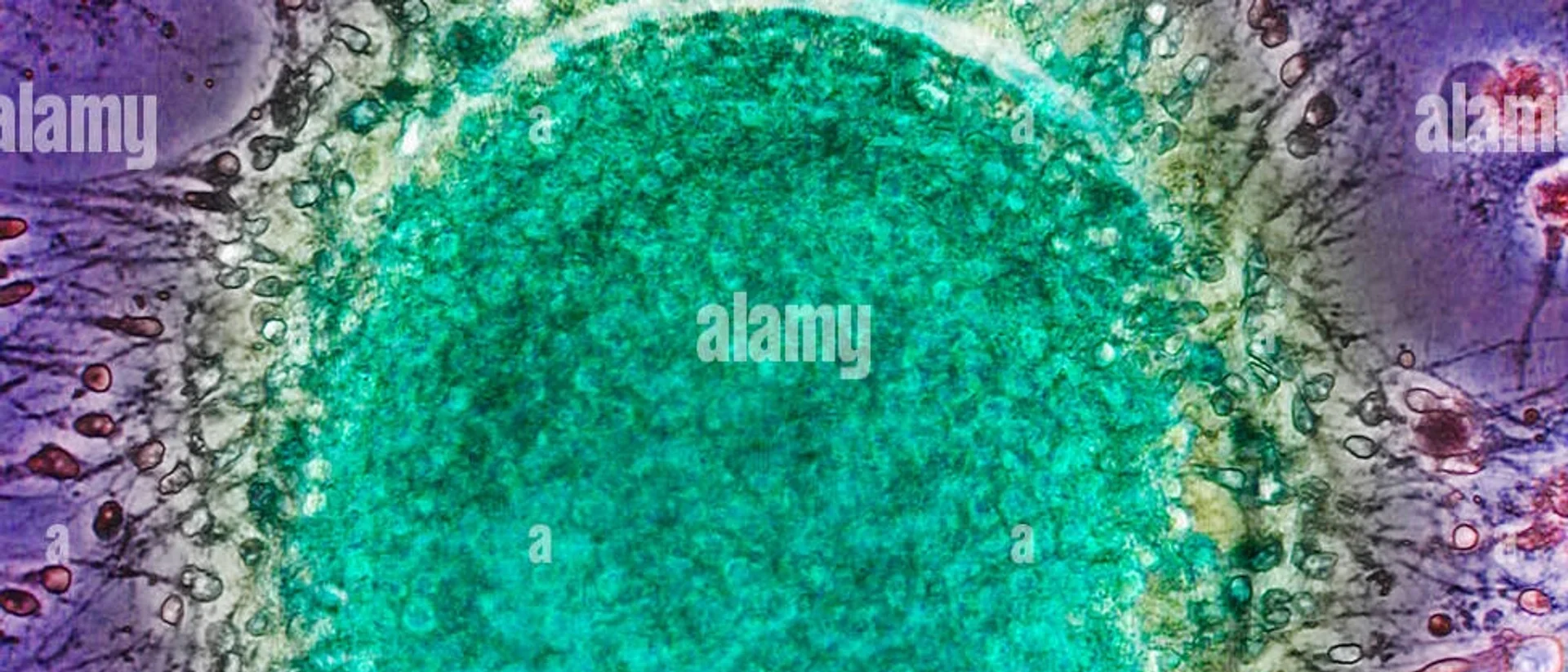
The largest cell in the human body is the female egg and the smallest is the male sperm.
The Extreme Size Gap Between Human Eggs and Sperm
Somewhere inside your body right now, a microscopic drama of extremes is playing out. The largest cell you'll ever produce is about the size of a grain of sand. The smallest? You'd need to line up about 20 of them just to match the width of a human hair.
Welcome to the bizarre world of human reproductive cells, where size differences are almost comically extreme.
The Mighty Egg
The human egg cell, or ovum, measures roughly 120 micrometers in diameter. That might not sound impressive until you realize it's the only human cell visible to the naked eye. Just barely, but still—you could theoretically spot one without a microscope under the right conditions.
This makes the egg about 100,000 times larger than a sperm cell by volume. To put that in perspective, if a sperm were the size of a tennis ball, the egg would be roughly the size of a hot air balloon.
Why So Big?
The egg isn't just showing off. That impressive size serves a critical purpose: it contains everything needed to sustain a developing embryo during its first week of existence. We're talking:
- All the cellular machinery for early division
- Enough nutrients to fuel development before implantation
- Protective layers to prevent multiple sperm from entering
- Mitochondria—the only DNA you inherit exclusively from your mother
The egg is essentially a survival pod, packed with supplies for a journey the fertilized cell must make entirely on its own.
The Minimalist Sperm
Sperm take the opposite approach. At just 5 micrometers long for the head (with a 50-micrometer tail), they're stripped down to the absolute essentials. DNA delivery and nothing else.
A sperm cell has almost no cytoplasm, no nutrient stores, and barely any cellular equipment beyond what's needed to swim and penetrate an egg. It's a genetic torpedo—fast, expendable, and produced in staggering numbers.
While a woman is born with all the eggs she'll ever have (about 1-2 million, though most never mature), a man produces roughly 1,500 sperm cells per second. That's about 500 billion over a lifetime.
The Numbers Game
This dramatic size difference reflects two completely different reproductive strategies. Eggs are precious, carefully maintained, and released sparingly—roughly 400-500 over a lifetime. Each one represents a massive biological investment.
Sperm, by contrast, are cheap to produce and deployed in overwhelming numbers. A single ejaculation contains 200-500 million of them, yet only one will ever fertilize an egg. The odds make lottery tickets look like sure bets.
This isn't inefficiency—it's evolution's answer to a difficult problem. The journey to the egg is treacherous, with most sperm dying along the way. Producing millions ensures at least a few survivors reach their destination.
A Perfect Mismatch
What's remarkable is how these two extremes are perfectly designed to find each other. The massive egg waits, broadcasting chemical signals. The tiny sperm race toward it, guided by those molecular breadcrumbs. When they finally meet, the smallest cell in the human body merges with the largest to create something entirely new.
It's a partnership of opposites that's been working for hundreds of millions of years.
Frequently Asked Questions
What is the largest cell in the human body?
What is the smallest cell in the human body?
How much bigger is an egg than a sperm?
Why is the egg cell so much larger than sperm?
Can you see a human egg without a microscope?
Verified Fact
This fact has been reviewed and verified against original sources.