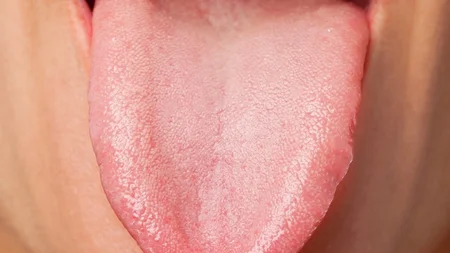
The lifespan of a tastebud is ten days.
Your Taste Buds Die and Regenerate Every 10 Days
Every time you savor your favorite meal, you're experiencing the world through cells that are, on average, just 10 days old. Your taste buds—those tiny sensory organs dotting your tongue—are in a constant state of renewal, dying and being replaced at a remarkable pace.
Think of your tongue as a construction site that never closes. While you sleep, eat, and go about your day, old taste bud cells are dying off and new ones are being born to take their place. This cellular turnover happens so seamlessly that you never notice the transition.
The Life Cycle of a Taste Cell
A taste bud isn't just one cell—it's a cluster of 50 to 100 specialized cells working together. New cells are born at the base of each taste bud, gradually maturing as they migrate upward. After about 10 days of faithful service detecting sweet, salty, sour, bitter, and umami flavors, these cells reach the end of their lifespan and die off.
Scientists using electron microscopy have found that each taste bud typically contains 4 to 6 cells at the end of their life at any given moment. The dead cells are then cleared away by neighboring support cells, making room for the next generation.
Not All Taste Cells Are Created Equal
Here's where it gets interesting: recent research reveals that the "10-day rule" is actually an average. Different types of taste cells within a single bud have different lifespans:
- Type I cells (support cells) may live longer than average
- Type II cells (detect sweet, bitter, and umami) have moderate lifespans
- Type III cells (detect sour) may turn over more quickly
This variation means that while some of your taste cells are brand new, others might be approaching their two-week retirement party.
Why the Rapid Turnover?
Your tongue takes a beating. It's constantly exposed to hot coffee, acidic sodas, crunchy chips, and countless other potential irritants. Rapid cell replacement ensures that damaged taste buds don't compromise your ability to taste. It's your body's way of maintaining quality control.
This regenerative ability also explains why temporary taste loss from a burned tongue or illness usually resolves within a couple of weeks. As new taste cells replace the damaged ones, your sense of taste returns to normal.
When Taste Buds Change
While individual taste cells live fast and die young, the number of taste buds you have does change over your lifetime. Children can have up to 10,000 taste buds, but this number decreases with age. By the time you're elderly, you might have half that number, which partly explains why older adults often find food less flavorful.
Smoking, certain medications, and medical conditions can also affect taste bud regeneration, sometimes slowing the replacement process or reducing the total number of functioning taste buds.
So the next time you enjoy a delicious meal, give a little thanks to those hardworking taste cells—many of which weren't even born when you ate breakfast last week.
Frequently Asked Questions
How long do taste buds live?
Do taste buds grow back after being burned?
Why do taste buds need to regenerate so quickly?
How many taste buds do humans have?
Can you lose your sense of taste permanently?
Verified Fact
This fact has been reviewed and verified against original sources.
Show verification details
The fact is essentially accurate. Scientific research confirms taste bud cells have an average lifespan of approximately 10 days (some studies cite 8-14 days).