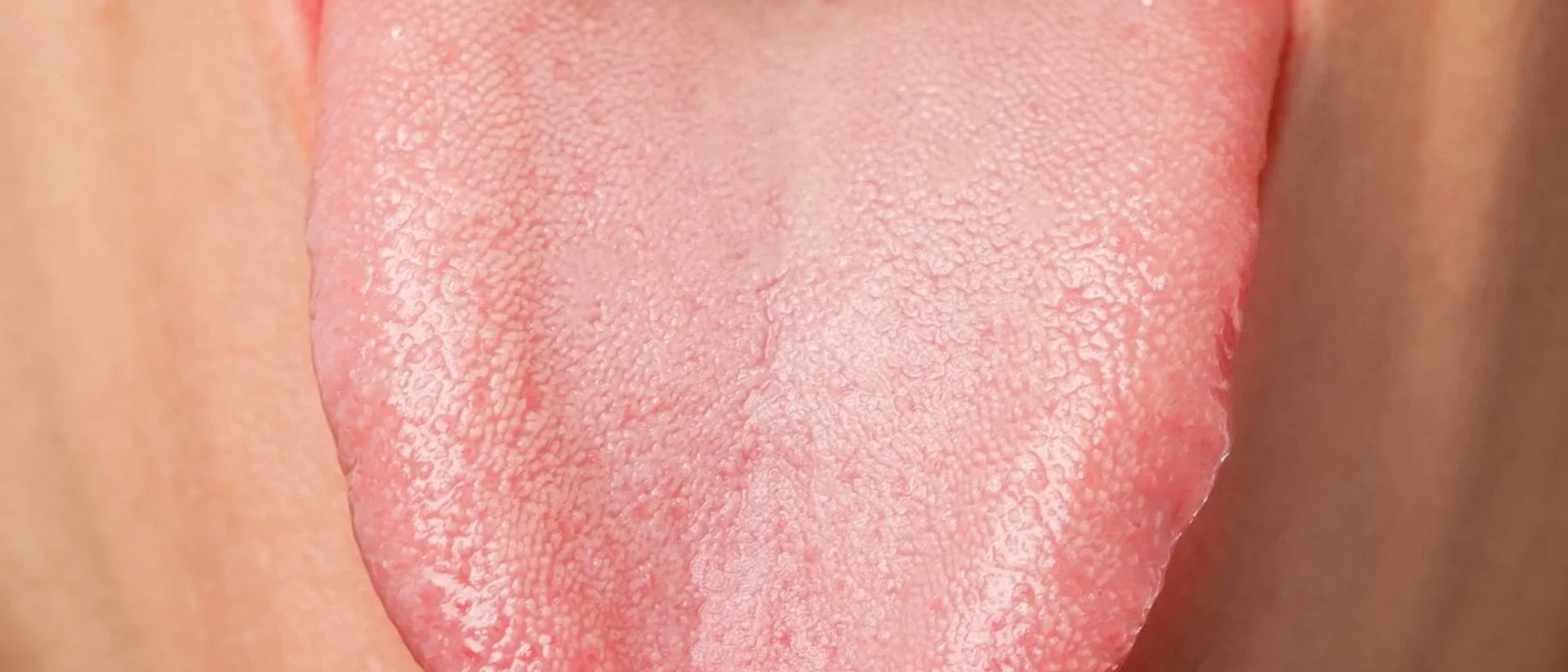
A white coating on your tongue indicates bacterial buildup - the thicker and whiter the coating, the more bacteria are present.
What That White Stuff on Your Tongue Really Means
Next time you stick out your tongue in the mirror, take a closer look at its color. That whitish coating you might see isn't just leftover toothpaste or a weird lighting effect—it's actually a visible colony of bacteria making themselves at home in your mouth.
Your Tongue Is a Bacterial Playground
The human tongue is covered in tiny bumps called papillae, and these create the perfect hiding spots for bacteria, dead cells, and food debris. When these accumulate, they form that telltale white coating. The thicker and whiter it gets, the more microscopic guests you're hosting.
Your mouth contains over 700 different species of bacteria at any given time. Most are harmless or even beneficial, but when they build up on your tongue's surface, they become visible to the naked eye.
Why Does It Happen?
Several factors can turn your tongue into a bacterial hotspot:
- Dehydration - A dry mouth lets bacteria thrive
- Poor oral hygiene - Skipping tongue cleaning lets buildup accumulate
- Mouth breathing - Dries out oral tissues, especially during sleep
- Smoking and alcohol - Both irritate the tongue and promote bacterial growth
- Diet - Soft foods don't naturally scrape the tongue clean like rougher textures do
The Morning Mouth Mystery
Ever wonder why your tongue looks worse in the morning? While you sleep, saliva production drops dramatically. Saliva is your mouth's natural cleaning system, washing away bacteria and debris throughout the day. At night, with that defense system running on minimal power, bacteria throw a party on your tongue.
This is also why morning breath is a universal human experience. Those bacteria produce sulfur compounds as they break down dead cells and food particles—and sulfur compounds smell terrible.
What a Healthy Tongue Looks Like
A healthy tongue should be pink with a thin, light coating. Some white is normal—you're never going to have a completely bacteria-free mouth, nor would you want one. But if your tongue looks like it's wearing a thick white sweater, it's time to step up your oral hygiene game.
The fix is surprisingly simple: brush or scrape your tongue daily. Tongue scrapers have been used for centuries in Ayurvedic medicine, and modern dentistry backs them up. Studies show tongue cleaning can reduce volatile sulfur compounds by up to 75%.
When to Pay Attention
While a white tongue usually just means you need to clean it better, persistent white patches that don't brush away could signal other conditions like oral thrush (a yeast infection) or leukoplakia. If gentle cleaning doesn't help after a week or two, it's worth mentioning to your dentist.
Your tongue is essentially a health dashboard for your mouth. That white coating? It's just your body's way of showing you what's happening in there—whether you wanted to know or not.
Frequently Asked Questions
Why is my tongue white in the morning?
How do I get rid of white tongue?
Is a white tongue a sign of illness?
Should I use a tongue scraper?
What color should a healthy tongue be?
Verified Fact
This fact has been reviewed and verified against original sources.
Show verification details
Clarified the claim - tongue coating color correlates with bacterial buildup, not just 'germs' broadly. The relationship is accurate.