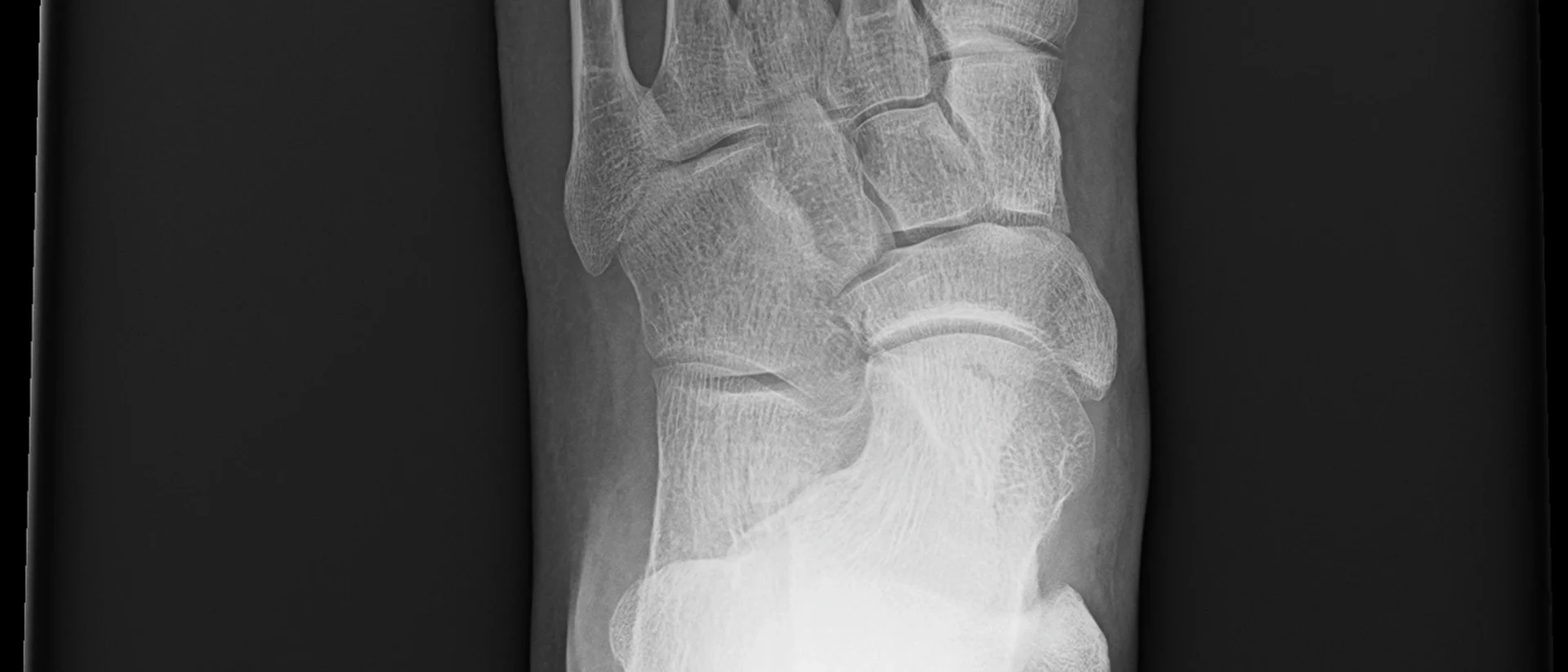
In 1977, a 13-year-old boy had a tooth growing out of his left foot.
The Boy Who Grew a Tooth in His Foot
Doug Pritchard was just a regular 13-year-old kid from Lenoir, North Carolina—until doctors found a tooth growing in his left foot. Not a bone fragment. Not calcium buildup. An actual tooth, complete with root and enamel, sprouting where no tooth had any business being.
The bizarre discovery made headlines in January 1978 when The Vidette newspaper documented the medical oddity. Doug had been experiencing pain in his foot, and when doctors investigated, they found something that shouldn't exist outside a horror movie premise.
When Body Parts Go Rogue
This wasn't some medical hoax or tabloid exaggeration. Doug's foot tooth represents a real phenomenon called ectopic tooth growth—when teeth develop in completely wrong locations. The condition occurs when embryonic tissue that's supposed to form teeth gets displaced during fetal development and ends up somewhere it absolutely shouldn't.
Documented cases of ectopic teeth have turned up in:
- The nasal cavity and sinuses
- The roof of the mouth (palate)
- The chin and jaw areas
- And yes, occasionally in feet
Your Body's GPS Malfunction
During the first weeks of pregnancy, cells receive chemical signals telling them what to become—heart cells, brain cells, tooth cells. Sometimes those signals get scrambled. A cluster of cells programmed to build teeth can migrate to the wrong spot, then sit dormant for years before suddenly deciding to do their job in a completely inappropriate location.
Think of it like a construction crew that got lost on the way to the job site but decided to build the house anyway, even though they ended up in someone's backyard instead of on the actual lot.
Why Feet?
The foot location is particularly strange because tooth-forming cells originate from the same embryonic layer as facial structures—they're nowhere near developing feet. For cells to end up that far from their intended destination requires a significant developmental detour during those critical early weeks of pregnancy.
Most ectopic teeth show up in the head and neck region, which makes anatomical sense. A tooth in the foot required those cells to travel an impressive (and medically baffling) distance before settling in.
The Solution
Once discovered, the treatment is straightforward: surgical removal. The tooth serves no function, causes pain, and could lead to infection. Doctors extracted Doug's foot tooth, and he could finally walk without his own body literally biting back at him from the inside.
The removed tooth looked like a regular tooth—complete with the crown, root, and enamel you'd expect to find in a mouth. Because that's exactly what it was, just spectacularly lost.
Ectopic teeth remain extremely rare, with only a few hundred cases documented in medical literature. But they serve as a reminder that human development is a staggeringly complex process where millions of cells need to receive the right instructions and end up in the right places. When that system glitches, you might end up brushing your teeth in places you never imagined possible.
Frequently Asked Questions
Can teeth grow in places other than the mouth?
What is the condition called when a tooth grows in your foot?
Did a boy really have a tooth growing out of his foot in 1977?
How is a tooth growing outside the mouth treated?
How common is ectopic tooth growth?
Verified Fact
This fact has been reviewed and verified against original sources.
Source: View sourceShow verification details
This case is documented in historical newspaper archives (The Vidette, January 1978) and involves Doug Pritchard from Lenoir, NC.
Related Topics
More from Body & Health
View all Body & Health →