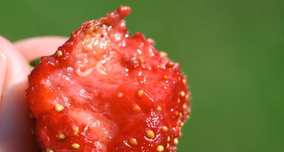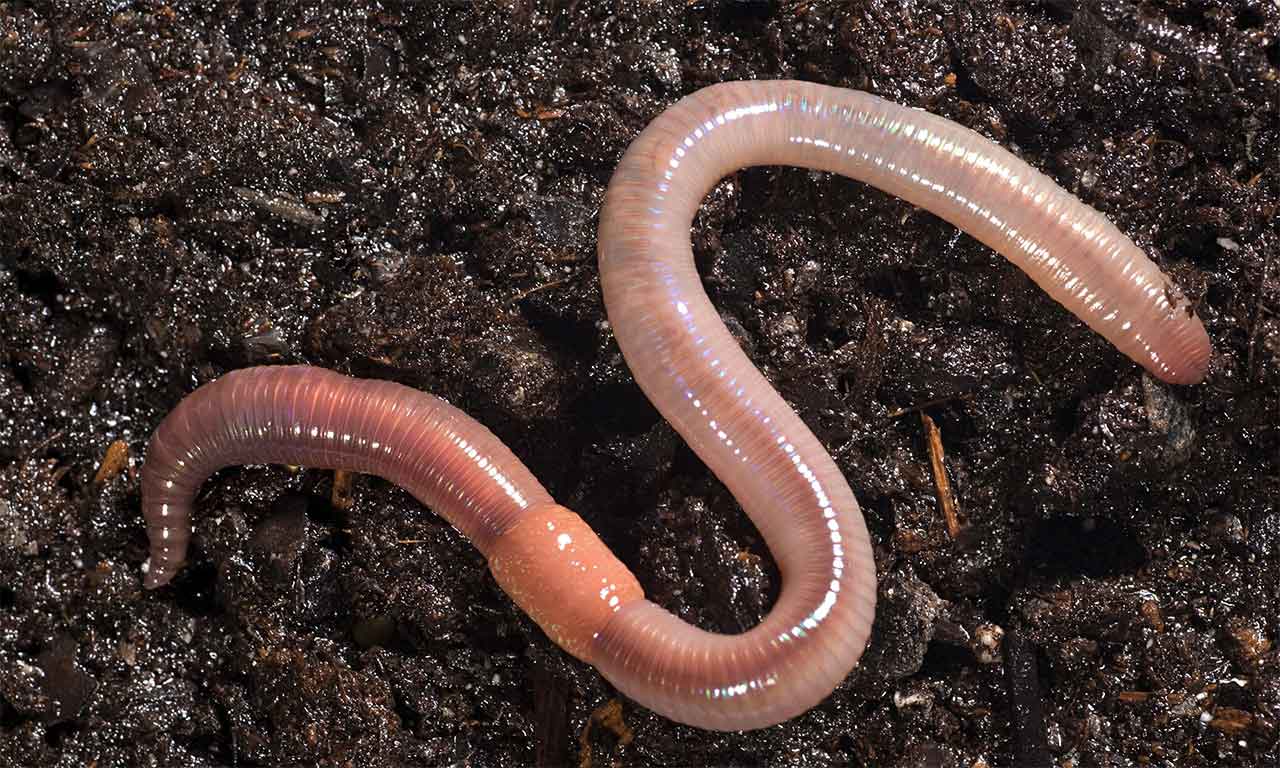
Earthworms are about 60-70% protein by dry weight, rich in Omega-3 fatty acids, and pair well with cumin and curry. Many who've tried them say they taste surprisingly like bacon.
Earthworms: The Bacon-Flavored Superfood You Never Asked For
Somewhere right now, someone is looking at a handful of wriggling earthworms and thinking, I bet that would go great with some cumin. And honestly? They might be onto something.
Earthworms clock in at an impressive 60-70% protein by dry weight—putting them in the same league as beef and chicken, but without the massive environmental footprint. They're also loaded with Omega-3 fatty acids, the same heart-healthy fats you'd find in salmon. Except salmon doesn't live in your backyard compost pile.
The Bacon Thing Is Real
Here's where it gets interesting. People who've actually eaten earthworms—whether out of survival necessity, culinary curiosity, or a lost bet—consistently report they taste like bacon. Crispy, fried earthworms apparently have that same smoky, savory quality that makes bacon a breakfast staple.
The comparison makes some biological sense. When cooked, the proteins and fats in earthworms undergo the same Maillard reaction that gives bacon its signature flavor. Add a little salt, and you've got something your taste buds genuinely recognize.
Ancient Food, Modern Potential
Eating earthworms isn't some new hipster trend. Indigenous cultures across the globe have been consuming them for centuries:
- The Maori of New Zealand consider certain earthworm species a traditional food
- Various South American communities have long included worms in their diet
- Aboriginal Australians have eaten witchetty grubs and similar invertebrates for thousands of years
What's old is new again. As the world grapples with how to feed 10 billion people sustainably, those humble garden worms are getting a second look from food scientists.
The Sustainability Argument
Raising earthworms requires a fraction of the land, water, and feed needed for traditional livestock. They thrive on organic waste—literally eating garbage and turning it into protein. No methane emissions. No deforestation for grazing land. Just efficient, squirmy protein production.
Some researchers estimate that insect and worm farming could reduce agricultural greenhouse gas emissions by up to 80% compared to conventional meat production.
How Do You Actually Eat Them?
The key is preparation. Raw earthworms taste like, well, dirt. But properly cleaned and cooked, they transform into something genuinely palatable.
Culinary adventurers recommend purging the worms first—keeping them in damp cornmeal for 24-48 hours so they expel any soil in their digestive systems. Then comes the cooking:
- Fried: Crispy and bacon-like, especially with salt and spices
- Roasted: Ground into a protein-rich flour for baking
- Sautéed: With garlic, cumin, and curry—the classic flavor pairing
The cumin and curry combination works particularly well because these bold spices complement the earthy undertones while the worms absorb their flavors beautifully.
Would You Try It?
The psychological barrier is real. We're conditioned to see worms as bait, not dinner. But consider this: lobsters were once considered garbage food, fed to prisoners and servants. Sushi was seen as bizarre in the West until a few decades ago.
Tastes evolve. And when the alternative is a climate-wrecked planet struggling to produce enough food, that little worm in the garden starts looking less like a pest and more like a solution—one that apparently tastes like bacon.
Frequently Asked Questions
Do earthworms really taste like bacon?
How much protein is in earthworms?
Are earthworms safe to eat?
Why are earthworms considered a sustainable food source?
What spices go well with earthworms?
Verified Fact
This fact has been reviewed and verified against original sources.
Show verification details
Adjusted protein percentage - earthworms are approximately 60-70% protein by dry weight, not 82%. The bacon taste comparison is anecdotal but widely reported.