
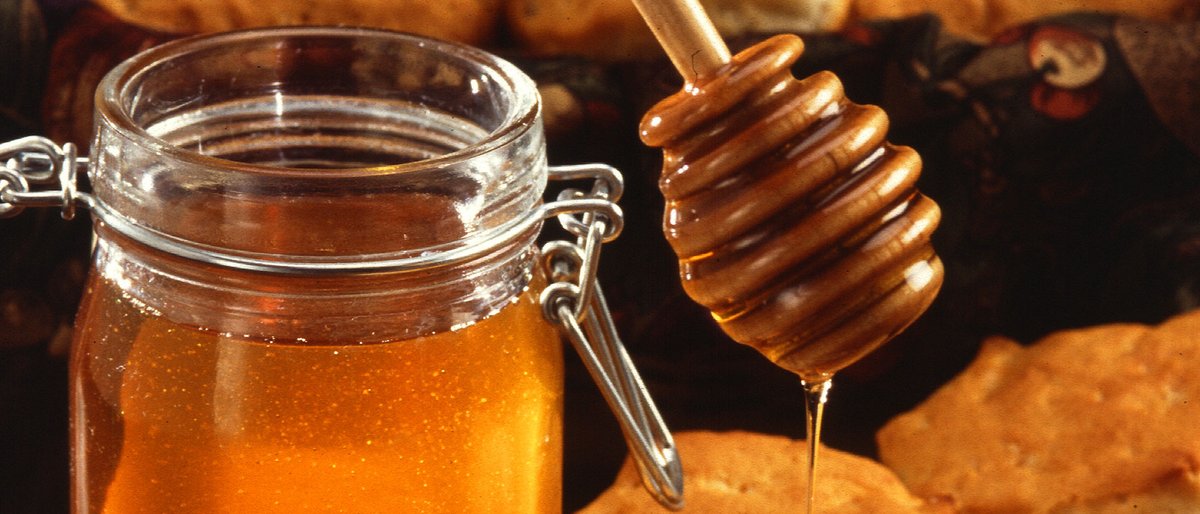
Honey never spoils. Archaeologists have found 3,000-year-old honey in Egyptian tombs that was still perfectly edible.
The Immortal Sweet: Why Honey Never Spoils
In the dusty chambers of ancient Egyptian tombs, archaeologists have made a remarkable discovery that would make any food scientist envious: pots of honey, thousands of years old, that remain perfectly edible. This isn't just a quirky historical footnote—it's a testament to one of nature's most extraordinary preservation systems.
The Sweet Discovery in Ancient Tombs
When Howard Carter and his team opened King Tutankhamun's tomb in 1922, they found more than just golden treasures and elaborate artifacts. Among the provisions left for the pharaoh's journey to the afterlife were sealed jars of honey. Despite being sealed for over 3,000 years, the honey was still in remarkably good condition—not crystallized beyond recognition, not fermented, and theoretically still safe to eat.
This wasn't an isolated incident. Archaeologists have repeatedly discovered ancient honey in tombs throughout Egypt, and in virtually every case, the honey has maintained its integrity across the millennia. The ancient Egyptians knew something special about honey, which is why they used it not only as food but also in religious rituals and the mummification process.
The Science Behind Honey's Immortality
So what makes honey virtually indestructible? The answer lies in a perfect storm of chemistry that creates an environment where bacteria and microorganisms simply cannot survive.
Low moisture content is honey's first line of defense. With a water content of less than 18%, honey is an extremely concentrated sugar solution. Bacteria and microorganisms need water to grow and reproduce, and honey's low moisture level literally desiccates any microbial invaders. It's too dry for life to flourish.
High acidity provides another barrier. Honey's pH typically ranges from 3.2 to 4.5, making it quite acidic. Most bacteria prefer neutral to slightly alkaline environments, so honey's acidity creates a hostile environment for potential spoilers.
Hydrogen peroxide production might seem surprising, but bees are actually creating a natural antiseptic. When bees produce honey, they also add an enzyme called glucose oxidase. When honey comes into contact with moisture, this enzyme breaks down glucose and produces hydrogen peroxide—the same substance you might use to disinfect cuts. This creates an antibacterial environment that actively fights contamination.
Finally, honey's hygroscopic nature means it absorbs moisture from its surroundings. If any bacteria somehow make it into honey, the honey will draw moisture out of the bacteria themselves through osmosis, essentially mummifying the invaders before they can reproduce.
Can Honey Actually Go Bad?
While honey doesn't spoil in the traditional sense, it can change over time. The most common change is crystallization, where the glucose in honey separates from the water and forms crystals. This is purely a physical change—crystallized honey is still perfectly safe to eat and can be returned to liquid form by gentle heating.
The only way honey can truly "go bad" is through improper storage. If honey is exposed to high humidity and absorbs too much moisture, it can reach a water content high enough to allow fermentation by osmophilic yeasts. Even then, it's not dangerous—just alcoholic and unpleasant. Properly sealed honey stored in a cool, dry place can last indefinitely.
Ancient Wisdom Meets Modern Science
The ancient Egyptians didn't understand the chemistry behind honey's preservation properties, but they certainly recognized its special qualities. They used honey extensively in medicine, applying it to wounds (where its antibacterial properties would have been genuinely helpful), mixing it into remedies, and including it in their burial practices.
Modern medicine has come full circle, with medical-grade honey now used in wound treatment, particularly for burns and stubborn infections that resist antibiotics. The same properties that keep honey fresh for millennia also make it an effective antimicrobial agent.
So the next time you drizzle honey into your tea or spread it on toast, remember: you're consuming one of nature's most perfectly preserved foods, unchanged in its fundamental properties since bees first learned to make it millions of years ago. That jar in your pantry could, in theory, outlast you, your children, and countless generations to come—a sweet connection between the present and the eternal.
Frequently Asked Questions
Is the 3,000-year-old honey from Egyptian tombs actually safe to eat?
Why does honey sometimes crystallize if it never spoils?
Can any type of honey last forever?
Why did ancient Egyptians put honey in tombs?
What makes honey antibacterial?
Verified Fact
This fact has been reviewed and verified against original sources.
Source: View sourceShow verification details
Well-documented archaeological findings, including discoveries in Egyptian tombs. The scientific explanation for honey's preservation is confirmed by food science research.