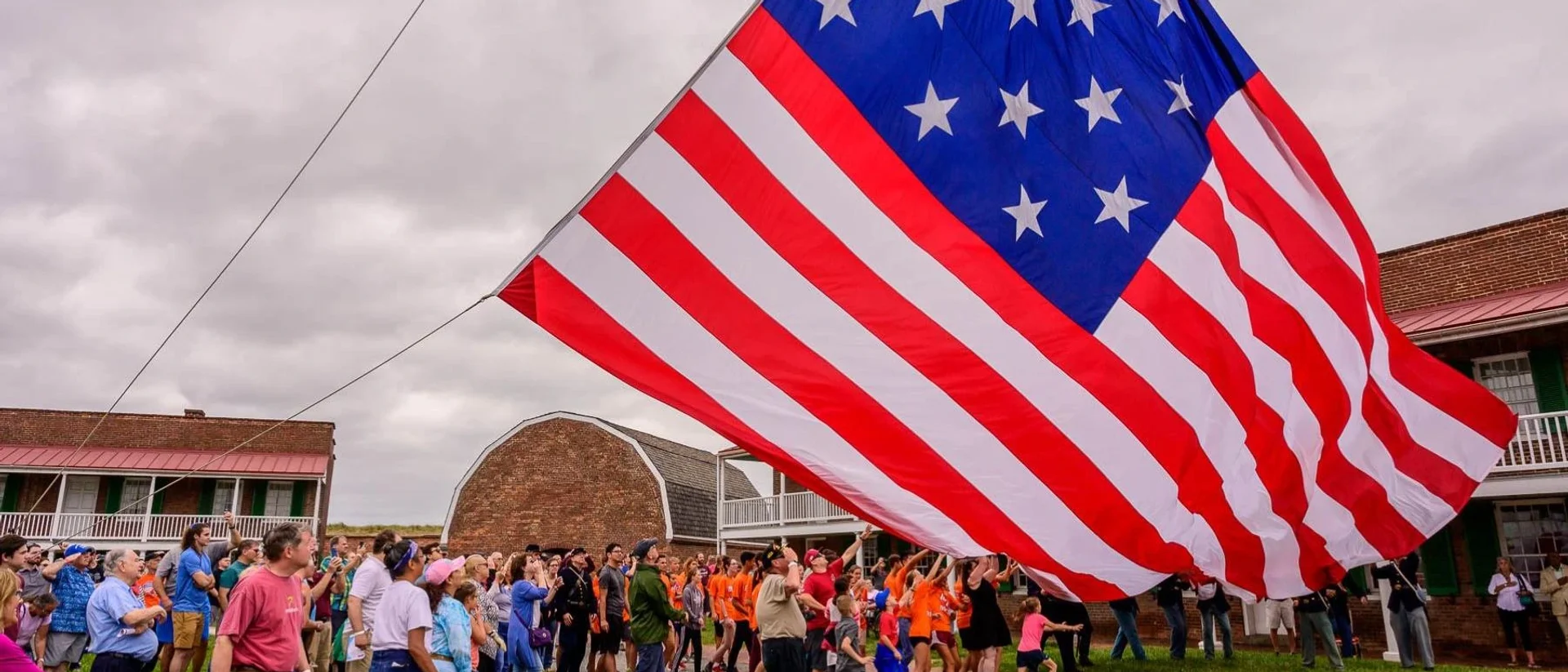
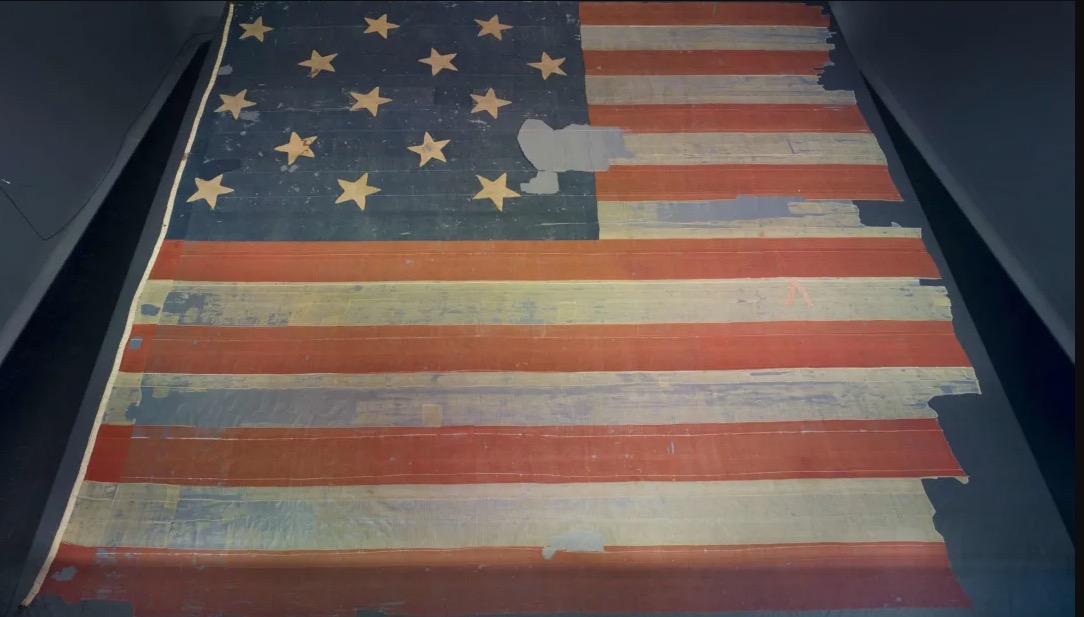
The flag that inspired the national anthem was 30 by 42 feet, with 15 stars and 15 stripes. At Fort McHenry today, visitors still help raise a replica that exact size. Every morning at 10 a.m., weather permitting, rangers hand out the edges and whoever is on the lawn helps hoist it. The original flag hangs at the Smithsonian. The replica still goes up every morning, over the same fort walls.
Fort McHenry Still Raises the Anthem's Flag Every Morning
The flag that flew over Fort McHenry on the morning of September 14, 1814, was 30 feet by 42 feet, big enough to cover a house. Francis Scott Key watched it catch the light from a ship in Baltimore's harbor and wrote the words that became the national anthem. Today, at the same fort, rangers raise a replica that exact size every morning, and they hand the edges to whoever is standing there.
Five People, Seven Weeks, One Giant Flag
The original flag was sewn in 1813 by Mary Pickersgill, a 37-year-old widow who ran a flag-making business in Baltimore.
She worked with her teenage daughter, two nieces, and a 13-year-old indentured servant named Grace Wisher, a free Black girl bound to Pickersgill's household to learn the trade. The flag had 15 stars and 15 stripes, one for each state in the Union at the time.
It was so large that Pickersgill's house couldn't hold it. The team finished sewing it on the floor of a nearby brewery.
The Ceremony Nobody Skips
Fort McHenry runs a flag change program every day at 10 a.m., weather permitting. The rules are strict: no rain, and wind has to sit between 5 and 10 miles per hour.
When conditions allow, rangers walk a 30-by-42-foot garrison flag, a replica of the one Key saw, out to the fort's flagpole. Then they do something most historic sites never let visitors do.
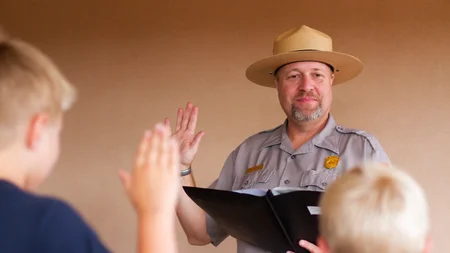
They hand the fabric to the crowd. School groups on field trips, parents, and tourists who happened to show up that morning all take a section of the flag and pull it up the pole together.
A Fort Built for Sharing the Moment
In the evening, rangers lower the big flag and raise a smaller 17-by-25-foot storm flag, an all-weather flag the park leaves up overnight. The next morning, weather permitting, the giant garrison flag goes back up.
Whoever happens to be visiting that morning gets a section of the flag to hold. Families on vacation, school groups on field trips, and veterans touring the War of 1812 battle site are often standing right there when the rangers ask for hands.
Still Going Up, 212 Years Later
The bombardment that inspired the anthem happened the night of September 13 into the morning of September 14, 1814. Fort McHenry marks the anniversary with Defenders' Day, running September 11 to 13 in 2026, with living history camps, cannon demonstrations, and a community parade through Locust Point.
The original flag has stayed behind climate-controlled glass at the Smithsonian for more than a century. Its replica has no such protection. It goes up over the ramparts every morning the weather allows, and whoever is standing on the lawn gets to raise it.
Frequently Asked Questions
How big was the flag that inspired the national anthem?
Where is the original Star-Spangled Banner flag today?
Can visitors help raise the flag at Fort McHenry?
Why does Fort McHenry cancel the flag ceremony sometimes?
What is Defenders Day at Fort McHenry?
Verified Fact
Verified Sep 7, 2026 · 5 sources checked
Source: National Park ServiceShow verification details
Claims checked
- The 1814 flag was 30 by 42 feet with 15 stars and 15 stripes
- Fort McHenry runs a daily flag change at 10 a.m., weather permitting, and visitors help raise it
- Neither flag flies in rain or wind outside a 5 to 10 mph range
- The original flag has hung at the Smithsonian for over a century
- Grace Wisher, who helped sew the flag, was a free indentured servant, not enslaved
- Defenders' Day 2026 runs September 11 to 13
Sources: National Park Service (Fort McHenry)
Related Topics
More from History & Culture
View all History & Culture →