
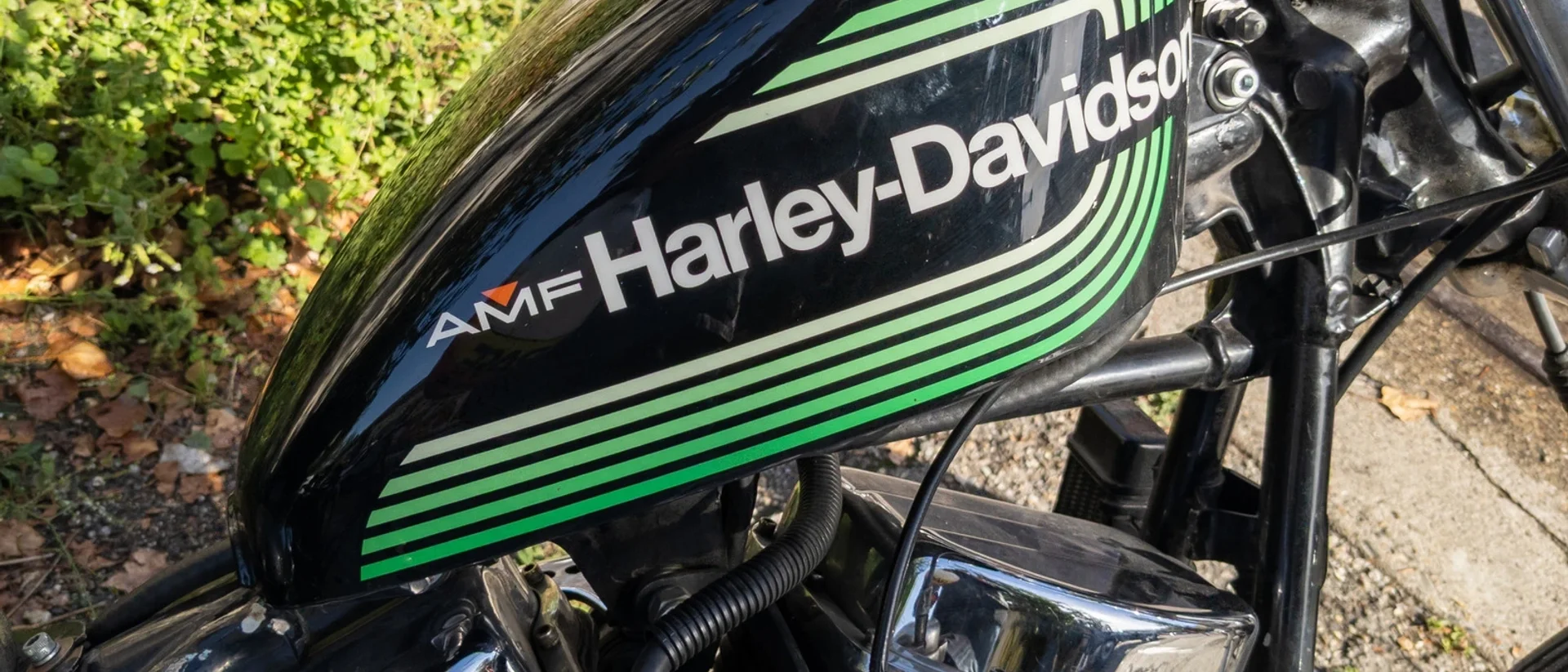
Harley-Davidson was bought in 1969 by AMF - a company best known for bowling equipment. They nearly quintupled output. Oil leaks, bad welds, and faulty electrics became routine. Riders called them "Hardly Ableson." Harley's market share fell from 80% to under 20%. In 1981, 13 executives led an $81.5 million buyout - and rode their Harleys to Milwaukee to celebrate. They rebuilt the American icon.
The Bowling Company That Nearly Killed Harley-Davidson
In 1969, Harley-Davidson was in trouble. The company was losing ground to a wave of cheaper, more reliable Japanese motorcycles and needed a financial lifeline. American Machine and Foundry - AMF - stepped in with a buyout. AMF was best known for making bowling balls, tennis rackets, and recreational equipment. What followed was one of the most dramatic near-deaths in American brand history.
Volume Over Quality
AMF's strategy was simple: make more bikes. Production was ramped from roughly 15,000 motorcycles per year in the mid-1960s to nearly 70,000 by the mid-1970s. The factories could not keep up. Oil leaks became standard. Welds were shoddy. Electrical systems failed regularly. By some accounts, as many as 30 percent of bikes coming off the line were incomplete and had to be finished by dealers. Riders started calling them "Hardly Ableson," "Hardly Driveable," and "Hogly Ferguson." One of those last nicknames - shortened to "Hog" - would later become a term of pride, but at the time it was pure insult.
The Brand Nearly Died
Japanese manufacturers like Honda, Kawasaki, and Yamaha offered bikes that simply ran better and cost less. Harley's share of the super-heavyweight motorcycle market fell from around 80% in 1969 to under 20% by the early 1980s. AMF put the company up for sale. There were no buyers. Harley-Davidson was close to being shut down entirely.
13 Executives Buy It Back
In February 1981, a group of 13 senior Harley-Davidson executives - led by Vaughn Beals and Willie G. Davidson, grandson of company co-founder William A. Davidson - pulled off an $81.5 million leveraged buyout. They bought their own company back from the corporation that had nearly destroyed it.
To celebrate independence, the executives rode their Harleys from the York, Pennsylvania factory to the Milwaukee headquarters - a ride of several hundred miles. It became one of the most symbolic moments in American motorcycle history.
The Tariff That Helped - and That Harley Gave Back
Recovery was still far from guaranteed. In 1983, Harley successfully lobbied the Reagan administration for a 45% tariff on imported Japanese motorcycles over 700cc - a sliding-scale protection that bought time for the company to rebuild quality through lean manufacturing and tighter production controls. By 1987, Harley had recovered so strongly that it asked the government to end the tariff a year early. The company that had been on the brink voluntarily gave up government protection because it no longer needed it.
The Comeback
By the mid-1980s, Harley's market share was climbing again. The AMF-era logo - with the AMF name printed beneath the Harley-Davidson shield - became a symbol of a dark chapter the brand had survived. Today the AMF years are a cautionary tale taught in business schools: volume without quality kills even the most iconic brands. The 13 executives who rode to Milwaukee in 1981 saved an American institution.
Enjoyed this? Get a new fact every morning.
A fascinating fact in your inbox every morning. Free. Unsubscribe anytime.
Frequently Asked Questions
Why did AMF buy Harley-Davidson?
How much did the 1981 Harley-Davidson buyback cost?
Why were AMF Harleys considered poor quality?
What did riders call Harleys during the AMF era?
What was the 1983 motorcycle tariff?
Verified Fact
Verified Jun 13, 2026 · 8 sources checked
Source: MotorBiscuitShow verification details
Claims checked
- AMF bought Harley-Davidson in 1969
- Output rose from 15,000 to 70,000 bikes, nearly quintupled (not tripled)
- Oil leaks, bad welds, and faulty electrics were common
- Market share fell from 80% to under 20%
- Buyout price corrected to $81.5 million; 13 executives led it
Sources: FundingUniverse, Wikipedia, MotorBiscuit, Encyclopedia.com, InfoMoto, Strategos Inc, DaveManuel, NW HOG