Li Ching-Yuen was a Chinese herbalist who became famous for claims he lived to be 256 years old (1677-1933). While his extreme longevity is almost certainly legend, he was a real person who became a celebrity in 1920s China, with newspapers reporting the Qing government had congratulated him on his 150th and 200th birthdays.
The Man Who Claimed to Live 256 Years
In 1928, a New York Times headline announced the death of Li Ching-Yuen, a Chinese herbalist who had supposedly lived for 256 years. According to the reports, he had been born in 1677 during the Qing Dynasty and witnessed the entire rise and fall of empires, the invention of electricity, and the dawn of the modern age.
It's an absurd claim. And yet, Li Ching-Yuen was absolutely a real person—one who became a genuine celebrity in 1920s China.
The Legend Takes Shape
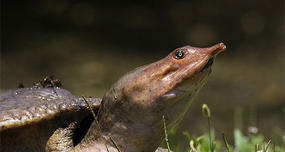
Li claimed to have spent his extraordinarily long life as a herbalist and martial arts practitioner in Sichuan Province. His supposed secrets to longevity? A calm mind, sitting like a turtle, walking sprightly like a pigeon, and sleeping like a dog. He also reportedly consumed goji berries and gotu kola daily.
By the 1920s, stories about Li had spread throughout China. Newspapers breathlessly reported that Qing Dynasty officials had sent him congratulatory letters on his 150th birthday in 1827 and again on his 200th. General Yang Sen even invited Li to his residence and later wrote a book about the encounter.
What We Actually Know
Here's where things get murky. The "official government documents" are referenced constantly but have never been independently verified by historians. Birth records in rural 17th-century China were practically nonexistent.
More likely explanations exist:
- Li may have deliberately exaggerated his age for fame and fortune
- He could have assumed an older relative's identity and birth records
- The stories grew more extreme with each retelling
- Some researchers suggest he was probably around 80-90 at death—still old, but not supernatural
Why People Believed
The timing mattered. In the 1920s and 30s, Western media was hungry for "mysterious Orient" stories. A 256-year-old Chinese sage selling ancient wisdom fit the narrative perfectly. Meanwhile, in China, Li represented a connection to traditional medicine and practices during a period of rapid modernization.
The legend persists today. Li Ching-Yuen appears constantly in longevity articles, alternative medicine forums, and social media. His dietary advice gets recycled without the crucial asterisk: this man almost certainly did not live to 256.
The Real Takeaway
Li Ching-Yuen's story tells us less about human longevity than about human gullibility—and our eternal hope that someone, somewhere, has cracked the code to living forever. The oldest verified human lifespan remains Jeanne Calment's 122 years, which already seems miraculous enough.
Whether Li was a deliberate con artist, a victim of record confusion, or simply a very old man whose story snowballed beyond recognition, he achieved something remarkable: nearly a century after his death, people are still talking about him. In a way, he did find immortality.
Frequently Asked Questions
Did Li Ching-Yuen really live to 256 years old?
What is the oldest verified human lifespan?
What did Li Ching-Yuen say was his secret to longevity?
Is there proof of the Chinese government congratulating Li Ching-Yuen?
Why do people still believe Li Ching-Yuen lived so long?
Verified Fact
This fact has been reviewed and verified against original sources.
Show verification details
Corrected to emphasize the claim is unverified legend rather than presenting lifespan as fact. The 1827 congratulatory document claim is widely repeated but not independently verified.