
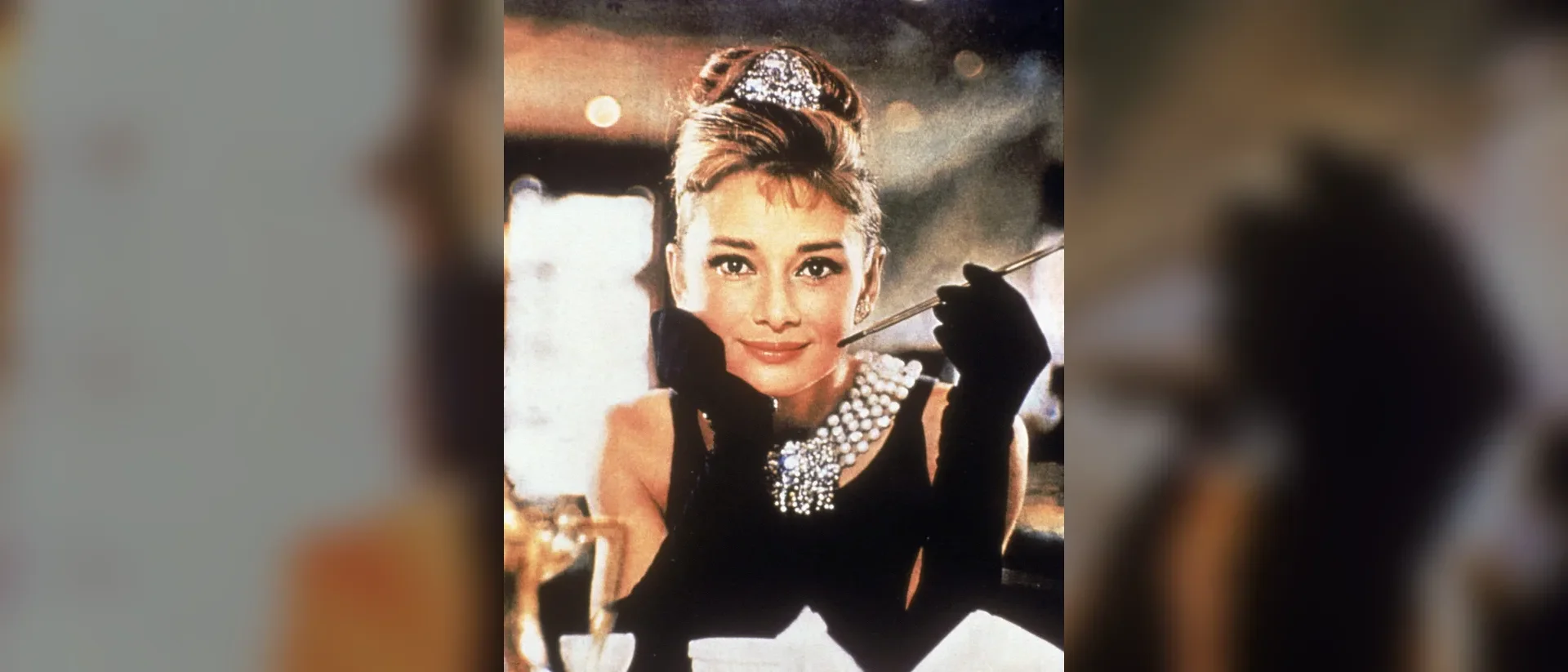
Audrey Hepburn was a teenager in Nazi-occupied Netherlands. She secretly danced in ballet recitals to fund the Dutch resistance. The rooms stayed blacked out, but nobody clapped. Applause could bring German soldiers running, so audiences stayed silent. Hepburn also hid resistance notes inside her wooden shoes. That starving teenage courier grew up to become a beloved icon and a lifelong UNICEF ambassador.
Why No One Ever Clapped for Teenage Audrey Hepburn
Long before she became one of the most photographed women on earth, Audrey Hepburn was a terrified teenager pedaling a bicycle past German checkpoints with illegal newspapers stuffed inside her wooden shoes.
A Ballerina Studies Under Nazi Occupation
In 1939, ten year old Audrey moved with her mother, Baroness Ella van Heemstra, to the family estate near Arnhem in the Netherlands. Her mother believed the country would stay neutral, just as it had in the First World War. Instead, Germany invaded in 1940, and Audrey spent the rest of the war living in the town of Velp, just outside Arnhem, studying ballet at the Arnhem Conservatory under teacher Winja Marova.
The Black Evenings
By 1944, Hepburn had become skilled enough to help the local resistance in an unusual way. She performed at illegal fundraising concerts known as zwarte avonden, or "black evenings," held in private homes with the windows blacked out so no light would attract German attention.
Guards were posted outside to warn of approaching patrols. Hepburn later described the strange etiquette of these performances: "The best audiences I ever had made not a single sound at the end of my performance." A single clap, she said, was too dangerous.
Messages in Her Wooden Shoes
Hepburn also worked as a courier for Dr. Hendrik Visser 't Hooft, a local resistance leader. Her fluency in English, Dutch, and German made her useful for passing information, and her youth helped her avoid suspicion.
She later recalled hiding copies of the underground newspaper inside her clothing: "I stuffed them in my woolen socks in my wooden shoes, got on my bike and delivered them." She is also reported to have helped shelter a British paratrooper during the Battle of Arnhem in September 1944.
The Hunger Winter
The following winter brought the Hongerwinter, or Hunger Winter, one of the worst famines in modern Dutch history. Food and fuel shipments were cut off, and Hepburn, along with millions of her countrymen, went days without eating. She developed malnutrition, anemia, and jaundice that affected her health for the rest of her life.
From Starving Teenager to UNICEF Ambassador
The Netherlands was liberated in May 1945, and Hepburn's ballet training eventually carried her toward acting and international stardom. But she never forgot the aid that reached her as a hungry teenager.
In 1988, she became a UNICEF Goodwill Ambassador, telling audiences: "I can testify to what UNICEF means to children, because I was among those who received food and medical relief right after World War II."
She spent much of the rest of her life visiting some of the world's poorest regions for UNICEF, work she carried out until shortly before her death in 1993.
Frequently Asked Questions
What did Audrey Hepburn do for the Dutch resistance during WWII?
Why couldn't audiences applaud at Audrey Hepburn's secret recitals?
How old was Audrey Hepburn during the Dutch resistance?
Did Audrey Hepburn suffer during World War II?
How did her wartime experience influence her later humanitarian work?
Verified Fact
Verified Jul 11, 2026 · 4 sources checked
Source: TIMEShow verification details
Claims checked
- Secret ballet recitals with blacked-out windows and posted guards
- Audiences stayed silent, making no sound at the end
- Concerts raised money for the Dutch resistance
- Courier work delivering resistance messages, including in wooden shoes
- Recital and courier year corrected to 1944 (was 1943 and 1944)
Sources: TIME, War History Online, Den of Geek, Aish