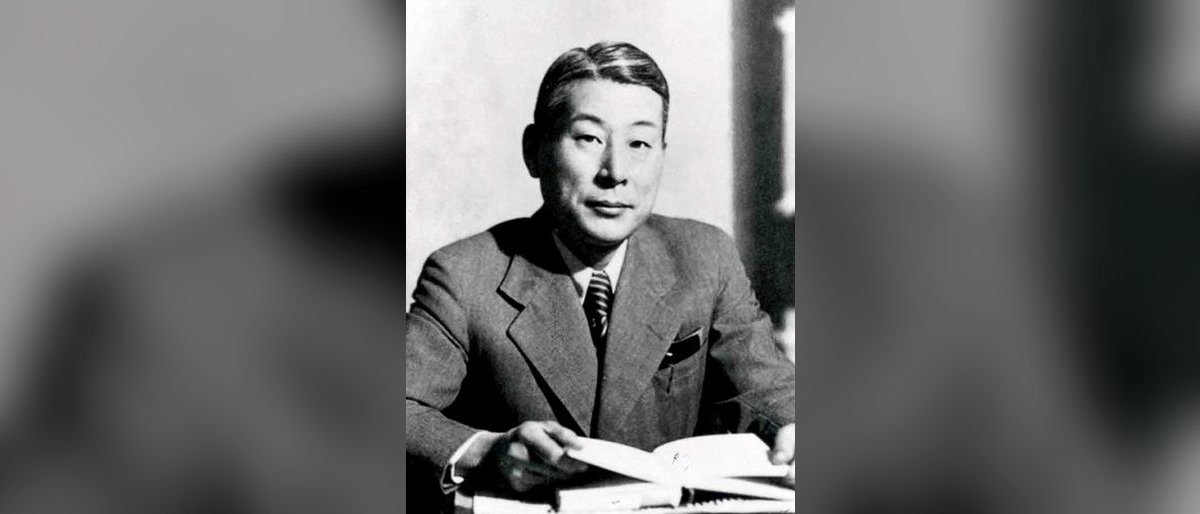
During WWII, Japanese diplomat Chiune Sugihara defied his government to save 6,000 Jewish refugees. He wrote visas by hand for 29 days straight, even throwing them from his train window as he was forced to leave.
The Japanese Schindler: How One Diplomat's Defiance Saved 6,000 Lives
In 1939, a mid-level Japanese diplomat arrived in Lithuania with instructions to monitor German and Soviet troop movements. Within a year, Chiune Sugihara would become the most unlikely hero of the Holocaust—a quiet bureaucrat who chose humanity over orders.
The Refugees at the Gate
On July 18, 1940, Sugihara woke to find hundreds of Jewish refugees crowding outside the Japanese consulate in Kaunas. They were desperate. Nazi Germany had already consumed Poland, and the Soviets were tightening their grip on Lithuania.
The refugees needed transit visas through Japan—their only escape route to freedom. Sugihara cabled Tokyo three times asking for permission. Three times, his government said no.
29 Days of Defiance
On July 31, Sugihara made his choice. He would write the visas anyway.
For the next 29 days, he worked 18-hour shifts, hand-writing hundreds of transit documents. His wife Yukiko massaged his aching hands each night. When the Soviets ordered the consulate closed on September 4, Sugihara didn't stop—he wrote visas in his hotel room, at the train station, and finally from his departing train window, throwing signed documents to refugees running alongside.
The Price of Conscience
The cost was immediate. Japan's Foreign Ministry fired Sugihara in 1947, officially for "downsizing." He spent the rest of his career selling light bulbs door-to-door and working as a translator. For decades, he never spoke publicly about what he'd done.
But the visas worked. An estimated 6,000 Jews escaped the Nazi death machine—more than Oskar Schindler saved. Their descendants now number over 40,000 worldwide.
In 1985, Israel named Sugihara Righteous Among the Nations. By then, he was 85 and nearly blind. When asked why he'd risked everything, his answer was characteristically simple: "They were human beings, and they needed help." He died the following year, finally recognized for choosing conscience over compliance—a quiet man who proved that one person's defiance can echo across generations.
Enjoyed this? Get a new fact every morning.
A fascinating fact in your inbox every morning. Free. Unsubscribe anytime.
Frequently Asked Questions
How many people did Chiune Sugihara actually save?
Why did Japan force Sugihara to resign after the war?
What happened to the visas Sugihara threw from the train?
Did Sugihara face any punishment from Nazi Germany?
Are there any survivors who personally met Sugihara?
Verified Fact
This fact has been reviewed and verified against original sources.
Source: View sourceShow verification details
Chiune Sugihara's story is well-documented through historical records, survivor testimonies, and his recognition by Yad Vashem.
Related Topics
More from People & Mind
View all People & Mind →