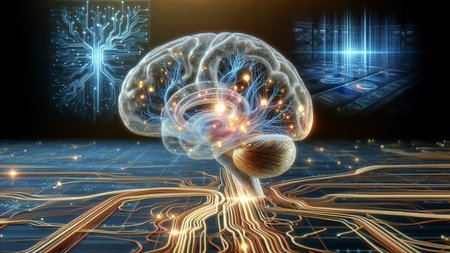
When you get blackout drunk, you don't actually forget anything; your brain wasn't "recording" in the first place.
Blackout Drunk: Your Brain Never Hit Record
If you've ever woken up after a wild night with zero memory of how you got home, you might think you "forgot" what happened. But here's the twist: you can't forget something that was never remembered in the first place. During an alcohol blackout, your brain wasn't recording at all.
When you drink heavily, alcohol floods your hippocampus—the brain region responsible for converting short-term experiences into long-term memories. At a certain blood alcohol level (typically around 0.15% or higher), the hippocampus essentially stops doing its job. You're still conscious, still talking, still making questionable decisions, but your brain has stopped hitting "save."
The Two Types of Blackouts
Not all blackouts are created equal. Fragmentary blackouts (sometimes called "brownouts") leave you with Swiss cheese memory—bits and pieces are there, and someone might be able to jog your memory with details. Complete blackouts, on the other hand, leave nothing. No amount of prompting will bring those moments back because the neural pathway was never constructed.
During a complete blackout, you might seem relatively normal to others. You can hold conversations, send texts, even navigate home. Your procedural memory (how to walk, talk, unlock your phone) is intact. But your episodic memory—the "what happened" recorder—is offline.
Why This Happens
Alcohol interferes with a process called long-term potentiation, which is how your neurons strengthen connections to form memories. Specifically, it blocks NMDA receptors in the hippocampus, which are critical for memory encoding. Without these receptors functioning properly, experiences pass through your consciousness like water through a sieve—present in the moment, gone forever afterward.
Here's what makes blackouts particularly dangerous:
- You have no idea you're in one while it's happening
- You can still engage in risky behavior (driving, unsafe sex, fights)
- There's no warning before you cross the threshold
- Repeated blackouts can cause permanent brain damage
Not the Same as Passing Out
People often confuse blackouts with passing out, but they're completely different. Passing out is when you lose consciousness—your brain shuts down and you collapse. A blackout means you're awake and active, but the record button is off. You might be the life of the party during a blackout and have absolutely no memory of it the next day.
The scary part? There's no reliable way to know your personal blackout threshold until you've already crossed it. Factors like genetics, tolerance, drinking speed, food intake, and even stress levels all influence when your hippocampus taps out.
So next time someone says they "can't remember" last night, they're more right than they know. Those memories don't exist in some locked filing cabinet in their brain. They were never filed at all.
Frequently Asked Questions
What happens to your brain during an alcohol blackout?
Can you recover memories from a blackout?
What's the difference between blacking out and passing out?
At what blood alcohol level do blackouts occur?
Are alcohol blackouts dangerous?
Verified Fact
This fact has been reviewed and verified against original sources.
Show verification details
This is scientifically accurate. Alcohol-induced blackouts occur when alcohol disrupts the hippocampus's ability to form new memories (encoding), not memory retrieval. The memories were never created in the first place.
Related Topics
More from People & Mind
View all People & Mind →