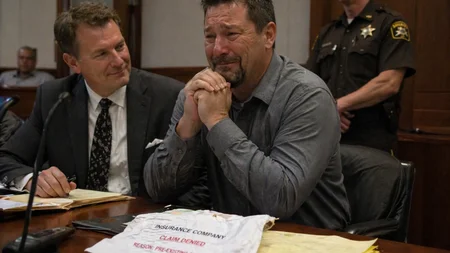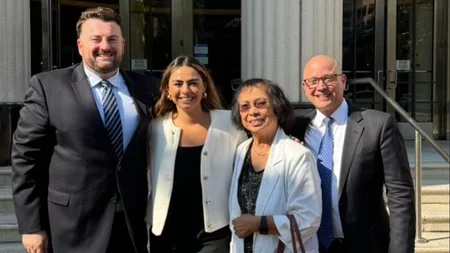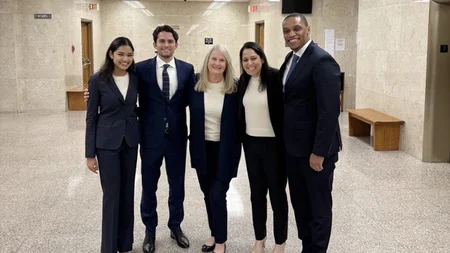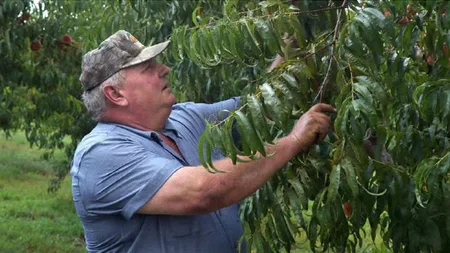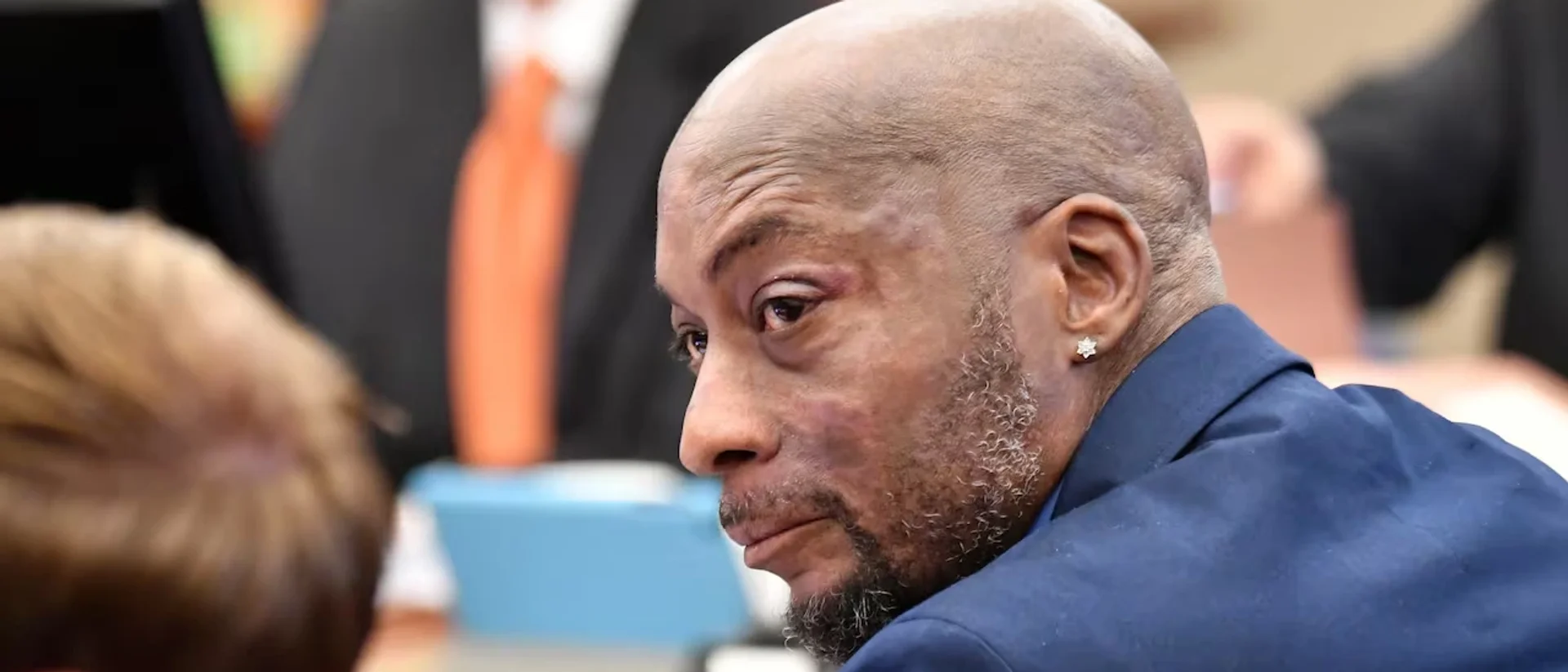
A school groundskeeper spent years mixing and spraying Roundup and was twice soaked to the skin when the equipment failed. When he was diagnosed with terminal non-Hodgkin's lymphoma, he sued Monsanto. A San Francisco jury awarded him $289 million in the first-ever Roundup trial - $250 million of it punitive. The day the verdict landed, Bayer lost $14 billion in stock value.
The Groundskeeper Who Made Monsanto Pay $289 Million
Dewayne "Lee" Johnson spent his working days walking the grounds of the Benicia Unified School District, keeping the fields and pathways clear with hundreds of gallons of Roundup and Ranger Pro herbicide every year. He wore the required gear and followed the label instructions. Monsanto said the product was safe.
Drenched, Twice
Twice, the equipment failed him. In one incident, the hose on his truck snagged a crack in the pavement and tore free from the herbicide tank, sending a fountain of Ranger Pro soaking him through his protective suit before he could shut it off. A second exposure followed. He filed workplace incident reports both times. Within months of the exposures, he began developing painful lesions across his body.
The Diagnosis
In 2014, at age 42, Johnson was diagnosed with non-Hodgkin's lymphoma - a terminal blood cancer. Doctors told him it was incurable. He had two young sons. In a later op-ed for TIME, he wrote: "I won a historic lawsuit, but may not live to get the money." Aware his time was limited, his legal team filed for priority trial status on compassionate grounds.
The First Trial
Johnson v. Monsanto Co. became the first Roundup case to go to trial - a bellwether proceeding that would determine the course of tens of thousands of similar claims. Over weeks of testimony, the jury heard from Johnson, reviewed internal company documents, and weighed the scientific evidence. On August 10, 2018, the San Francisco jury returned its verdict: $39.25 million in compensatory damages and $250 million in punitive damages - a total of $289 million - finding that Monsanto had failed to warn Johnson and other consumers about the risks associated with Roundup.
The Fallout
The day after the verdict, Bayer - which had completed its $63 billion acquisition of Monsanto just two months earlier - watched its stock drop more than 10 percent, wiping roughly $14 billion from its market value in a single trading session. The punitive award was later reduced: Johnson accepted $78.5 million in November 2018, and a 2020 appeals court further reduced the total to $20.5 million, which he received in late 2020. Bayer ultimately settled tens of thousands of similar Roundup claims for approximately $11 billion.
He Outlived the Prognosis
Johnson was given a terminal prognosis at the time of trial. He has since outlived every medical forecast. As of 2023, he was still living in Napa, California with his wife Araceli and their two children - described by those who know him as a musician and a quiet advocate for pesticide awareness. The documentary Into the Weeds tells his story. His case remains the landmark that opened one of the largest product-liability pipelines in American legal history.
Enjoyed this? Get a new fact every morning.
A fascinating fact in your inbox every morning. Free. Unsubscribe anytime.
Frequently Asked Questions
Who is Dewayne Lee Johnson and why is he famous?
How much did Dewayne Johnson actually receive from Monsanto?
How was Dewayne Johnson exposed to Roundup?
What happened to Bayer after the Monsanto Roundup verdict?
Is Dewayne Lee Johnson still alive?
Verified Fact
Verified Aug 10, 2018 · 4 sources checked
Source: Wikipedia - Johnson v. Monsanto Co.Show verification details
Claims checked
- $289M jury award, including $250M punitive
- Bayer stock lost about $14B after verdict
- Groundskeeper soaked when hose snagged and sprayed through suit
- Punitive award later reduced, final total $20.5M
Sources: Wikipedia, Washington Post, CNBC, Modern Farmer
Related Topics
More from People & Mind
View all People & Mind →