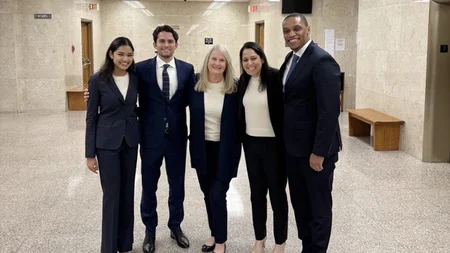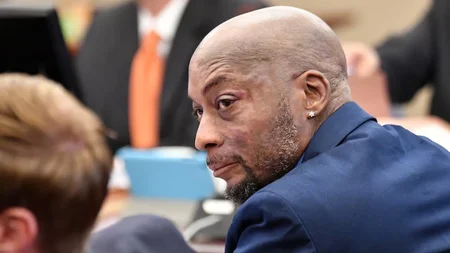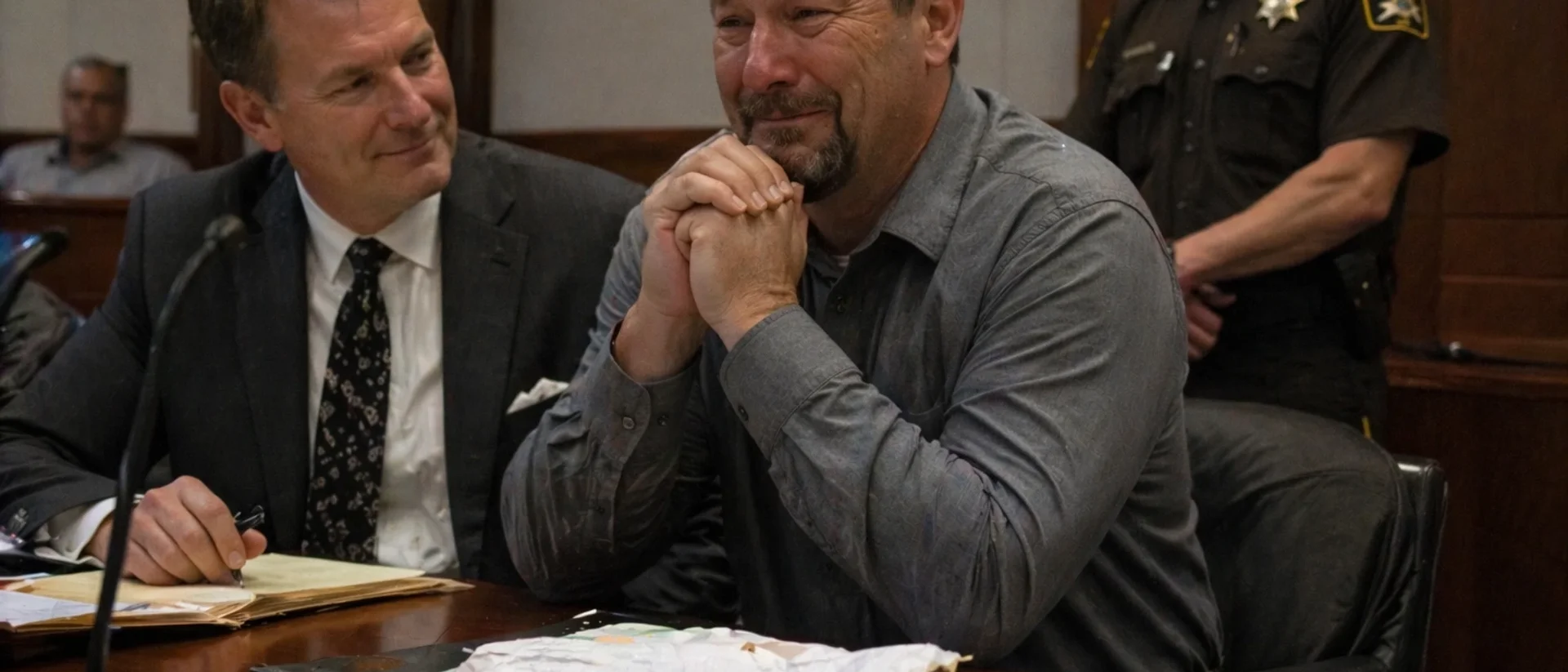
After a truck smashed into Timothy Kuhn's stationary car at 45 mph, his own insurer USAA - which had already ruled him not at fault - offered him $10,000 for a traumatic brain injury. Then they intervened in his lawsuit and argued the crash was HIS fault. Days before trial they finally offered the full $250,000 policy limit. The jury gave him $114 million instead.
His Own Insurer Offered $10K Then Blamed Him. Jury: $114 Million.
Timothy Kuhn had been paying USAA premiums for 17 years. When a Ford F-150 rear-ended his stationary BMW at 45 mph and left him with a traumatic brain injury, he expected his insurer to have his back. Instead, he got a lesson in how some insurance companies treat loyal customers when the bill gets expensive.
The Crash Nobody Disputed
The 2018 collision in Nevada was straightforward. Kuhn was sitting in stopped traffic. A pickup truck doing 45 mph hit him from behind. USAA reviewed the evidence and confirmed what was obvious: the other driver, Hector Cervantes-Andrade, was 100% at fault. Kuhn walked away with neck and back injuries - and symptoms that pointed to something harder to see: a traumatic brain injury. Memory loss. Headaches. Loss of smell. Difficulty with executive function. He consulted neurologists across multiple states.
The $10,000 Offer
With medical bills piling up, Kuhn turned to USAA. The company that had already determined he was not at fault offered him $10,000. For a traumatic brain injury. From a crash their own investigation said was not his doing. His attorneys at Bighorn Law called it what it was: a lowball. He rejected it and sued the at-fault driver directly - which is exactly what the legal system exists for.
Then USAA Switched Sides
This is where things took a turn. USAA - his own insurer, the company collecting his premiums - intervened in his lawsuit against the other driver and argued that Kuhn was partially responsible for the crash. The same company that had ruled him blameless now hired two expert witnesses who testified his traumatic brain injury was not real. As his attorney Kimball Jones later put it: "USAA knew whose fault it was while they were blaming Tim."
USAA markets itself heavily to military families and veterans, built on a promise of loyalty and service. Kuhn was a 17-year policyholder. The company's position in court was that the person paying them monthly for nearly two decades had faked a brain injury from a crash they had already ruled he did not cause.
Days Before Trial: A Change of Heart
With the case heading to a Clark County, Nevada courtroom in January 2025, USAA finally offered the full $250,000 policy limit - the number Kuhn had been entitled to from the start. It came days before opening arguments. He turned it down.
What the Jury Said
The jury took a different view of USAA's conduct. They awarded $14 million in compensatory damages and $100 million in punitive damages - the punitive figure specifically designed to punish a company the jury believed had acted in deliberate bad faith against its own customer. Total: $114 million. That is 11,400 times the original offer. USAA said it "respectfully disagrees with the verdict" and is expected to appeal.
Enjoyed this? Get a new fact every morning.
A fascinating fact in your inbox every morning. Free. Unsubscribe anytime.
Frequently Asked Questions
What happened in the Timothy Kuhn vs USAA lawsuit?
How much did the jury award Timothy Kuhn against USAA?
What is insurance bad faith?
Did USAA appeal the $114 million verdict?
How long had Timothy Kuhn been a USAA customer?
Verified Fact
Verified via Insurance Business
Source: Insurance BusinessShow verification details
com), CVN blog, and Property Casualty 360. Core facts confirmed: 2018 collision, $10K initial offer, USAA intervened to argue Kuhn was at fault, hired experts to claim TBI was not real, offered $250K days before trial, jury awarded $14M...
Related Topics
More from People & Mind
View all People & Mind →