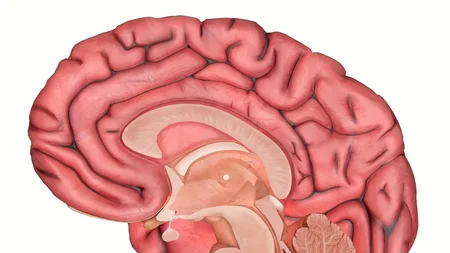
The chills you sometimes feel when listening to music is called "musical frisson."
The Science Behind Your Musical Chills
That tingling sensation, those sudden goosebumps, the shiver running down your spine when a powerful piece of music hits just right – it's a common and captivating experience. This phenomenon has a name: musical frisson. It's more than just a fleeting feeling; it's a complex interplay between your brain, your body, and the sound waves washing over you.
While often called 'musical frisson,' the broader scientific term is simply frisson. You might also hear it referred to as 'aesthetic chills' or 'psychogenic shivers.' These terms describe a psychophysiological response to emotionally powerful stimuli, and music is one of its most frequent triggers.
What's Happening Inside Your Head?
When you experience musical frisson, your brain is actively engaged. The sensation is deeply rooted in the brain's reward system. This is the same system that processes pleasure from things like food, love, or even drugs. Music, when particularly moving, can tap into these ancient circuits.
A key player in this reward pathway is dopamine, a neurotransmitter associated with pleasure, motivation, and reward-seeking behavior. Studies show that when individuals experience frisson, there's often a surge in dopamine release, literally flooding the brain with feel-good chemicals.
The Body's Symphony of Responses
The experience isn't just in your head; your body also reacts in distinct ways. The most noticeable physical manifestation is piloerection, more commonly known as goosebumps. This happens when tiny muscles at the base of your hair follicles contract, causing your hairs to stand on end.
This response is controlled by your sympathetic nervous system, which is responsible for the 'fight or flight' response. While listening to music isn't a threat, the intense emotional arousal can activate these primal systems. Other subtle bodily changes can include a temporary increase in heart rate or even pupil dilation.
What Triggers This Musical Magic?
The triggers for musical frisson are often quite specific and predictable across individuals, though the exact pieces of music that cause it vary greatly. Generally, frisson is sparked by moments of unexpected beauty or intensity in a song.
- Sudden changes in volume: A quiet passage exploding into a powerful crescendo.
- Harmonic shifts: Unexpected chord progressions or modulations that create emotional tension and release.
- Entry of a new voice or instrument: The sudden arrival of a soaring vocal line or a dramatic instrument solo.
- Anticipation and resolution: Moments where the music builds suspense before delivering a satisfying conclusion.
These elements create a sense of 'predictive violation,' where the music deviates from what your brain expects, leading to a strong emotional and physical reaction.
Why Don't We All Feel It?
Not everyone experiences musical frisson, or at least not to the same degree. Research suggests that those who are more open to new experiences, more emotionally intelligent, or have a deeper engagement with music are more likely to feel these chills. It may also be linked to individual differences in brain structure and function, particularly within emotional processing centers.
So, the next time a song gives you chills, take a moment to appreciate the intricate dance between art and science. It's a testament to music's profound ability to move us, literally, to our core.
Frequently Asked Questions
What is musical frisson?
Why does music give us chills?
What kind of music causes frisson?
Does everyone experience musical frisson?
Is musical frisson a scientific term?
Verified Fact
This fact has been reviewed and verified against original sources.