In Japan, there's a phone booth called the 'Wind Phone' where people can speak to deceased loved ones. It has received over 30,000 visitors since 2011.
Japan's Wind Phone: Where 30,000+ Talk to the Dead
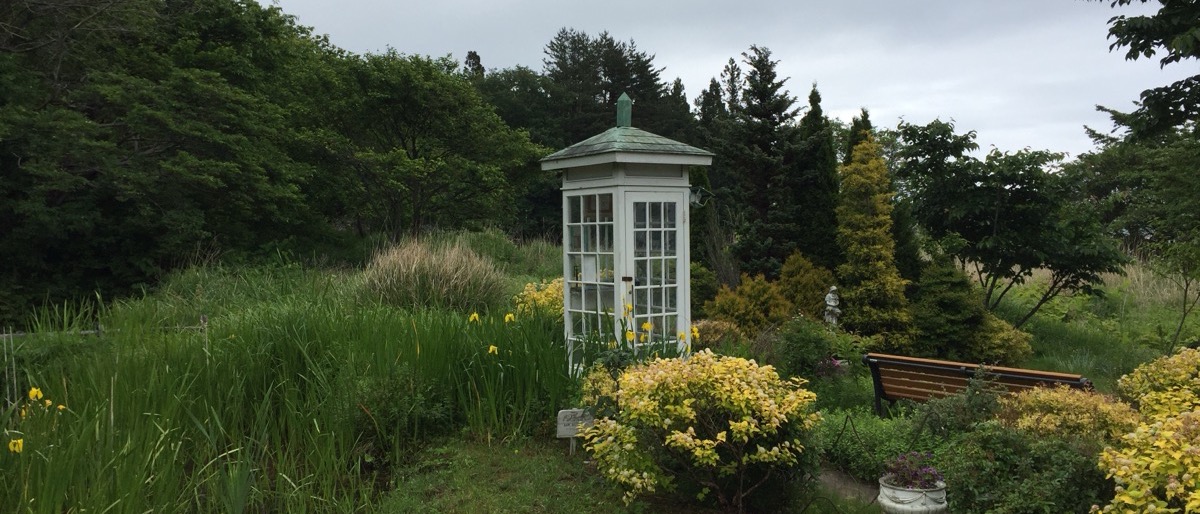
On a quiet hilltop overlooking the Pacific Ocean in Otsuchi, Japan, sits a white phone booth with a disconnected rotary telephone inside. It doesn't receive calls, has no dial tone, and isn't connected to any network. Yet over 30,000 people have traveled here to pick up the receiver and dial.
They're calling the dead.
Born from Personal Grief
Garden designer Itaru Sasaki created the Wind Phone (Kaze no Denwa) in December 2010 after losing his cousin. Unable to process his grief through conventional means, he installed an old black rotary phone in a glass booth in his garden. "Because my thoughts couldn't be relayed over a regular phone line, I wanted them to be carried on the wind," Sasaki explained.
The phone sat in his private garden for just a few months. Then catastrophe struck.
The 2011 Tsunami Changes Everything
On March 11, 2011, a magnitude 9.0 earthquake triggered a devastating tsunami that hit Japan's northeastern coast. Thirty-foot waves slammed into Otsuchi, killing nearly 10% of the town's population—over 800 people in a matter of minutes. More than 15,000 died across the Tōhoku region.
Sasaki's hilltop phone booth survived. And suddenly, his private space for processing grief became something thousands of others desperately needed.
He opened the Wind Phone to the public.
What Happens Inside
Visitors climb the hill, step into the booth, and close the door. Inside they find:
- A black disconnected rotary telephone on a metal shelf
- A notebook for written messages
- Complete privacy in the glass-paned booth
- A view of the ocean that took so many lives
People dial phone numbers that will never connect. They speak to parents, children, spouses, friends. They share news about grandchildren who were never met, apologize for things left unsaid, or simply say "I miss you."
Some visitors spend two minutes inside. Others stay for an hour. Many leave in tears.
10,000 Visitors in Three Years
Within three years of the 2011 disaster, 10,000 people had made the pilgrimage to this remote hilltop. The count has since exceeded 30,000 visitors from around Japan and across the world. They come for tsunami victims, but also for loved ones lost to illness, accidents, suicide, or old age.
The Wind Phone became something larger than its creator intended—a physical space where the Japanese cultural reluctance to openly display grief could be temporarily suspended. Inside that booth, people could cry, rage, apologize, and love without judgment.
A Global Movement
The concept has spread worldwide. Wind Phone replicas now exist in the United States, Canada, and Europe. The original inspired novels, documentaries, and films. But none carry quite the same weight as the white booth on the hilltop in Otsuchi, where the wind still carries 30,000 conversations to those who can no longer answer.
Sasaki keeps the phone booth maintained and open to visitors year-round, free of charge. Because some calls, he believes, are too important to ever disconnect.
Frequently Asked Questions
Where is the Wind Phone in Japan located?
Does the Wind Phone actually work?
Why was the Wind Phone created?
How many people have visited the Wind Phone?
Are there other Wind Phones around the world?
Verified Fact
This fact has been reviewed and verified against original sources.
Source: View sourceShow verification details
The Wind Phone (Kaze no Denwa) is a real phone booth in Otsuchi, Iwate Prefecture, Japan.
Related Topics
More from Places & Culture
View all Places & Culture →