The Japanese pilot who attacked a town in Oregon during WW2 returned years later to present his family's 400-year-old samurai sword to the city as a symbol of regret.
The Enemy Pilot Who Returned With His Family's Sword
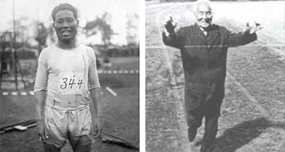
On September 9, 1942, Nobuo Fujita became the only Axis pilot to successfully bomb the continental United States during World War II. Flying a floatplane launched from a Japanese submarine off the coast of Oregon, he dropped incendiary bombs near the town of Brookings, hoping to ignite massive forest fires that would divert American resources from the Pacific Theater. The mission largely failed—recent rain had dampened the forests, and a small fire was quickly extinguished by the U.S. Forest Service.
But this wasn't the end of Fujita's story with Brookings. It was just the beginning.
An Invitation That Divided a Town
Twenty years later, in 1962, the Brookings Jaycees extended an extraordinary invitation to Fujita: return to Oregon for the anniversary of the bombing. The proposal immediately split the community. Some saw it as an opportunity for reconciliation and international friendship. Others viewed it as an insult to veterans and families who had suffered during the war. The controversy was so heated it attracted national attention—even President John F. Kennedy weighed in, supporting the gesture as a step toward peace.
Fujita accepted, but he prepared for the worst. In his luggage, he carried his family's 400-year-old samurai katana—the same sword he had brought on his bombing missions. If the townspeople met him with hostility, he was prepared to commit seppuku (ritual suicide) as a matter of honor.
A Gesture That Changed Everything
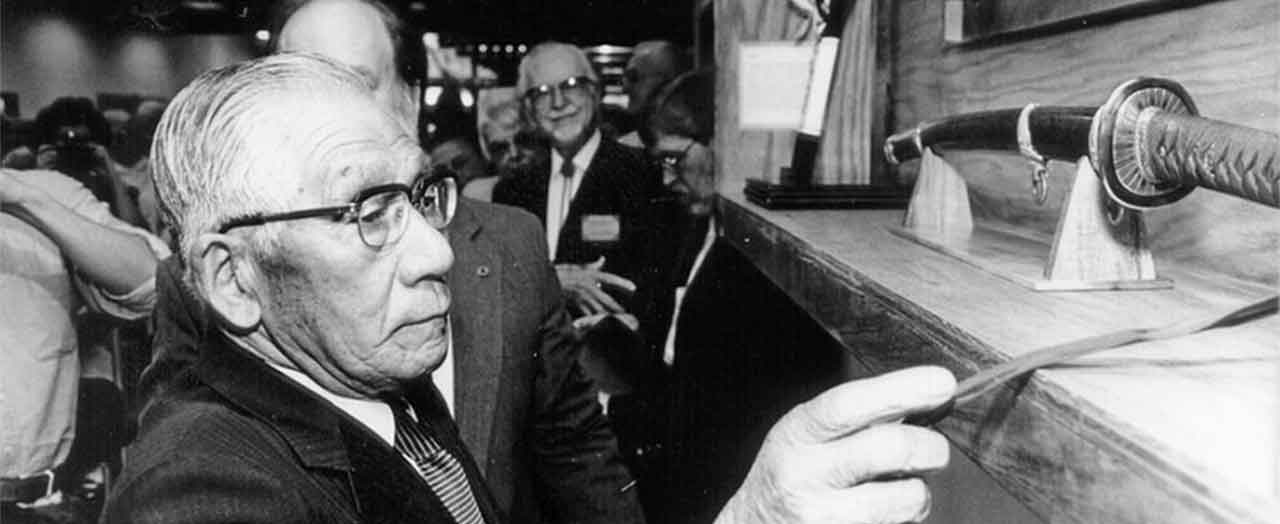
What Fujita encountered was the opposite of what he feared. The people of Brookings welcomed him with warmth and respect. Moved by their kindness, Fujita made a decision that shocked everyone: he presented the town with his ancestral sword.
"It's in the finest of samurai traditions," he explained, "to pledge peace and friendship by submitting the sword to a former enemy."
The sword had been passed down through his family for four centuries. It represented his heritage, his honor, and his warrior lineage. By giving it away, Fujita was offering the most profound apology he could make.
A Friendship That Lasted Decades
The 1962 visit wasn't a one-time gesture. Fujita was made an honorary citizen of Brookings, and he returned multiple times over the years. His relationship with the town deepened in remarkable ways:
- In 1985, despite his company going bankrupt, he co-sponsored three female students from Brookings-Harbor High School to visit Japan
- In 1992, at age 85, he returned to plant a tree at the bombing site—a coastal redwood he called "a symbol of friendship and peace"
- He maintained correspondence with Brookings residents until his death in 1997
The sword itself remains on public display at the Chetco Public Library in Brookings, where visitors can see this extraordinary artifact of reconciliation.
The Only Bombing of the Continental U.S.
What makes Fujita's story even more remarkable is its historical uniqueness. His mission remains the only aerial bombing of the contiguous United States by an enemy aircraft during WWII. The I-25 submarine that launched his floatplane also achieved another dubious distinction: it torpedoed the SS Fort Stevens in Oregon, making it the only military installation in the continental U.S. to be fired upon during the war.
Yet from this act of war grew one of the most touching reconciliation stories of the 20th century. Fujita transformed from enemy combatant to beloved friend, proving that even the deepest wounds of conflict can heal with courage, humility, and genuine remorse.
Today, the story serves as a powerful reminder that peace isn't just the absence of war—it's the active work of former enemies choosing friendship over hatred, one gesture at a time.
Frequently Asked Questions
Who was the only pilot to bomb the continental United States in WWII?
Why did Nobuo Fujita give his samurai sword to Oregon?
Where is Nobuo Fujita's samurai sword now?
Did Nobuo Fujita's bombing of Oregon cause damage?
What happened when Nobuo Fujita returned to Brookings in 1962?
Verified Fact
This fact has been reviewed and verified against original sources.
Show verification details
Fact is accurate. Nobuo Fujita was the only Axis pilot to bomb the continental United States during WWII (September 9, 1942, near Brookings, Oregon).
Related Topics
More from History & Culture
View all History & Culture →