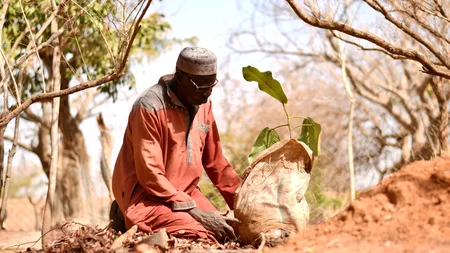
Nearly 60 million Christmas trees are grown each year in Europe.
Europe Grows 60 Million Christmas Trees Every Year
Every December, Europeans bring home approximately 60 million Christmas trees to decorate for the holidays. This massive annual harvest represents a thriving agricultural industry worth billions, with dedicated tree farms across the continent working year-round to meet festive demand.
The 60 million figure marks a consistent upward trend—2022 saw exactly this number sold, representing a 2% increase from the previous year. Unlike what many assume, the vast majority of these trees don't come from wild forests but from specialized Christmas tree farms that plant, cultivate, and harvest trees as a crop, much like any other agricultural product.
The Christmas Tree Powerhouses
Germany dominates European production with an impressive 18 million trees grown annually—nearly a third of the continent's total output. The country's temperate climate and strong agricultural traditions make it the undisputed leader in the Christmas tree business.
Denmark follows as the second-largest producer, growing 10 million trees each year. Danish Christmas trees, particularly the popular Nordmann fir, are exported throughout Europe and have become synonymous with quality. Between 1999 and 2007, Denmark's production jumped from 6-7 million to 10-12 million trees annually, cementing its position as a major exporter.
Other significant producers include:
- France: 6 million trees
- Belgium: 5.2 million trees
- United Kingdom: 4.4 million trees
From Seedling to Living Room
Growing a Christmas tree isn't quick work. Most trees take 7 to 10 years to reach the ideal 6-foot height that fits in an average living room. During that time, farmers must carefully tend their crops, pruning and shaping trees to achieve that perfect conical form everyone expects.
The Nordmann fir has become Europe's most popular variety, prized for its strong branches, excellent needle retention, and pleasant appearance. These trees now account for the majority of sales across the continent, though traditional Norway spruce still holds nostalgic appeal in many regions.
A Growing Green Industry
The European Christmas tree market was valued at approximately €500 million in 2025, with projections showing steady growth of over 3% annually through 2033. Interestingly, consumer preferences are shifting toward more sustainable options—sales of certified organic Christmas trees increased by 32% between 2020 and 2023.
Potted Christmas trees, which can be planted after the holidays, grew in popularity by 28% from 2019 to 2023, with Scandinavian countries and Germany leading this eco-conscious trend. These living trees offer families a way to enjoy holiday traditions while minimizing environmental impact.
Europe vs. America
While 60 million trees might sound like a lot, Europe's demand actually exceeds that of the United States, where approximately 35 million real trees are sold annually. With about 50 million households purchasing trees in Europe compared to fewer American buyers, the tradition of real Christmas trees remains stronger across the Atlantic.
So when you're admiring a Christmas tree this season—whether in Berlin, Brussels, or Birmingham—there's a good chance it came from one of those 60 million trees grown specifically for the occasion, representing nearly a decade of careful cultivation and a multi-billion-euro industry that keeps the holiday spirit alive.
Frequently Asked Questions
How many Christmas trees are grown in Europe each year?
Which country produces the most Christmas trees in Europe?
How long does it take to grow a Christmas tree?
What is the most popular type of Christmas tree in Europe?
Are Christmas trees in Europe grown on farms or cut from forests?
Verified Fact
This fact has been reviewed and verified against original sources.
Show verification details
The figure is accurate. Multiple sources confirm that Europe sells approximately 50-60 million Christmas trees annually, with 2022 data showing 60 million trees sold across Europe, a 2% increase from 2021.
Related Topics
More from Places & Culture
View all Places & Culture →