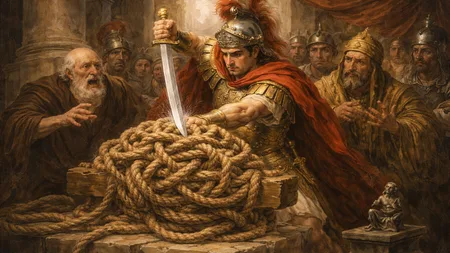
The system of democracy was introduced 2,500 years ago in Athens, Greece.
Democracy's Dawn: Ancient Athens' Enduring Gift
The concept of democracy, a system of government by the whole population or all the eligible members of a state, typically through elected representatives, has roots stretching back to ancient times. Indeed, the foundational principles of this revolutionary political system were first put into practice approximately 2,500 years ago in the vibrant city-state of Athens, Greece.
This pioneering experiment in self-governance laid the groundwork for many of the democratic ideals we recognize today.
The Birth of Rule by the People
While various forms of communal decision-making existed prior, it was in Athens that the most recognizable form of democracy emerged. Its inception is largely credited to the statesman Cleisthenes, who, around 508 BCE, introduced a series of reforms that fundamentally restructured Athenian society and politics.
These reforms aimed to break the power of aristocratic families and foster a more unified citizenry. Cleisthenes reorganized citizens into ten new tribes, diluting old loyalties and encouraging participation across different regions of Attica.
How Athenian Democracy Operated
Athenian democracy was a direct democracy, meaning citizens participated directly in decision-making, rather than through elected representatives. The cornerstone of this system was the Ekklesia, or Assembly.
- The Assembly (Ekklesia): All male citizens over the age of 18 could attend and vote on laws, declare war, make treaties, and elect officials. Meetings were held regularly on the Pnyx hill, and important decisions required the attendance of thousands of citizens.
- The Council of 500 (Boule): This body prepared legislation for the Assembly and oversaw daily administrative tasks. Its members were chosen by lot (a process called sortition) from each of the ten tribes, ensuring broad representation and preventing any one faction from dominating.
- The Courts (Dikasteria): Juries, often numbering in the hundreds or thousands, were also selected by lot. Citizens served as both judge and jury, hearing cases and delivering verdicts.
The use of sortition was a distinctive feature, reflecting the belief that all citizens were capable of governing and that this method prevented corruption and the formation of political parties.
A Democracy with Limitations
While groundbreaking, Athenian democracy was not inclusive by modern standards. Participation was restricted to free-born adult men who had completed military training.
Significant portions of the population were excluded:
- Women: Though citizens, women had no political rights and could not participate in the Assembly or hold office.
- Slaves: A substantial part of Athenian society, slaves had no rights and were completely excluded from the political process.
- Metics: Foreign residents, even if they had lived in Athens for generations, were not citizens and therefore could not vote or hold office.
Despite these exclusions, the system represented an extraordinary leap forward in political thought and practice.
The Enduring Legacy
Athenian democracy ultimately lasted for about 185 years, facing periods of oligarchy and foreign domination. However, its influence has been profound and long-lasting.
Philosophers like Plato and Aristotle critically examined Athenian governance, contributing to political theory that still resonates today. The ideas of civic duty, rule of law, and popular sovereignty, nurtured in ancient Athens, have inspired countless movements for democratic governance across millennia. It stands as a powerful testament to the human capacity for self-determination and collective decision-making.
Frequently Asked Questions
When and where did democracy originate?
Who was Cleisthenes and why is he important to democracy?
How did Athenian direct democracy differ from modern democracy?
Who was excluded from participating in Athenian democracy?
What is the lasting legacy of Athenian democracy?
Verified Fact
This fact has been reviewed and verified against original sources.