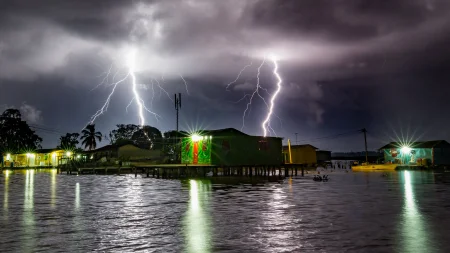
9 out of 10 lightning strike victims survive!
9 Out of 10 Lightning Strike Victims Actually Survive
Getting struck by lightning sounds like a death sentence, right? Actually, about 90% of people who are hit by lightning survive. While roughly 20 people die from lightning strikes each year in the United States, hundreds more walk away from the experience—though "walk away" doesn't tell the whole story.
The real question isn't whether you'll survive. It's what happens after.
Survival Doesn't Mean Unscathed
Here's the catch: up to 74% of lightning strike survivors live with some form of permanent disability. That's three out of four people who survive but never fully recover. The injuries range from minor to life-altering, and some don't show up until days or weeks after the strike.
Lightning is primarily an injury to the nervous system. When millions of volts course through your body in a fraction of a second, your brain and nerves take the brunt of the damage. Many survivors deal with chronic pain from nerve damage, along with cognitive issues similar to what football players experience after repeated concussions.
The Long List of Long-Term Effects
The most common lasting problems include:
- Memory problems and difficulty concentrating
- Chronic pain from nerve damage
- Sleep disturbances and persistent fatigue
- Depression, anxiety, and PTSD
- Hearing loss and ringing in the ears
- Vision problems, including cataracts
- Personality changes and mood disorders
Some survivors need care for the rest of their lives. Others see symptoms gradually fade, but many never return to how they were before the strike. These problems interfere with work, relationships, and daily life in ways that aren't immediately obvious to people who haven't experienced them.
Why Survival Rates Are So High
You might wonder how anyone survives millions of volts. The key is that lightning strikes are incredibly brief—often lasting less than a millisecond. Most of the electrical current flashes over the outside of your body rather than traveling through it. Your clothes can literally explode off you as moisture vaporizes instantly.
That said, even a partial strike is serious. Direct strikes account for only about 3-5% of injuries. Most people are hurt by ground current (when lightning hits nearby and travels through the earth), side splash (when it jumps from a struck object to you), or contact injury (touching something that's struck).
The Numbers Keep Improving
Lightning deaths have dropped dramatically over the past century. In the early 1900s, hundreds of Americans died annually from lightning. Better weather forecasting, improved safety education, and fewer people working outdoors have all contributed to the decline.
In 2024, there were just 12 direct lightning fatalities in the U.S.—a record low. But hundreds more were injured, and many of those survivors are still dealing with the aftermath.
So yes, you'll probably survive a lightning strike. But the real danger isn't death—it's living with the consequences for years to come.
Frequently Asked Questions
What percentage of lightning strike victims survive?
What are the long-term effects of being struck by lightning?
How many people die from lightning strikes each year?
Why do most people survive lightning strikes?
What happens to your body when struck by lightning?
Verified Fact
This fact has been reviewed and verified against original sources.
Show verification details
Accurate. The survival rate is approximately 90% according to NOAA, CDC, and medical research. However, most survivors (up to 74%) experience some form of permanent disability.