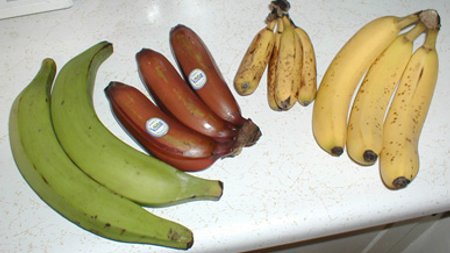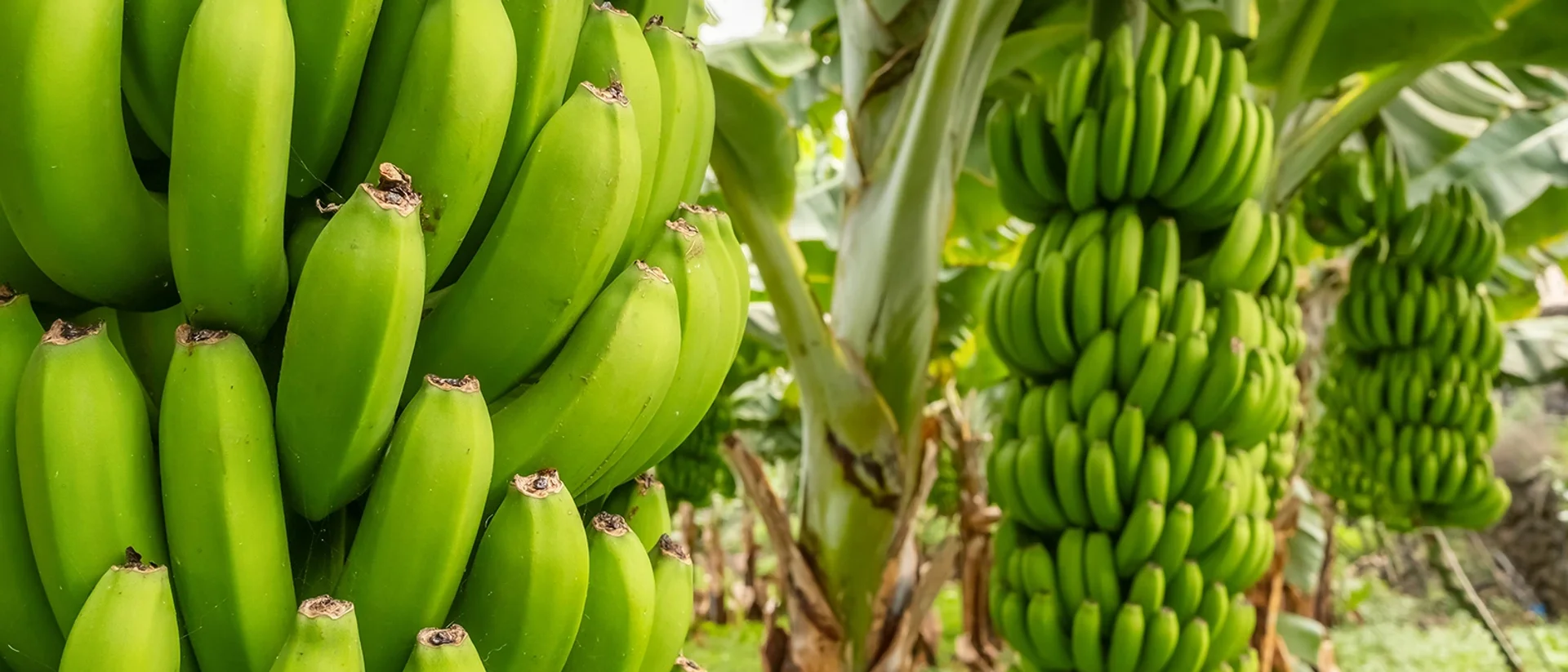
While wild banana varieties can reproduce through seeds, the common cultivated banana plant primarily reproduces asexually through suckers or rhizomes. For large-scale production, human intervention is essential to propagate these plants, as they rarely produce viable seeds.
The Incredible Human-Helped Life of Banana Plants
When you peel open a banana, you're enjoying the result of a fascinating biological process—one that relies heavily on human intervention. Unlike many fruits that readily spread their seeds to produce new generations, the vast majority of banana plants we encounter today are sterile and depend on us for their continued existence.
This isn't to say banana plants can't reproduce at all. In fact, they have a clever trick up their sleeve, but it's not the seed-based method most plants employ. Instead, cultivated banana plants primarily use a form of asexual reproduction.
The Secret Life of Banana Suckers
Underneath the soil, a banana plant develops a thick, underground stem called a rhizome. From this rhizome, new shoots, known as suckers or 'pups,' emerge. These suckers are essentially clones of the parent plant, genetically identical and ready to grow into new banana trees.
In a natural setting, these suckers would develop around the parent plant, forming a dense clump. While this allows for some self-propagation, it's not efficient for farming. This is where the 'hand of man' becomes indispensable.
Human Intervention: The Key to Banana Abundance
For large-scale commercial banana production, farmers carefully separate these suckers from the parent plant and replant them. This method, known as vegetative propagation, ensures that each new plant is an exact genetic copy of its high-yielding, disease-resistant, or otherwise desirable parent.
Without this careful cultivation, the banana varieties we love—like the ubiquitous Cavendish—would struggle to thrive. Their sterility, a feature often bred for seedless, easy-to-eat fruit, means they can't rely on traditional seed dispersal for reproduction.
- Why no seeds? Cultivated bananas are often triploid, meaning they have three sets of chromosomes, making them infertile and unable to produce viable seeds.
- Wild relatives: In contrast, many wild banana species are diploid, possessing two sets of chromosomes, and produce plenty of hard, viable seeds that allow them to reproduce naturally.
Modern agriculture also employs techniques like tissue culture, where tiny pieces of plant tissue are grown into whole new plants in a laboratory. This advanced method allows for rapid, disease-free propagation, further highlighting the deep reliance of banana cultivation on human ingenuity and effort.
The Banana's Enduring Partnership with Humanity
The relationship between humans and banana plants is a testament to thousands of years of agricultural innovation. From the selection of desirable traits to the active propagation of each new generation, our involvement has shaped the banana into the fruit it is today. So, the next time you enjoy a banana, remember the extraordinary partnership that brought it to your table.
Frequently Asked Questions
How do cultivated banana plants primarily reproduce?
Why do banana plants need human help to reproduce?
Are all banana plants unable to reproduce on their own?
What is vegetative propagation in bananas?
Verified Fact
This fact has been reviewed and verified against original sources.
Source: View sourceShow verification details
Refined the fact to clarify the role of asexual reproduction and human intervention for cultivated bananas, distinguishing from wild varieties.
Related Topics
More from Science & Space
View all Science & Space →