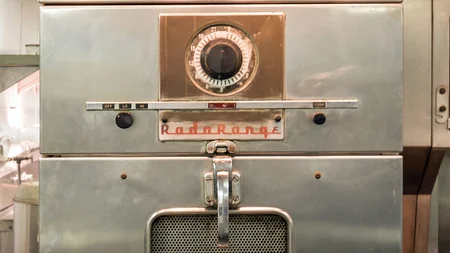
The cigarette lighter was invented before the match.
The Lighter Came Before the Match (Yes, Really)
It seems backwards, doesn't it? Matches feel primitive—just a stick and some chemicals. Lighters seem modern, with their complex mechanisms and fuel chambers. Yet history had other plans. The cigarette lighter beat the match to market by three years.
In 1823, German chemist Johann Wolfgang Döbereiner unveiled his "lamp"—the first legitimate lighter. His contraption wasn't exactly pocket-sized. It used a chemical reaction to produce flammable hydrogen gas, which then flowed over a platinum catalyst. The platinum caused the hydrogen to ignite, creating a steady flame. Clunky? Absolutely. Revolutionary? You bet.
Why Matches Took Longer
The delay wasn't for lack of trying. Inventors had been chasing the self-igniting match dream for years, but early attempts were disasters. An 1805 version required dipping a stick into sulphuric acid—hardly convenient for lighting your pipe. Another design from 1816 involved scraping a sulfur-tipped stick inside a phosphorus-coated tube. It worked, but phosphorus is toxic and unstable.
The breakthrough came in 1826 when English chemist John Walker accidentally scraped a chemical-coated stick across his hearth. It burst into flame. Walker refined the formula and created the first friction match. Still dangerous by modern standards, but finally practical.
The Safety Revolution
Both inventions kept evolving. Safety matches—the ones that only ignite on special striking surfaces—arrived in 1844 thanks to Swedish chemist Gustaf Erik Pasch. Modern lighters got smaller, more reliable, and eventually disposable.
But here's the kicker: lighter technology actually predates both inventions. Modified flintlock pistols from the 1600s could ignite tinder instead of gunpowder. They were essentially fire-starting guns for the wealthy. Döbereiner just made the concept chemical instead of mechanical.
The lesson? Innovation doesn't always follow logical order. Sometimes the "simpler" solution comes last because it's actually harder to perfect. A wooden stick that safely bursts into flame on command required more problem-solving than a hydrogen-powered lamp. Technology is weird like that.
Frequently Asked Questions
When was the lighter invented?
Who invented the first match?
Why was the lighter invented before matches?
When were safety matches invented?
What was Döbereiner's lamp?
Verified Fact
This fact has been reviewed and verified against original sources.
Show verification details
Döbereiner's lighter was invented in 1823, while John Walker invented the first friction match in 1826. The fact is historically accurate.