The Amazing Truth About Turtles Breathing Through Their Butts
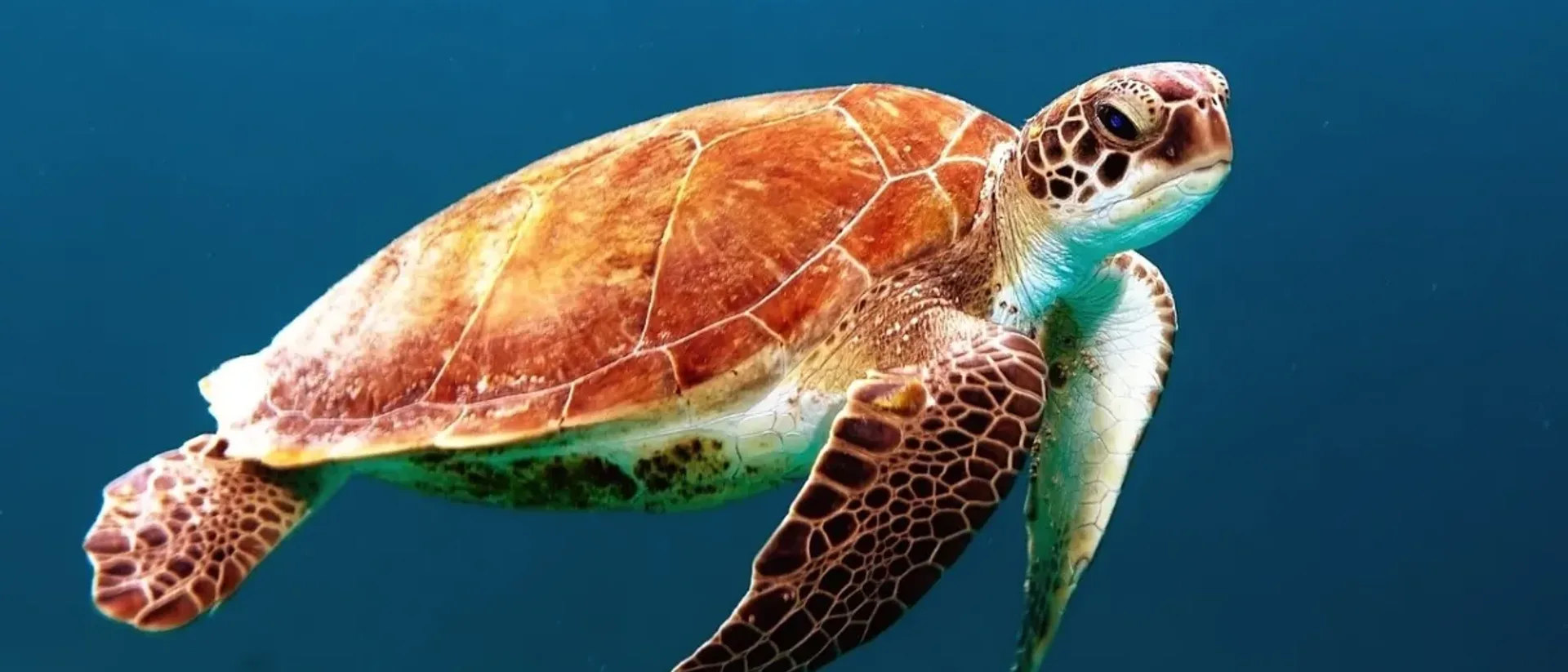
Few things in the animal kingdom spark as much curious disbelief as the notion of an animal breathing through its posterior. Yet, for some fascinating members of the reptilian world, this seemingly bizarre ability is a genuine, life-sustaining reality. We're talking, of course, about certain species of turtles and their unique method of 'butt breathing'.
While it might sound like something out of a fantastical tale, the science behind it is both sound and truly remarkable. This process isn't about using their lungs in an unconventional way, but rather a specialized form of gas exchange known as cloacal respiration.
The Cloaca: More Than Just a Vent
Before we dive into the breathing mechanics, let's clarify what the cloaca is. In many non-mammalian vertebrates, the cloaca is a single, multi-purpose opening. It serves as the exit point for waste products from the digestive and urinary tracts, and it's also used for reproduction and egg-laying.
For some aquatic turtles, however, this versatile orifice takes on an additional, extraordinary function: oxygen absorption. It's a testament to the incredible adaptability of life on Earth.
How Do They Actually 'Breathe'?
The magic of cloacal respiration lies within specialized structures located inside the cloaca itself. These are often referred to as cloacal bursae – thin-walled, sac-like organs that are richly supplied with blood vessels. These bursae are highly vascularized, meaning they have a dense network of capillaries very close to the surface.
When a turtle engages in cloacal respiration, it actively pumps water in and out of its cloaca. As the water passes over these blood-rich bursae, oxygen dissolved in the water diffuses directly into the turtle's bloodstream. Simultaneously, carbon dioxide, a waste product, diffuses out of the blood and into the water, which is then expelled.
- Water Inflow: Turtles draw oxygen-rich water into the cloaca.
- Gas Exchange: Oxygen moves into capillaries; carbon dioxide moves out.
- Water Outflow: Oxygen-depleted, carbon dioxide-rich water is expelled.
Why This Unusual Adaptation?
So, why would an animal evolve such an unconventional method of breathing? The answer lies in survival, particularly in environments where surfacing for air is either dangerous or impractical. Cloacal respiration offers a vital advantage for certain aquatic species.
One of the most significant benefits is observed during brumation. This is a state similar to hibernation, where turtles spend extended periods at the bottom of cold bodies of water. In these frigid conditions, their metabolic rate slows dramatically, reducing their oxygen demand. Cloacal respiration provides just enough oxygen to sustain them without the need to surface, where they would be exposed to predators or harsh weather.
Beyond brumation, this adaptation also allows some turtles to remain submerged for longer durations to:
- Evade predators that hunt on the surface.
- Forage for food in underwater habitats without interruption.
- Navigate strong currents or dense vegetation more easily.
Not a Replacement, But a Supplement
It’s crucial to understand that cloacal respiration is generally a supplemental breathing technique, not a primary one. Even species that utilize this method extensively still possess lungs and must eventually surface to breathe atmospheric air. Lung respiration is far more efficient at extracting oxygen, especially when the turtle's metabolic rate is higher.
The efficiency of cloacal respiration is heavily influenced by water temperature and oxygen levels. Colder water holds more dissolved oxygen, and a reduced metabolic rate means less oxygen is needed. Therefore, 'butt breathing' is most effective under specific environmental conditions.
Other 'Bottom Breathers' in Nature
While turtles might be the most famous example, they aren't alone in employing such unique respiratory strategies. Various other aquatic creatures also exhibit forms of dermal (skin) or cloacal respiration. Some species of frogs and salamanders can absorb oxygen through their moist skin, and certain fish can extract oxygen from water through their gills and even their gut.
Even the humble sea cucumber uses its cloaca for a form of respiration, drawing water into specialized respiratory trees. This highlights a broader theme in evolution: life finds a way, often in the most unexpected and ingenious places.
The fact that some turtles can breathe through their butts is more than just a quirky piece of trivia. It’s a powerful illustration of nature's endless capacity for innovation and adaptation, allowing creatures to thrive in challenging environments through truly extraordinary means.
Frequently Asked Questions
Do all turtles breathe through their cloaca?
Why do some turtles breathe through their butts?
Is cloacal respiration as efficient as lung breathing?
What is the cloaca?
Are there other animals that 'bottom breathe'?
Verified Fact
This fact has been reviewed and verified against original sources.
Source: View sourceShow verification details
The fact is accurate. Some turtle species utilize cloacal respiration, where they exchange gases through specialized structures in their cloaca, often referred to colloquially as 'breathing through their butts'.