Your brain's visual cortex rewires itself if you go blind, repurposing that area to process sound and touch with superhuman precision.
The Superpower Within: How a Blind Brain Rewires Itself
If you go blind, your brain's visual cortex rewires itself, repurposing that area to process sound and touch with superhuman precision. This isn't just adaptation; it's a complete neurological renovation that reveals our mind's hidden potential.
The Brain's Grand Redesign
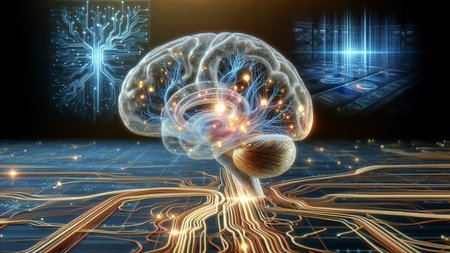
Imagine a bustling city district suddenly losing its main industry. The brain faces a similar crisis when visual input stops. But instead of becoming a ghost town, the visual cortex—a powerful region at the back of your head—gets a dramatic new purpose. Neuroscientists call this phenomenon cross-modal neuroplasticity, and its scale is astonishing.
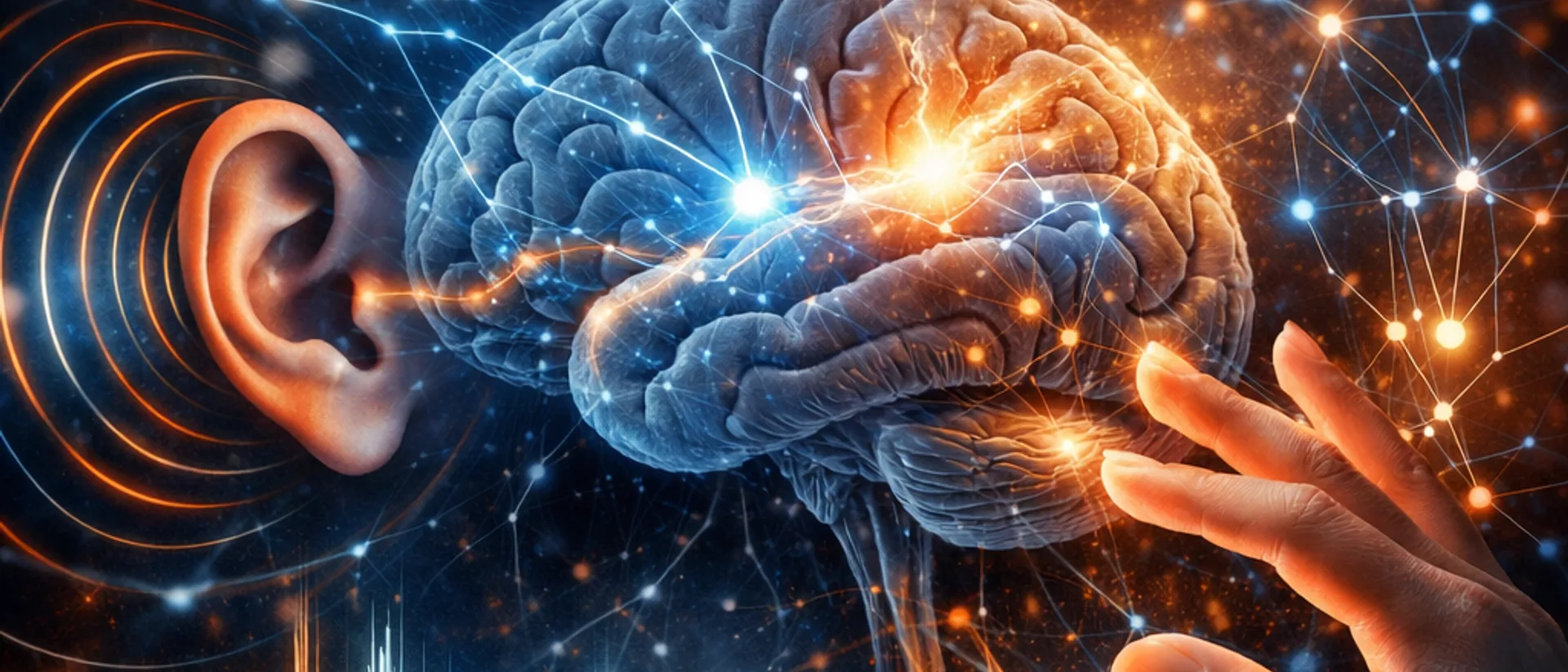
Using advanced brain scans like fMRI, researchers watched this transformation in real time. "We saw the 'visual' cortex lighting up when blind subjects listened to music or felt Braille," one scientist reported. The brain wasn't just making do; it was recruiting its most sophisticated real estate for a critical new mission.
Unlocking Superhuman Senses
This rewiring grants abilities that seem almost fictional. Blind individuals can develop echolocation skills, using subtle sound echoes to perceive the shape, distance, and texture of objects. Some can click their tongues and navigate complex environments effortlessly, their reborn visual cortex painting a detailed soundscape map.
Their sense of touch becomes extraordinarily refined. The brain area once dedicated to recognizing faces might now specialize in deciphering the microscopic bumps of Braille at speeds that leave sighted readers in the dust. This precision isn't a myth; it's a measurable, enhanced sensory processing power born from necessity.
A Testament to Human Resilience
The story of this rewiring is fundamentally one of hope and latent capacity. It proves that our biological hardware isn't fixed at birth. "The brain demonstrates a lifelong capacity for reorganization that we are only beginning to understand," notes a leading neurologist. This challenges the old idea that lost functions are gone forever.
This knowledge directly fuels modern rehabilitation. Therapies now actively train the brain to harness this plasticity, using sensory substitution devices that convert camera images into sounds or patterns of touch on the skin. The brain eagerly learns this new language, integrating it into the rewired cortex.
The blind brain's transformation is more than a scientific curiosity—it's a powerful metaphor for human potential. It shows that within our very wiring lies a profound resilience, an ability to find new paths when old ones close. This isn't about overcoming a deficit, but about revealing a latent superpower that redefines the limits of perception, reminding us that the human spirit, mirrored in our neurology, is fundamentally unstoppable.
Frequently Asked Questions
How quickly does the brain rewire after blindness?
Can this happen if someone becomes blind later in life?
Does this mean blind people have 'better' hearing or touch?
What happens to the rewired brain if sight is restored?
Verified Fact
This fact has been reviewed and verified against original sources.
Source: View sourceShow verification details
Extensively documented in neuroscience literature via fMRI and other neuroimaging studies, confirming functional reorganization of the occipital (visual) cortex in blind individuals.
Related Topics
More from Body & Health
View all Body & Health →