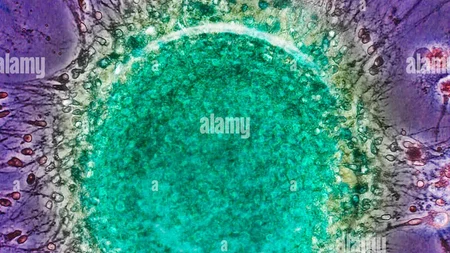
Your body replaces about 3.8 million cells every second, totaling roughly 330 billion cells per day.
Your Body Replaces 3.8 Million Cells Every Second
Right now, as you read this sentence, your body just manufactured roughly 20 million new cells. By the time you finish this article, that number will be in the hundreds of millions. Your body is a cellular factory that never sleeps, replacing about 3.8 million cells every second.
That staggering pace adds up to approximately 330 billion cells replaced each day—equivalent to about 1% of all the cells in your body. To put that in perspective, in just 80 to 100 days, your body will have replaced enough cells to equal an entirely new you.
Blood Cells Dominate the Assembly Line
Not all cells are created equal when it comes to replacement rates. Blood cells account for roughly 86% of your daily cellular turnover, with red blood cells and neutrophils (a type of white blood cell) leading the charge. Red blood cells, which carry oxygen throughout your body, are the most abundant cell type you have—and they're being replaced constantly.
Each red blood cell lives for about 120 days before it's retired and recycled. Your bone marrow cranks out about 2 million new red blood cells every second just to keep up with demand. Think of it as a massive cellular relay race where the baton is never dropped.
Your Gut's Rapid Renovation
Coming in second place: the cells lining your gastrointestinal tract, which make up about 12% of daily cell turnover. These epithelial cells have one of the shortest lifespans in your body, lasting just 2-4 days before they're shed and replaced.
This rapid turnover makes sense—your gut lining faces constant chemical assault from digestive acids and enzymes. By replacing these cells so frequently, your body maintains a fresh protective barrier. While gut cells represent a smaller percentage by number, they contribute about 40% of cell turnover by mass because individual gut cells are much larger than blood cells.
The Rest of the Crew
The remaining cellular turnover includes:
- Skin cells (1.1%) – Your outer layer completely renews every 2-4 weeks
- Endothelial cells (0.1%) – Lining your blood vessels
- Lung cells (0.1%) – Protecting your airways
Some cells, like neurons in your brain and cardiac muscle cells in your heart, rarely or never get replaced. You're essentially stuck with most of your brain cells for life—though that doesn't mean your brain can't change and adapt through other mechanisms.
This cellular replacement process represents about 80 grams of mass turnover per day—roughly equivalent to three slices of bread. It's a hidden biological marvel happening beneath your skin every moment, a constant cycle of death and renewal that keeps you alive and functioning. Your body today is quite literally not the same body you had three months ago.
Frequently Asked Questions
How many cells does the human body replace per day?
What type of cells are replaced most frequently?
How long do gut lining cells last?
Do all cells in the body get replaced?
How fast does the body make new cells?
Verified Fact
This fact has been reviewed and verified against original sources.
Show verification details
Original claim of 1 billion cells per hour was too low. Corrected to 3.8 million cells per second (approximately 330 billion per day) based on 2021 Nature Medicine research.