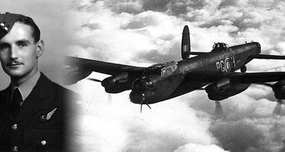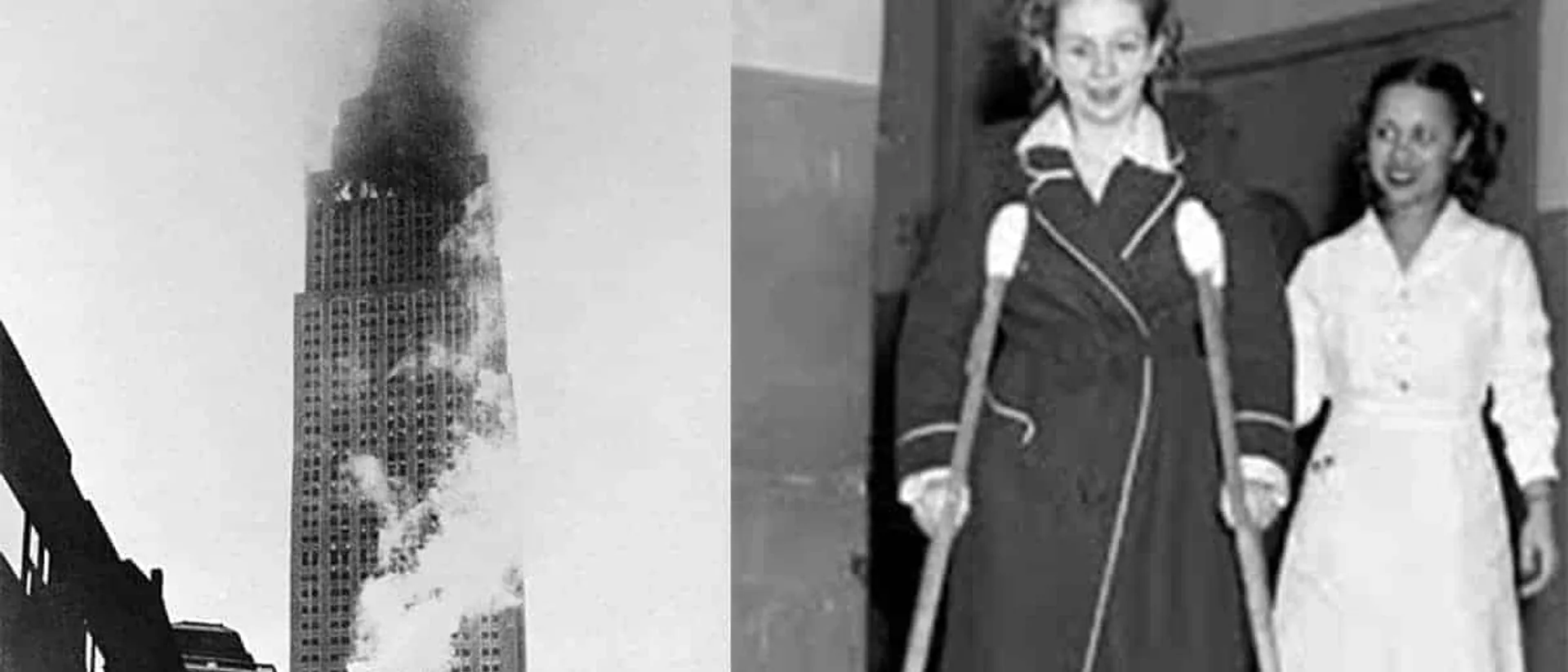
A B-25 bomber slammed into the Empire State Building in heavy fog. Elevator operator Betty Lou Oliver was burned on the 80th floor. Rescuers placed her in an elevator to get her down - but the crash had severed the cables. She plummeted 75 stories to the basement. She survived. She still holds the Guinness World Record 80 years later.
Betty Lou Oliver Survived a 75-Story Elevator Plunge
On July 28, 1945, a U.S. Army B-25 Mitchell bomber lost its way in thick fog over Manhattan and slammed into the north side of the Empire State Building between the 78th and 80th floors. The impact tore a hole in the building's facade and sent burning aviation fuel cascading through multiple floors.
Betty Lou Oliver was working as an elevator operator on the 80th floor when the fuel reached her. She suffered severe burns across her body. First responders rushed to help, placing her in a nearby elevator car to transport her down to the lobby for urgent medical treatment.
But the collision had already severed the elevator cables. The car plunged 75 stories - more than 1,000 feet - all the way down to the basement level. Remarkably, the fall did not end in tragedy. The compressed air trapped beneath the plummeting car acted as a natural cushion, gradually slowing the descent. Coiled cable that had piled up at the bottom of the shaft also helped absorb the impact.
Oliver was pulled from the wreckage alive, though she had sustained a broken pelvis, back, and neck. She eventually recovered and returned to work at the very same building. To this day, she holds the Guinness World Record for the longest survived elevator fall.
The incident took the lives of all three crew members aboard the bomber and eleven people inside the building. Despite the severity of the impact, the Empire State Building's steel-frame construction held firm, and the building was fully repaired and reopened within months.
The 1945 B-25 Crash
The pilot, Lieutenant Colonel William Franklin Smith Jr., was flying from Massachusetts to Newark Airport on a routine transfer mission. Visibility was near zero as thick fog blanketed the city. Air traffic controllers at LaGuardia had warned him not to attempt the flight, but Smith pressed on.
At approximately 9:40 a.m., the 10-ton bomber - traveling at roughly 200 miles per hour - struck the building. One of the plane's engines shot completely through the structure and landed on the roof of a neighboring building. The other engine plunged down an elevator shaft, severing the cables that would soon determine Betty Lou Oliver's fate.
How Did Betty Lou Oliver Survive?
Physicists and engineers have studied Oliver's survival for decades. The key factors were the cushion of compressed air beneath the falling car and approximately 1,000 feet of severed cable that had coiled at the bottom of the shaft. Together, these created enough resistance to decelerate the car before it hit the basement floor. It was not a soft landing - Oliver's injuries were devastating - but it was survivable.
Enjoyed this? Get a new fact every morning.
A fascinating fact in your inbox every morning. Free. Unsubscribe anytime.
Frequently Asked Questions
How did Betty Lou Oliver survive a 75-story elevator fall?
When did the B-25 bomber hit the Empire State Building?
Does Betty Lou Oliver still hold the Guinness World Record?
How many people lost their lives in the 1945 Empire State Building crash?
Verified Fact
Verified via Wikipedia and Guinness World Records
Source: WikipediaShow verification details
B-25 crash on July 28, 1945. Betty Lou Oliver fell 75 stories (1,000+ feet). Survived with broken pelvis, back, and neck. Guinness record confirmed.
Related Topics
More from History & Culture
View all History & Culture →